Alpine, TX Hail Storm – March 2025
March 27, 2025 hail storm near Alpine, TX. Radar-confirmed hail track and contractor lead lists available.
Max Hail
1.25"1" est.
confirmed
Zones
1
NWS alerts
Radar
4
dual-pol hits
Spotter
1
field reports
NWS WARNING AREA · Alpine Metro · Mar 27, 2025
Intelligence Platform
StormSnipe Pro
$49/ mo
Cancel anytime · No contracts
›All 50 states
›No zone limits
›No per-event fees
Subscribe to Pro
Pro renews monthly until canceled · Cancel anytime in the billing portal
What's included
Instant delivery
Every storm published within hours of NOAA confirmation.
Interactive Strike Map
Full radar-confirmed hail track on an interactive map.
Address CSV export
Every affected residential address, export-ready.
Smart alerts
Notified when a storm hits your area. Set zones once.
Nationwide coverage
All 50 states. No zone restrictions. No geographic caps.
Live pipeline
NOAA NEXRAD processed and delivered 24/7.
Address data notice
Pro coverage in California, Vermont, and Oregon includes the confirmed hail track and Strike Map only — no address lists. State data-privacy law treats compiled address lists differently in those three states, so we exclude their addresses from extraction and delivery.
NWS WARNING AREA
NWS MAF
Alpine, TX
Dual-Pol Radar
235 addresses in warning area
Alert issued Thu, Mar 27 · 8:48 PM UTC
1.25"
confirmed
1"
est. (NWS)
What Happened
A severe hail storm moved through the Alpine, TX area on March 27, 2025, producing 1-inch hail in late afternoon. The storm was concluded, and the main report came from field observation south of town along State Highway 118.
The National Weather Service issued a severe thunderstorm alert at 3:48 PM CDT for 1-inch hail. Radar and spotter verification were both attached to the warning. A local report followed at 3:52 PM CDT, when a caller described quarter-size hail about 8 miles south of Alpine. The time was estimated from radar, but the location lines up with the broader storm path south of the city.
That report is the key ground-truth point for this event. It places hail on the ground south of Alpine during the same short window flagged by the warning area, with observed stones matching the 1-inch threshold used in the alert.
The timing was tight. The warning came first, then the local report minutes later. That sequence fits a brief afternoon hail core crossing the area near State Highway 118 rather than a long-lived hail corridor.
Damage Assessment
The field reports point to localized surface impact south of Alpine rather than a widespread damage picture. The only spotter-derived observation in the record came from 8 miles south of town, where quarter-size hail was reported along State Highway 118. No separate damage narrative was attached to the report, and no broader cluster of ground reports appears in the event data.
For a 1-inch hail storm, the most likely effects are concentrated on exposed vehicles, roofs, siding, and windows along the storm path. In this case, the available reports keep the impact area narrow and centered outside the city core. Contractors should read that as a south-side response pattern, not a citywide event.
The radar-and-spotter verified alert gives this event a higher-confidence footprint than a warning based on radar alone. The ground report supports the presence of hail at the surface, and the reported location places that hail along the corridor south of Alpine rather than over a wide metro footprint.
No additional reports in the event record suggest a larger hail size or a separate damage concentration. The documented impact stays tied to one report point and one short time window.
What Contractors Should Know
Work the south side first. The confirmed report sits 8 miles south of Alpine along State Highway 118, so the first inspection sweep should cover structures and vehicles in that corridor before moving back toward town. Keep the route focused on the warning area tied to the afternoon storm, not the wider county.
Check metal roofs, skylights, soft metals, vents, and parked vehicles in exposed pull-offs and rural properties near the highway. One-inch hail can leave visible cosmetic loss without obvious interior leakage on day one. Document slopes, roof ages, and impact marks with location notes. In a small event like this, the address-level detail matters more than broad neighborhood assumptions.
Storm Details
- Start Date
- Thursday, March 27, 2025
- Last Activity
- Thursday, March 27, 2025
- Location
- Alpine, TX
- Warning Areas
- 1
- Dual-Pol Radar
- 4
- Spotter Reports
- 1
Preview Strike Map
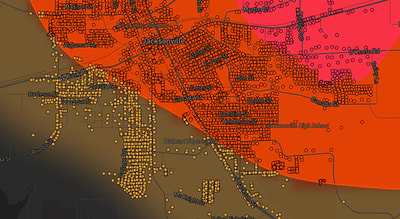
See exactly what you get.
Explore the full Springdale, AR Strike Map free – hail track, address overlay, and CSV download. No account required.
Try the Free Demo →