Des Moines, IA Hail Storm – March 2025
March 30, 2025 hail storm near Des Moines, IA. Radar-confirmed hail track and contractor lead lists available.
Max Hail
2"1" est.
confirmed
Zones
2
NWS alerts
Radar
39
dual-pol hits
Spotter
1
field reports
Dual-Pol Radar
Spotter Report
NWS Warning
NWS WARNING AREA · Des Moines Metro · Mar 30, 2025 · Click a zone to highlight
PURCHASE THIS STORM
Full storm data delivered to all buyers. No slot limit.
By purchasing, you agree to our Terms of Service and acknowledge the Data Accuracy Disclaimer. Address lists are derived from NOAA radar and federal databases; inclusion does not guarantee property damage.
Pro gets 1-hour priority access
From $49/mo · Auto-delivered leads
NWS WARNING AREAS · 2
This storm generated 2 NWS alert zones. One purchase covers the complete storm track and all addresses across every zone.
ZONE 1NWS DMX
Des Moines, IA
Dual-Pol Radar
34,106 addresses in warning area
Alert issued Sun, Mar 30 · 4:50 AM UTC
2"
confirmed
1"
est. (NWS)
ZONE 2NWS DMX
Newton, IA
Dual-Pol Radar
1,669 addresses in warning area
Alert issued Sun, Mar 30 · 5:30 AM UTC
2"
confirmed
1"
est. (NWS)
Des Moines, IA saw a concluded hail event on March 30, 2025 with a maximum verified hail size of 1 inch. Two NWS alerts covered the metro storm sequence during the late night and early morning hours.
What Happened
The first alert came at 11:50 PM CDT on March 30 with 1 inch hail indicated by radar and spotter verification confidence. A second alert followed at 12:30 AM CDT on March 31, also for 1 inch hail with radar and spotter verified confidence.
The storm moved through the Des Moines metro in two closely timed alert periods. Both alerts carried the same hail size, which kept the event in the 1 inch range across the reported storm track. The storm has concluded.
Radar and spotter inputs aligned on both alerts. That combination supports a consistent hail signal through the warning period and reduces uncertainty around the reported size. The event remained a hail-focused severe weather report rather than a wind-dominant or flooding-driven system.
Damage Assessment
One-inch hail can affect roofs, vents, soft metals, window screens, gutters, and exterior trim. On metal surfaces, dents are common. On composition shingles, impact marks can appear without obvious leaks at first. On vehicles, the damage pattern often shows on horizontal panels, mirrors, and glass edges.
For contractors, the key issue is spread. A metro-wide hail report can produce scattered claims across neighborhoods while leaving nearby blocks untouched. Roof slopes, age of materials, and exposure all shape the visible damage pattern. Siding and accessory structures can show lighter impact than roof planes even when the same storm passed overhead.
Field checks should focus on ridge caps, pipe boots, flashing, skylight frames, HVAC fins, window screens, and south- and west-facing elevations where wind-driven hail can concentrate impact marks. Photograph impact surfaces before cleanup begins. Note roof pitch, material type, and any soft-metal strikes that support a repair scope.
Inspection teams should expect mixed outcomes. Some properties will show clear hail bruising or granule loss. Others will show only light cosmetic dents or no measurable exterior loss. The absence of immediate leaks does not remove the need for a close roof and facade review after a 1 inch hail report.
What Contractors Should Know
The Des Moines event fits a late-night claim pattern. Calls may come in after the first round of hail or after daylight reveals roof and siding marks that were not visible in the dark. Crews should plan for roof access, ladder work, and exterior documentation early in the day once conditions allow.
For estimating, separate direct hail hits from pre-existing wear. Use close-up photos of bruised shingles, fractured tabs, dented flashing, and cracked vent caps. On newer roofs, impact marks may be subtle and require a careful inspection of collateral components. On older roofs, hail damage often shows faster on exposed metals and fragile accessories than on the field shingles themselves.
Storm Details
- Start Date
- Sunday, March 30, 2025
- Last Activity
- Sunday, March 30, 2025
- Location
- Des Moines, IA
- Warning Areas
- 2
- Dual-Pol Radar
- 39
- Spotter Reports
- 1
StormSnipe Pro
BEST VALUENever miss a storm in your market.
Auto-delivered leads with 1-hour priority access before shared buyers. Set it and close more jobs.
$49
/mo
1 Zone
POPULAR
$99
/mo
5 Zones
$199
/mo
Unlimited
- 1-hour priority access before public
- Auto-delivered every storm in your market
- Interactive Strike Map + hail track
Cancel anytime · No commitment
Try Before You Buy
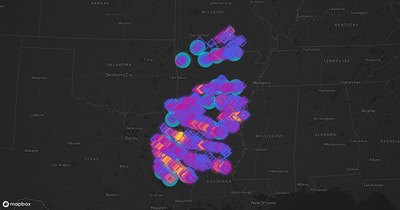
See exactly what you get.
Explore the full Springdale, AR Strike Map free – hail track, address overlay, and CSV download. No account required.
Try the Free Demo →