Trent, TX Hail Storm – April 2025
April 4, 2025 hail storm near Trent, TX. Radar-confirmed hail track and contractor lead lists available.
Max Hail
2.75"1.5" est.
confirmed
Zones
12
NWS alerts
Radar
659
dual-pol hits
Spotter
–
field reports
NWS WARNING AREA · Trent Metro · Apr 4, 2025
Intelligence Platform
StormSnipe Pro
$49/ mo
Cancel anytime · No contracts
›All 50 states
›No zone limits
›No per-event fees
Subscribe to Pro
Pro renews monthly until canceled · Cancel anytime in the billing portal
What's included
Instant delivery
Every storm published within hours of NOAA confirmation.
Interactive Strike Map
Full radar-confirmed hail track on an interactive map.
Address CSV export
Every affected residential address, export-ready.
Smart alerts
Notified when a storm hits your area. Set zones once.
Nationwide coverage
All 50 states. No zone restrictions. No geographic caps.
Live pipeline
NOAA NEXRAD processed and delivered 24/7.
Address data notice
Pro coverage in California, Vermont, and Oregon includes the confirmed hail track and Strike Map only — no address lists. State data-privacy law treats compiled address lists differently in those three states, so we exclude their addresses from extraction and delivery.
NWS WARNING AREAS · 12
This storm generated 12 NWS alert zones. Pro access covers the complete storm track and all addresses across every zone.
ZONE 1NWS SJT
Trent, TX
Dual-Pol Radar
1,841 addresses in warning area
Alert issued Fri, Apr 4 · 5:18 AM UTC
2.5"
confirmed
1"
est. (NWS)
ZONE 2NWS EWX
Comstock, TX
Dual-Pol Radar
122 addresses in warning area
Alert issued Fri, Apr 4 · 5:37 AM UTC
2"
confirmed
1.25"
est. (NWS)
ZONE 3NWS SJT
Sterling City, TX
Dual-Pol Radar
997 addresses in warning area
Alert issued Fri, Apr 4 · 5:57 AM UTC
2.5"
confirmed
1"
est. (NWS)
ZONE 4NWS SJT
Barnhart, TX
Dual-Pol Radar
227 addresses in warning area
Alert issued Fri, Apr 4 · 6:18 AM UTC
2.25"
confirmed
1"
est. (NWS)
ZONE 5NWS SJT
Sonora, TX
Dual-Pol Radar
2,162 addresses in warning area
Alert issued Fri, Apr 4 · 6:29 AM UTC
2.75"
confirmed
1.25"
est. (NWS)
ZONE 6NWS SJT
Throckmorton, TX
Dual-Pol Radar
647 addresses in warning area
Alert issued Fri, Apr 4 · 6:38 AM UTC
2.25"
confirmed
1"
est. (NWS)
ZONE 7NWS SJT
Sweetwater, TX
Dual-Pol Radar
7,300 addresses in warning area
Alert issued Fri, Apr 4 · 6:57 AM UTC
2"
confirmed
1"
est. (NWS)
ZONE 8NWS SJT
Throckmorton, TX
Dual-Pol Radar
Alert issued Fri, Apr 4 · 7:32 AM UTC
2.25"
confirmed
1"
est. (NWS)
ZONE 9NWS FWD
Olney, TX
Dual-Pol Radar
81 addresses in warning area
Alert issued Fri, Apr 4 · 7:40 AM UTC
2"
confirmed
1.25"
est. (NWS)
ZONE 10NWS OUN
Archer City, TX
Dual-Pol Radar
1,805 addresses in warning area
Alert issued Fri, Apr 4 · 7:42 AM UTC
2.5"
confirmed
1.25"
est. (NWS)
ZONE 11NWS OUN
Henrietta, TX
Dual-Pol Radar
7,830 addresses in warning area
Alert issued Fri, Apr 4 · 8:12 AM UTC
2.75"
confirmed
1.5"
est. (NWS)
ZONE 12NWS OUN
Holliday, TX
Dual-Pol Radar
Alert issued Fri, Apr 4 · 8:15 AM UTC
2.5"
confirmed
1.5"
est. (NWS)
Trent, TX saw a concluded hail event on April 4, 2025, with a peak confirmed hail size of 1.25 inches. The storm produced seven hail alerts between 12:18 AM CDT and 2:32 AM CDT.
What Happened
The storm reached Trent during the overnight hours on April 4. The first hail alert came at 12:18 AM CDT with 1-inch hail detected by dual-polarization radar. Additional 1-inch alerts followed at 12:57 AM CDT and 1:18 AM CDT.
Radar then picked up a larger hail signal at 1:29 AM CDT, when the alert size increased to 1.25 inches. Three more 1-inch alerts followed at 1:38 AM CDT, 1:57 AM CDT, and 2:32 AM CDT. All seven alerts were tied to dual-polarization radar confidence.
The sequence shows a prolonged hail-producing storm with repeated hail signatures through the early morning hours. The event has concluded.
Damage Assessment
Hail in the 1-inch to 1.25-inch range can affect roofs, soft metals, vents, gutters, window screens, and exterior trim. Asphalt shingles can show bruising or surface granule loss. Metal roofing and flashing can show dents. Vehicles parked outside can carry visible impact marks.
At 1.25 inches, hail can leave more noticeable damage than a marginal severe hail event, especially on older roofs or surfaces already exposed to wear. The repeated alerts suggest more than a brief pulse. Properties along the storm path should be checked for localized roof, siding, and vehicle impacts.
Contractors working in Trent should focus early inspections on roof planes, ridge caps, south- and west-facing elevations, and exposed accessories. Photographs from the ground can identify impact points before ladder work begins. A brief exterior review can help sort likely hail claims from cosmetic wear.
What Contractors Should Know
This event gives contractors a narrow hail window with a clear peak of 1.25 inches and multiple 1-inch alerts around it. That kind of sequence can produce mixed field conditions. Some structures may show only light surface damage. Others may have concentrated impacts on roofing accessories and soft metals.
Inspection teams should keep reports tied to the overnight timing. Start with any property in the warning area that sits under older shingles, lightweight metal components, or unprotected vehicles. Look for bruised shingles, fractured tabs, dented vents, gutter impacts, and screen damage. Check attached patios, awnings, and metal trim before moving to interior leak complaints.
For multi-zone work, organize crews by roof age, material type, and access conditions. Use a consistent photo set for each property. Note whether hail marks are isolated or widespread across the roof surface. That helps separate a few stray impacts from a broader hail swath.
For precise hail track data, review the Strike Map for Trent, TX.
Storm Details
- Start Date
- Friday, April 4, 2025
- Last Activity
- Friday, April 4, 2025
- Location
- Trent, TX
- Warning Areas
- 12
- Dual-Pol Radar
- 659
- Spotter Reports
- --
Preview Strike Map
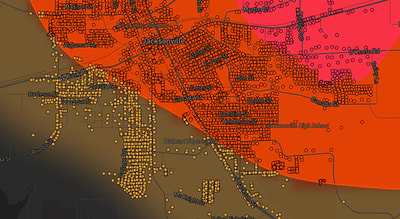
See exactly what you get.
Explore the full Springdale, AR Strike Map free – hail track, address overlay, and CSV download. No account required.
Try the Free Demo →