Laramie, WY Hail Storm – May 2025
May 24, 2025 hail storm near Laramie, WY. Radar-confirmed hail track and contractor lead lists available.
Max Hail
1.5"1" est.
confirmed
Zones
3
NWS alerts
Radar
30
dual-pol hits
Spotter
–
field reports
NWS WARNING AREA · Laramie Metro · May 24, 2025
Intelligence Platform
StormSnipe Pro
$49/ mo
Cancel anytime · No contracts
›All 50 states
›No zone limits
›No per-event fees
Subscribe to Pro
Pro renews monthly until canceled · Cancel anytime in the billing portal
What's included
Instant delivery
Every storm published within hours of NOAA confirmation.
Interactive Strike Map
Full radar-confirmed hail track on an interactive map.
Address CSV export
Every affected residential address, export-ready.
Smart alerts
Notified when a storm hits your area. Set zones once.
Nationwide coverage
All 50 states. No zone restrictions. No geographic caps.
Live pipeline
NOAA NEXRAD processed and delivered 24/7.
Address data notice
Pro coverage in California, Vermont, and Oregon includes the confirmed hail track and Strike Map only — no address lists. State data-privacy law treats compiled address lists differently in those three states, so we exclude their addresses from extraction and delivery.
NWS WARNING AREAS · 3
This storm generated 3 NWS alert zones. Pro access covers the complete storm track and all addresses across every zone.
ZONE 1NWS CYS
Laramie, WY
Dual-Pol Radar
Alert issued Sat, May 24 · 6:35 PM UTC
1.5"
confirmed
1"
est. (NWS)
ZONE 2NWS CYS
Laramie, WY
Dual-Pol Radar
38 addresses in warning area
Alert issued Sat, May 24 · 7:12 PM UTC
1.5"
confirmed
1"
est. (NWS)
ZONE 3NWS CYS
Laramie, WY
NWS Warning
Alert issued Sat, May 24 · 7:53 PM UTC
1"
est. (NWS)
Laramie, WY saw a concluded hail event on 2025-05-24 with a peak confirmed hail size of 1 inch. The storm produced three NWS alert areas across the metro during the afternoon.
What Happened
The first alert area was issued at 12:35 PM MDT, with dual-polarization radar confidence for 1-inch hail. A second alert area followed at 1:12 PM MDT with the same 1-inch hail signal and radar support. The final alert area came at 1:53 PM MDT, again carrying a 1-inch hail threat, this time with NWS warning-only confidence.
All three alerts pointed to a persistent hail threat over the Laramie metro during the early to mid-afternoon window. The sequence shows repeated hail potential in the same storm family as it moved through the area. The event has concluded.
Damage Assessment
A 1-inch hail report sits at the threshold where exterior damage becomes more likely on vulnerable surfaces. Soft metals, older asphalt shingles, vents, skylights, and thin gauges on vehicle panels are the first areas to inspect.
In mixed residential and commercial zones, field crews should expect uneven impact patterns. One block may show clean shingle bruising and gutter dents while a nearby roof shows little visible loss. Siding, window screens, trim, and HVAC fins can all show localized impact marks even when the roof cover remains intact.
For contractors, the priority is speed and consistency in the canvass zone. Start with roof slopes that face the storm path, then move to downspouts, flashing, ridge caps, and accessory structures. Check soft metal hit points before you climb. That includes drip edge, pipe collars, AC coils, and exposed fasteners on sheds, garages, and metal outbuildings.
Document the condition of each surface before any cleanup or temporary repair. Use close photos of hail marks, granule loss, metal dents, and fractured seals. Separate direct impact from pre-existing wear. A 1-inch event can produce claims that look modest from the street but become more specific once the roof is viewed at slope level.
What Contractors Should Know
Laramie’s afternoon storm track calls for a systematic drive of the metro rather than a broad sweep from one neighborhood to the next. Focus on the addresses most exposed to the warning area first, then work outward. Crews should expect a narrow hail swath in some sections and spotty exterior indicators in others.
Interior damage is less common than exterior loss in a 1-inch hail event, but water intrusion can follow missed impact points. Confirm attic conditions, penetrations, and seal failure where the roof cover already shows wear. Pay close attention to metal roofs, low-slope transitions, and older shingle fields with prior repairs.
Set the inspection pace by surface type, not by block count. Residential roofs, apartment complexes, school facilities, and light industrial structures should all be logged separately so minor damage does not get lost in the larger route. Keep notes on hail size, time window, and visible strike concentration. The Strike Map provides precise hail track data for the event.
Storm Details
- Start Date
- Saturday, May 24, 2025
- Last Activity
- Saturday, May 24, 2025
- Location
- Laramie, WY
- Warning Areas
- 3
- Dual-Pol Radar
- 30
- Spotter Reports
- --
Preview Strike Map
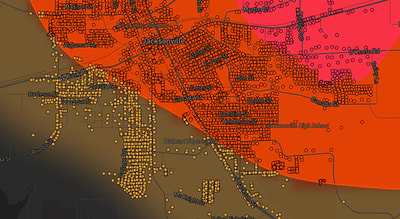
See exactly what you get.
Explore the full Springdale, AR Strike Map free – hail track, address overlay, and CSV download. No account required.
Try the Free Demo →