San Ygnacio, TX Hail Storm – May 2025
May 28, 2025 hail storm near San Ygnacio, TX. Radar-confirmed hail track and contractor lead lists available.
Max Hail
2"1" est.
confirmed
Zones
4
NWS alerts
Radar
81
dual-pol hits
Spotter
–
field reports
NWS WARNING AREA · San Ygnacio Metro · May 28, 2025
Intelligence Platform
StormSnipe Pro
$49/ mo
Cancel anytime · No contracts
›All 50 states
›No zone limits
›No per-event fees
Subscribe to Pro
Billed monthly · Cancel anytime
What's included
Instant delivery
Every storm published within hours of NOAA confirmation.
Interactive Strike Map
Full radar-confirmed hail track on an interactive map.
Address CSV export
Every affected residential address, export-ready.
Smart alerts
Notified when a storm hits your area. Set zones once.
Nationwide coverage
All 50 states. No zone restrictions. No geographic caps.
Live pipeline
NOAA NEXRAD processed and delivered 24/7.
NWS WARNING AREAS · 4
This storm generated 4 NWS alert zones. Pro access covers the complete storm track and all addresses across every zone.
ZONE 1NWS BRO
San Ygnacio, TX
Dual-Pol Radar
34 addresses in warning area
Alert issued Wed, May 28 · 8:38 AM UTC
1.75"
confirmed
1"
est. (NWS)
ZONE 2NWS BRO
Hebbronville, TX
Dual-Pol Radar
80 addresses in warning area
Alert issued Wed, May 28 · 9:31 AM UTC
2"
confirmed
1"
est. (NWS)
ZONE 3NWS BRO
Rio Grande City, TX
Dual-Pol Radar
104 addresses in warning area
Alert issued Wed, May 28 · 10:04 AM UTC
1.5"
confirmed
1"
est. (NWS)
ZONE 4NWS BRO
Edinburg, TX
Dual-Pol Radar
182 addresses in warning area
Alert issued Wed, May 28 · 11:28 AM UTC
1.5"
confirmed
1"
est. (NWS)
San Ygnacio, TX saw a concluded hail event on May 28, 2025 with peak hail confirmed at 1 inch. Four separate warning area alerts carried the same hail size through the morning.
What Happened
The storm produced 1-inch hail beginning at 3:38 AM CDT, with additional alerts at 4:31 AM CDT, 5:04 AM CDT, and 6:28 AM CDT. Each alert carried dual-polarization radar confidence and kept the hail threat at the 1-inch level through the early morning hours.
The alert sequence shows a repeated hail signal across multiple cycles rather than a single short-lived pulse. That pattern placed the storm in the warning area for several hours and kept the hail threat aligned with the same maximum size from the first alert to the last.
The event has concluded. No active warning remained tied to this hail sequence after the final morning alert.
Damage Assessment
One-inch hail can affect roofs, gutters, skylights, vents, window screens, and soft metals. It also leaves visible marks on vehicles and exterior trim when the hail falls with enough density to strike exposed surfaces repeatedly.
In a multi-alert event like this one, contractors should expect scattered impact patterns rather than uniform damage across every structure in the warning area. A roof on one block may show only bruising while another nearby address has broken shingles, dented flashing, or cracked accessories.
Field inspections should start with north- and west-facing roof slopes, ridge caps, and edge metal. Crews should also check AC condenser fins, patio covers, garage doors, and fence tops. Soft metal damage often appears first on drip edge, vents, and downspouts.
Photos from the ground matter. So do dated inspection notes tied to the morning timing. A site visited after sunrise may show dried impact marks on vehicles, screens, and roof surfaces that were not visible before daylight.
What Contractors Should Know
This storm produced a hail signal at 3:38 AM CDT and repeated it through 6:28 AM CDT. For intake, that gives contractors a narrow overnight-to-morning window for likely impact claims in San Ygnacio and nearby parts of the warning area. Prioritize calls that mention roof noise, dented vehicles, broken screens, or loose granules on pavement and downspout outlets.
Use a block-by-block approach. One-inch hail does not always create the same roof outcome across the whole path, especially in a storm with multiple radar-confirmed alerts. Check the roof perimeter first, then move to penetrations, soft metals, and exterior attachments. Keep notes on slope, material, and visible collateral damage. Claims teams usually need those details before a full ladder inspection.
When scheduling crews, separate tarping, repair triage, and full replacement estimates. Hail at this size can produce localized repair work without a full-system failure. Crews that document each elevation, accessory, and vehicle impact point will have cleaner files when adjusters ask for supporting photos.
Storm Details
- Start Date
- Wednesday, May 28, 2025
- Last Activity
- Wednesday, May 28, 2025
- Location
- San Ygnacio, TX
- Warning Areas
- 4
- Dual-Pol Radar
- 81
- Spotter Reports
- --
Preview Strike Map
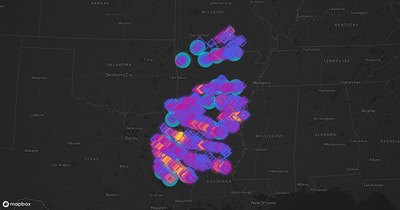
See exactly what you get.
Explore the full Springdale, AR Strike Map free – hail track, address overlay, and CSV download. No account required.
Try the Free Demo →