Colorado Springs, CO Hail Storm – May 2025
May 30, 2025 hail storm near Colorado Springs, CO. Radar-confirmed hail track and contractor lead lists available.
Max Hail
2"1.25" est.
confirmed
Zones
4
NWS alerts
Radar
188
dual-pol hits
Spotter
1
field reports
NWS WARNING AREA · Colorado Springs Metro · May 30, 2025
Intelligence Platform
StormSnipe Pro
$49/ mo
Cancel anytime · No contracts
›All 50 states
›No zone limits
›No per-event fees
Subscribe to Pro
Pro renews monthly until canceled · Cancel anytime in the billing portal
What's included
Instant delivery
Every storm published within hours of NOAA confirmation.
Interactive Strike Map
Full radar-confirmed hail track on an interactive map.
Address CSV export
Every affected residential address, export-ready.
Smart alerts
Notified when a storm hits your area. Set zones once.
Nationwide coverage
All 50 states. No zone restrictions. No geographic caps.
Live pipeline
NOAA NEXRAD processed and delivered 24/7.
Address data notice
Pro coverage in California, Vermont, and Oregon includes the confirmed hail track and Strike Map only — no address lists. State data-privacy law treats compiled address lists differently in those three states, so we exclude their addresses from extraction and delivery.
NWS WARNING AREAS · 4
This storm generated 4 NWS alert zones. Pro access covers the complete storm track and all addresses across every zone.
ZONE 1NWS PUB
Colorado Springs, CO
Dual-Pol Radar
783 addresses in warning area
Alert issued Fri, May 30 · 10:55 PM UTC
2"
confirmed
1"
est. (NWS)
ZONE 2NWS PUB
Divide, CO
Dual-Pol Radar
3,306 addresses in warning area
Alert issued Fri, May 30 · 11:20 PM UTC
1"
confirmed
1.25"
est. (NWS)
ZONE 3NWS BOU
Elizabeth, CO
Dual-Pol Radar
56,893 addresses in warning area
Alert issued Fri, May 30 · 11:42 PM UTC
1.5"
confirmed
1"
est. (NWS)
ZONE 4NWS PUB
Victor, CO
Dual-Pol Radar
18,382 addresses in warning area
Alert issued Fri, May 30 · 11:42 PM UTC
2"
confirmed
1"
est. (NWS)
Colorado Springs, CO saw a concluded hail storm on 2025-05-30 with verified hail up to 1.25 inches. The storm moved through the metro in late afternoon, with multiple warnings issued across the warning area.
What Happened
The first alert came at 4:55 PM MDT with 1 inch hail detected by dual-polarization radar. A second alert followed at 5:20 PM MDT with 1.25 inch hail detected on radar. Two more alerts were issued at 5:42 PM MDT, including one radar-plus-spotter verified report for 1 inch hail and one additional radar-derived alert at the same size.
The alert sequence shows a compact hail-producing storm with repeated large-hail signals over a short window. The highest confirmed hail size was 1.25 inches. The storm was concluded by the time this report was compiled.
Damage Assessment
Hail in the 1 to 1.25 inch range can impact roofing, gutters, skylights, siding, vents, and vehicle surfaces. The lower end of that range often leaves scattered marks on softer exterior materials. The upper end increases the chance of visible bruising on shingles, dents on metal trim, and impact to exposed accessories such as roof-mounted units, screens, and patio covers.
For Colorado Springs, the main concern is uneven hail coverage across the metro. One neighborhood may show only light exterior marks while another sees enough hail to trigger roof and vehicle inspections. Contractors should expect mixed loss profiles within the same warning area. Field checks need to include roof slopes, soft metals, window screens, and south- and west-facing exposures where storm-driven hail often leaves the clearest marks.
What Contractors Should Know
Start with rapid triage on roofs that received the strongest radar signals between 4:55 PM MDT and 5:42 PM MDT. Focus on composition shingles, low-slope systems, and roofs with older granule loss. Inspect ridge caps, pipe boots, flashing, and vents before moving to cosmetic items. Vehicle claims may be concentrated in open parking lots and properties with limited overhead cover.
Use the hail range to separate light-impact zones from areas that likely need full documentation. In storms like this, the difference between 1 inch and 1.25 inch hail can change the number of roofs worth climbing and the depth of the inspection list. Crews should also check for secondary issues tied to the same event, including loose trim, damaged screen enclosures, and punctures in softer exterior components.
For multi-zone work, prioritize addresses that line up with the strongest alert times and confirmed radar hits. Keep photos tied to roof plane, elevation, and street-facing damage patterns. The Strike Map shows precise hail track data for this event.
Storm Details
- Start Date
- Friday, May 30, 2025
- Last Activity
- Friday, May 30, 2025
- Location
- Colorado Springs, CO
- Warning Areas
- 4
- Dual-Pol Radar
- 188
- Spotter Reports
- 1
Preview Strike Map
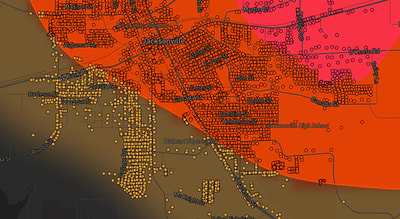
See exactly what you get.
Explore the full Springdale, AR Strike Map free – hail track, address overlay, and CSV download. No account required.
Try the Free Demo →