Woodland Park, CO Hail Storm – May 2025
May 31, 2025 hail storm near Woodland Park, CO. Radar-confirmed hail track and contractor lead lists available.
Max Hail
1.5"1" est.
confirmed
Zones
1
NWS alerts
Radar
20
dual-pol hits
Spotter
2
field reports
NWS WARNING AREA · Woodland Park Metro · May 31, 2025
Intelligence Platform
StormSnipe Pro
$49/ mo
Cancel anytime · No contracts
›All 50 states
›No zone limits
›No per-event fees
Subscribe to Pro
Pro renews monthly until canceled · Cancel anytime in the billing portal
What's included
Instant delivery
Every storm published within hours of NOAA confirmation.
Interactive Strike Map
Full radar-confirmed hail track on an interactive map.
Address CSV export
Every affected residential address, export-ready.
Smart alerts
Notified when a storm hits your area. Set zones once.
Nationwide coverage
All 50 states. No zone restrictions. No geographic caps.
Live pipeline
NOAA NEXRAD processed and delivered 24/7.
Address data notice
Pro coverage in California, Vermont, and Oregon includes the confirmed hail track and Strike Map only — no address lists. State data-privacy law treats compiled address lists differently in those three states, so we exclude their addresses from extraction and delivery.
NWS WARNING AREA
NWS PUB
Woodland Park, CO
Dual-Pol Radar
7,773 addresses in warning area
Alert issued Sat, May 31 · 11:13 PM UTC
1.5"
confirmed
1"
est. (NWS)
What Happened
A severe hail storm moved through Woodland Park, CO on May 31, 2025, with a peak confirmed hail size of 1 inch in the evening. The storm was tied to one NWS alert for the area at 5:13 PM MDT, when radar and spotter information matched on 1-inch hail.
A field report came in two minutes earlier from 4 WSW Divide. At 5:11 PM MDT, a spotter corrected a previous hail report to 0.75 inch. That report placed verified hail on the ground before the alert time, then the storm reached the Woodland Park area with a higher confirmed size shortly after.
Radar confidence was strongest where the alert and field report lined up. The event stayed focused on a single hail corridor rather than a broad hail episode. The available reports point to a short-lived severe pulse in the late afternoon and early evening.
Damage Assessment
The ground-truth report near Divide showed smaller hail first, then the storm intensified enough to reach 1-inch hail in the Woodland Park warning area. That sequence suggests a narrow but real surface impact, with hail size increasing over a short distance and brief time window.
No detailed damage notes were included in the available reports. The evidence centers on verified hail size, not tree loss, roof loss, or vehicle damage. For contractors, that means the first pass should focus on roof slopes, soft metals, and exposed vehicles along the verified hail path rather than assuming widespread loss across the full metro area.
The 0.75-inch spotter correction matters because it shows a measured field observation, not a generic hail estimate. The later 1-inch confirmation places the most serious impact in the same storm sequence, with the strongest hail near the Woodland Park side of the event.
In this kind of storm, the cleanest work comes from matching roof claims to the timing of the verified hail line. Look for fresh impact marks on shingles, gutters, downspouts, and roof vents. Check south- and west-facing exposures if the storm arrived from the usual mountain corridor setup. Keep the inspection tight around the verified window instead of spreading the canvass too far beyond the alert area.
What Contractors Should Know
Woodland Park sits in terrain that can break a hail path into short segments. A 1-inch report in town and a 0.75-inch report near Divide point to a compact event with a limited but usable lead zone. Crews should work the corridor first, then expand only if roof conditions or additional reports support it.
The best targets are homes and light commercial roofs with direct exposure inside the verified storm track. Focus on properties with older asphalt shingles, open ridge lines, metal trim, and vehicle lots. In mountain-town hail, visible impact is not always uniform from one block to the next. A small shift in the hail core can separate a claim-worthy roof from a clean one.
Storm Details
- Start Date
- Saturday, May 31, 2025
- Last Activity
- Saturday, May 31, 2025
- Location
- Woodland Park, CO
- Warning Areas
- 1
- Dual-Pol Radar
- 20
- Spotter Reports
- 2
Preview Strike Map
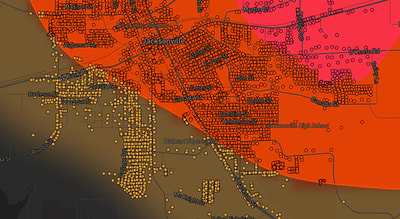
See exactly what you get.
Explore the full Springdale, AR Strike Map free – hail track, address overlay, and CSV download. No account required.
Try the Free Demo →