Cimarron, NM Hail Storm – June 2025
June 1, 2025 hail storm near Cimarron, NM. Radar-confirmed hail track and contractor lead lists available.
Max Hail
2.5"1.5" est.
confirmed
Zones
4
NWS alerts
Radar
79
dual-pol hits
Spotter
–
field reports
NWS WARNING AREA · Cimarron Metro · Jun 1, 2025
Intelligence Platform
StormSnipe Pro
$49/ mo
Cancel anytime · No contracts
›All 50 states
›No zone limits
›No per-event fees
Subscribe to Pro
Pro renews monthly until canceled · Cancel anytime in the billing portal
What's included
Instant delivery
Every storm published within hours of NOAA confirmation.
Interactive Strike Map
Full radar-confirmed hail track on an interactive map.
Address CSV export
Every affected residential address, export-ready.
Smart alerts
Notified when a storm hits your area. Set zones once.
Nationwide coverage
All 50 states. No zone restrictions. No geographic caps.
Live pipeline
NOAA NEXRAD processed and delivered 24/7.
Address data notice
Pro coverage in California, Vermont, and Oregon includes the confirmed hail track and Strike Map only — no address lists. State data-privacy law treats compiled address lists differently in those three states, so we exclude their addresses from extraction and delivery.
NWS WARNING AREAS · 4
This storm generated 4 NWS alert zones. Pro access covers the complete storm track and all addresses across every zone.
ZONE 1NWS ABQ
Cimarron, NM
Dual-Pol Radar
202 addresses in warning area
Alert issued Sun, Jun 1 · 8:18 PM UTC
2.5"
confirmed
1"
est. (NWS)
ZONE 2NWS ABQ
Raton, NM
Dual-Pol Radar
6 addresses in warning area
Alert issued Sun, Jun 1 · 9:43 PM UTC
2.5"
confirmed
1"
est. (NWS)
ZONE 3NWS ABQ
Conchas Dam, NM
Dual-Pol Radar
28 addresses in warning area
Alert issued Sun, Jun 1 · 11:01 PM UTC
2"
confirmed
1.25"
est. (NWS)
ZONE 4NWS AMA
Adrian, TX
Dual-Pol Radar
Alert issued Mon, Jun 2 · 4:05 AM UTC
2"
confirmed
1.5"
est. (NWS)
Cimarron, NM saw a concluded hail storm on June 1, 2025, with a peak confirmed hail size of 1.25 inches. Three NWS alert areas tracked the event through the afternoon into early evening.
What Happened
The storm developed over Cimarron on June 1 and produced multiple hail alerts across the day. The first came at 2:18 PM MDT with 1-inch hail confidence from dual-polarization radar. A second alert followed at 3:43 PM MDT with the same 1-inch hail estimate. The final alert arrived at 5:01 PM MDT and raised the hail estimate to 1.25 inches.
The warning sequence shows a storm that remained capable of producing severe hail for several hours. Radar-derived confidence held through each alert, with the final estimate reaching the largest hail size in the event. The storm is concluded.
Damage Assessment
Hail in the 1-inch to 1.25-inch range can affect roofs, skylights, gutters, soft metals, vents, and exterior trim. In Cimarron, that size range is large enough to leave visible impact points on asphalt shingles, dent metal components, and mark vehicle panels, especially where roofs were already weathered.
Property impact tends to vary block by block. A short hail burst can leave light cosmetic marks on some structures and more concentrated damage on others. Slope, roof age, shingle condition, and direct exposure to the hail path all influence what a field inspection will show.
For homes and commercial roofs, the main inspection points are shingles, ridge caps, flashing, pipe boots, HVAC fins, gutters, downspouts, and window screens. Crews should also check siding, fence tops, porch covers, and any exposed membrane seams on flat roofs. Even when surface damage is limited, repeated hail impacts can still leave a claim trail on the most exposed elevations.
Vehicle lots and outdoor equipment should be inspected for paint chips, cracked lenses, and hail dents on hoods, roofs, and mirrors. Agricultural buildings, barns, and storage structures can show impact damage on thin metal panels and fasteners where hail struck at a direct angle.
What Contractors Should Know
This event warrants a standard post-hail roof and exterior canvass in Cimarron. Start with the areas that took the most direct exposure during the afternoon and early evening window. Focus on south- and west-facing slopes first if the storm track crossed the core of town from those directions. Document impact marks, bruising, granule loss, and any collateral metal damage with location-specific notes.
Use the hail range to sort leads by likely repair type. One-inch hail often brings scattered shingle impact and accessory damage. At 1.25 inches, the inspection priority should move to full roof-surface checks, soft metal evaluation, and a careful review of any newer roof systems that may show less obvious loss. Exterior trim, gutters, screens, AC coils, and skylight assemblies should be included in every walk.
Storm Details
- Start Date
- Sunday, June 1, 2025
- Last Activity
- Sunday, June 1, 2025
- Location
- Cimarron, NM
- Warning Areas
- 4
- Dual-Pol Radar
- 79
- Spotter Reports
- --
Preview Strike Map
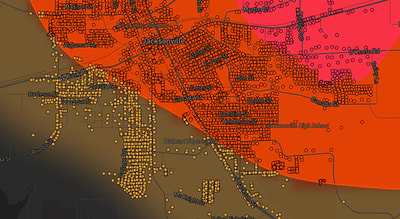
See exactly what you get.
Explore the full Springdale, AR Strike Map free – hail track, address overlay, and CSV download. No account required.
Try the Free Demo →