St. Louis, MO Hail Storm – June 2025
June 4, 2025 hail storm near St. Louis, MO. Radar-confirmed hail track and contractor lead lists available.
Max Hail
1.58"1" est.
confirmed
Zones
2
NWS alerts
Radar
–
dual-pol hits
Spotter
6
field reports
Dual-Pol Radar
Spotter Report
NWS Warning
NWS WARNING AREA · St. Louis Metro · Jun 4, 2025 · Click a zone to highlight
PURCHASE THIS STORM
Full storm data delivered to all buyers. No slot limit.
By purchasing, you agree to our Terms of Service and acknowledge the Data Accuracy Disclaimer. Address lists are derived from NOAA radar and federal databases; inclusion does not guarantee property damage.
Pro gets 1-hour priority access
From $49/mo · Auto-delivered leads
NWS WARNING AREAS · 2
This storm generated 2 NWS alert zones. One purchase covers the complete storm track and all addresses across every zone.
ZONE 1NWS LSX
St. Louis, MO
Spotter Reported
4,485 addresses in warning area
Alert issued Wed, Jun 4 · 7:50 PM UTC
1.58"
confirmed
1"
est. (NWS)
ZONE 2NWS LSX
Florissant, MO
NWS Warning
Alert issued Wed, Jun 4 · 8:13 PM UTC
1"
est. (NWS)
What Happened
A severe thunderstorm crossed the St. Louis, MO metro on June 4, 2025, producing 1-inch hail and a short-lived tornado, with the main activity concentrated from late afternoon into early evening.
The first hail signal came at 2:50 PM CDT, when dual-polarization radar showed 1-inch hail confidence in the warning area. A second alert followed at 3:13 PM CDT with 1-inch hail in the NWS warning area only. The storm then continued east and northeast through the metro under a broad severe setup.
Field reports placed the strongest impacts around 2:50 PM to 3:30 PM CDT. At 2:50 PM CDT, the NWS Storm Survey found an EF-1 tornado just east of Hwy 109 in Wildwood. It tracked northeast and dissipated in the Chesterfield Valley just south of the Missouri River at 3:00 PM CDT. A 2:51 PM CDT spotter report described large trees snapped, a roof or side of a garage heavily damaged, and debris strewn.
By 3:12 PM CDT, Jacobs Station Rd near Towers Road had flooded, with nearby yards holding about 1 foot of water. At 3:20 PM CDT, another spotter reported running water estimated at about a foot deep over a roadway, with a stalled car and the road not visible. Around 3:30 PM CDT, reports noted 1.58 inches of rain at an office since 2:15 PM CDT and a creek overflowing onto St Peters Howell Road, with water up to 1 foot deep in some nearby homes.
Damage Assessment
The storm produced a mix of hail, tornado damage, and flash flooding across the metro. The hail reports were verified by radar and warning-based alerts, while the ground truth pointed to a broader impact field that included snapped trees, structural damage to a garage, and debris spread near the tornado track in Wildwood.
Flooding was the most persistent surface impact in the available reports. Water covered Jacobs Station Rd near Towers Road by 3:12 PM CDT. A separate roadway report at 3:20 PM CDT described a stalled small two-door car in deep running water. By 3:30 PM CDT, the creek overflow on St Peters Howell Road had pushed water into nearby homes, with some interiors taking on about 1 foot of water.
Rainfall totals also support a quick-loading storm core. One office reported 1.58 inches in a little over an hour, from 2:15 PM CDT to 3:30 PM CDT. That level of rainfall lines up with the road flooding and creek overflow reported later in the event.
The tornado report near Wildwood adds a separate damage corridor to the storm. The 2:51 PM CDT report of snapped large trees and a damaged garage fits a narrow path of wind damage ahead of the main rain and hail reports. The Chesterfield Valley dissipation point places the end of that track near the Missouri River corridor.
What Contractors Should Know
This storm left more than one work zone. In the west metro, the tornado report near Hwy 109 and the Chesterfield Valley track deserves a separate inspection path from the hail and flood reports farther east. Tree damage, roof-edge damage, and garage impacts should be checked first in the Wildwood area, then along the northeast track into Chesterfield Valley.
Storm Details
- Start Date
- Wednesday, June 4, 2025
- Last Activity
- Wednesday, June 4, 2025
- Location
- St. Louis, MO
- Warning Areas
- 2
- Dual-Pol Radar
- --
- Spotter Reports
- 6
StormSnipe Pro
BEST VALUENever miss a storm in your market.
Auto-delivered leads with 1-hour priority access before shared buyers. Set it and close more jobs.
$49
/mo
1 Zone
POPULAR
$99
/mo
5 Zones
$199
/mo
Unlimited
- 1-hour priority access before public
- Auto-delivered every storm in your market
- Interactive Strike Map + hail track
Cancel anytime · No commitment
Try Before You Buy
See exactly what you get.
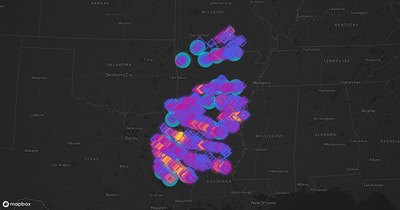
Explore the full Springdale, AR Strike Map free – hail track, address overlay, and CSV download. No account required.
Try the Free Demo →