Marathon, TX Hail Warning – June 2025
June 7, 2025 severe thunderstorm warning near Marathon, TX. NWS warning area data available.
Max Hail
2"NWS Est.
Zones
3
NWS alerts
Radar
–
dual-pol hits
Spotter
–
field reports
Dual-Pol Radar
Spotter Report
NWS Warning
NWS WARNING AREA · Marathon Metro · Jun 7, 2025 · Click a zone to highlight
PURCHASE THIS STORM
Full storm data delivered to all buyers. No slot limit.
By purchasing, you agree to our Terms of Service and acknowledge the Data Accuracy Disclaimer. Address lists are derived from NOAA radar and federal databases; inclusion does not guarantee property damage.
Pro gets 1-hour priority access
From $49/mo · Auto-delivered leads
NWS WARNING AREAS · 3
This storm generated 3 NWS alert zones. One purchase covers the complete storm track and all addresses across every zone.
ZONE 1NWS MAF
Marathon, TX
NWS Warning
Alert issued Sat, Jun 7 · 10:32 PM UTC
1.75"
est. (NWS)
ZONE 2NWS MAF
Marathon, TX
NWS Warning
Alert issued Sat, Jun 7 · 11:27 PM UTC
1.25"
est. (NWS)
ZONE 3NWS MAF
Alpine, TX
NWS Warning
Alert issued Sun, Jun 8 · 12:56 AM UTC
2"
est. (NWS)
What Happened
Marathon, TX was under a sequence of three NWS hail warnings on June 7, 2025, with the largest warning calling for 2-inch hail around 7:56 PM CDT. The storm produced a line of hail alerts through the evening, beginning at 5:32 PM CDT with a 1.75-inch warning and continuing at 6:27 PM CDT with a 1.25-inch warning.
All three alerts were NWS warning only. No radar or spotter confirmation of actual hail was available in the event data. The warning periods ran from late afternoon into early evening across the Marathon area.
Damage Assessment
A hail warning sequence that includes 1.25-inch to 2-inch hail calls for close inspection of roofs, skylights, vents, gutters, and soft metal trim. At the upper end of this range, 2-inch hail can leave visible impact marks on asphalt shingles, break brittle roofing components, and dent exposed exterior metal.
For Marathon properties, the main concern is scattered but uneven impact across the warning area. Roof slopes facing the storm path, west-facing elevations, and unprotected vehicles are the first places to check. Screen damage, cracked window edges, and bruised roof surfaces can be present even when hail reports remain unconfirmed.
Because this event was supported by NWS warning data only, field crews should treat the event as a warning-driven inspection lead rather than a verified hail track. Documentation should stay tied to observed conditions at each property, including roof material, slope, and any visible impact marks or loosened accessories.
What Contractors Should Know
Start with homes and small commercial roofs inside the warning area, then move to detached structures, carports, and utility covers. Focus on impact-prone materials. Look for bruised shingles, torn ridge caps, dented flashing, cracked polycarbonate, and damaged HVAC fins. On metal surfaces, small dents can appear first on vents, downspouts, garage doors, and window wraps.
Time matters on this event. The warning sequence extended from 5:32 PM CDT to 7:56 PM CDT, so field teams should organize by the alert windows and the likely storm path through Marathon. When crews document damage, keep notes specific. Record the date, local time, address, roof type, and visible hail marks. Avoid general statements that are not tied to the site.
Contractors working this area should also prepare for mixed results across short distances. One block may show no visible impact while the next property has denting on soft metals and accessory damage. That makes roof access, exterior photos, and close-up surface checks important on every stop.
For precise hail track data, see the Strike Map.
Storm Details
- Start Date
- Saturday, June 7, 2025
- Last Activity
- Sunday, June 8, 2025
- Location
- Marathon, TX
- Warning Areas
- 3
- Dual-Pol Radar
- --
- Spotter Reports
- --
StormSnipe Pro
BEST VALUENever miss a storm in your market.
Auto-delivered leads with 1-hour priority access before shared buyers. Set it and close more jobs.
$49
/mo
1 Zone
POPULAR
$99
/mo
5 Zones
$199
/mo
Unlimited
- 1-hour priority access before public
- Auto-delivered every storm in your market
- Interactive Strike Map + hail track
Cancel anytime · No commitment
Try Before You Buy
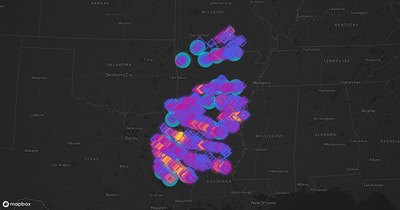
See exactly what you get.
Explore the full Springdale, AR Strike Map free – hail track, address overlay, and CSV download. No account required.
Try the Free Demo →