Corpus Christi, TX Hail Storm – June 2025
June 12, 2025 hail storm near Corpus Christi, TX. Radar-confirmed hail track and contractor lead lists available.
Max Hail
2.5"1.5" est.
confirmed
Zones
7
NWS alerts
Radar
196
dual-pol hits
Spotter
29
field reports
NWS WARNING AREA · Corpus Christi Metro · Jun 12, 2025
Intelligence Platform
StormSnipe Pro
$49/ mo
Cancel anytime · No contracts
›All 50 states
›No zone limits
›No per-event fees
Subscribe to Pro
Pro renews monthly until canceled · Cancel anytime in the billing portal
What's included
Instant delivery
Every storm published within hours of NOAA confirmation.
Interactive Strike Map
Full radar-confirmed hail track on an interactive map.
Address CSV export
Every affected residential address, export-ready.
Smart alerts
Notified when a storm hits your area. Set zones once.
Nationwide coverage
All 50 states. No zone restrictions. No geographic caps.
Live pipeline
NOAA NEXRAD processed and delivered 24/7.
Address data notice
Pro coverage in California, Vermont, and Oregon includes the confirmed hail track and Strike Map only — no address lists. State data-privacy law treats compiled address lists differently in those three states, so we exclude their addresses from extraction and delivery.
NWS WARNING AREAS · 7
This storm generated 7 NWS alert zones. Pro access covers the complete storm track and all addresses across every zone.
ZONE 1NWS CRP
Corpus Christi, TX
Dual-Pol Radar
1,145 addresses in warning area
Alert issued Thu, Jun 12 · 9:10 PM UTC
2.25"
confirmed
1"
est. (NWS)
ZONE 2NWS BRO
Encino, TX
Dual-Pol Radar
Alert issued Thu, Jun 12 · 10:36 PM UTC
1.25"
confirmed
1"
est. (NWS)
ZONE 3NWS BRO
Edinburg, TX
Dual-Pol Radar
329 addresses in warning area
Alert issued Thu, Jun 12 · 11:08 PM UTC
2.25"
confirmed
1.5"
est. (NWS)
ZONE 4NWS BRO
Linn, TX
Dual-Pol Radar
131 addresses in warning area
Alert issued Thu, Jun 12 · 11:16 PM UTC
2"
confirmed
1"
est. (NWS)
ZONE 5NWS BRO
Edinburg, TX
Dual-Pol Radar
22 addresses in warning area
Alert issued Thu, Jun 12 · 11:40 PM UTC
2.5"
confirmed
1"
est. (NWS)
ZONE 6NWS BRO
Edinburg, TX
Dual-Pol Radar
56,794 addresses in warning area
Alert issued Fri, Jun 13 · 12:17 AM UTC
2.5"
confirmed
1"
est. (NWS)
ZONE 7NWS BRO
Weslaco, TX
Dual-Pol Radar
Alert issued Fri, Jun 13 · 12:38 AM UTC
2.5"
confirmed
1"
est. (NWS)
Corpus Christi, Texas, saw a concluded hail storm on June 12, 2025, with a peak verified hail size of 1 inch. The storm moved through the metro in the late afternoon.
What Happened
The storm produced one NWS alert for the Corpus Christi metro area. At 4:10 PM CDT, the warning area called for 1 inch hail, with radar and spotter verification in place.
The event remained confined to a single storm zone. The alert timing placed the hail threat in the late afternoon window, when convective storms often organize quickly over South Texas. The verified hail size held at 1 inch through the end of the event.
Radar confidence was supported by dual-polarization hail detection and spotter confirmation. No later alerts extended the event beyond the original warning area. The storm concluded after the afternoon hail threat passed through the metro.
Damage Assessment
Hail at 1 inch is large enough to produce field calls on vehicles, roof surfaces, gutters, screens, and soft exterior finishes. In Corpus Christi, the most likely damage pattern follows short-duration impacts to unprotected vehicles, denting on light metal surfaces, and bruising on weathered roof components. Freshly installed shingles and thin gauge metal can also show visible marks after a storm at this size.
Damage reports at this hail size usually remain uneven across a metro area. One block may show little to no visible impact while another shows concentrated cosmetic loss. Contractors should expect the strongest claims where vehicles were parked outside and where roofs already had age-related wear. Exterior trim, patio covers, AC fins, and skylight frames can also show impact marks when hail reaches 1 inch.
Inspection crews should document impact direction, dent density, and the condition of any pre-existing wear. Roof checks should focus on granule loss, split tabs, soft metal deformities, and collateral damage on vents and flashing. In neighborhoods with tree cover, leaf litter and broken small limbs can help narrow the storm path, but they do not replace roof-level confirmation.
What Contractors Should Know
This event fits a compact hail response profile. The warning area was limited, the hail size was verified at 1 inch, and the storm ended the same day. Contractors working Corpus Christi should keep canvass routes tight and prioritize street-by-street inspection near the storm core rather than broad metro-wide outreach.
Vehicle lots, apartment complexes, and homes with open parking exposure should be first on the list. Pay close attention to north- and west-facing slopes if local wind flow shifted during the storm, but do not assume every structure in the metro saw the same impact. Use roof access, photo documentation, and consistent damage notes to separate hail marks from age-related wear.
Storm Details
- Start Date
- Thursday, June 12, 2025
- Last Activity
- Thursday, June 12, 2025
- Location
- Corpus Christi, TX
- Warning Areas
- 7
- Dual-Pol Radar
- 196
- Spotter Reports
- 29
Preview Strike Map
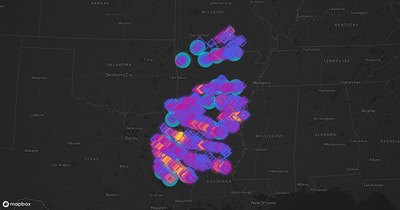
See exactly what you get.
Explore the full Springdale, AR Strike Map free – hail track, address overlay, and CSV download. No account required.
Try the Free Demo →