Picacho, NM Hail Storm – June 2025
June 12, 2025 hail storm near Picacho, NM. Radar-confirmed hail track and contractor lead lists available.
Max Hail
2.5"1" est.
confirmed
Zones
6
NWS alerts
Radar
146
dual-pol hits
Spotter
–
field reports
NWS WARNING AREA · Picacho Metro · Jun 12, 2025
Intelligence Platform
StormSnipe Pro
$49/ mo
Cancel anytime · No contracts
›All 50 states
›No zone limits
›No per-event fees
Subscribe to Pro
Pro renews monthly until canceled · Cancel anytime in the billing portal
What's included
Instant delivery
Every storm published within hours of NOAA confirmation.
Interactive Strike Map
Full radar-confirmed hail track on an interactive map.
Address CSV export
Every affected residential address, export-ready.
Smart alerts
Notified when a storm hits your area. Set zones once.
Nationwide coverage
All 50 states. No zone restrictions. No geographic caps.
Live pipeline
NOAA NEXRAD processed and delivered 24/7.
Address data notice
Pro coverage in California, Vermont, and Oregon includes the confirmed hail track and Strike Map only — no address lists. State data-privacy law treats compiled address lists differently in those three states, so we exclude their addresses from extraction and delivery.
NWS WARNING AREAS · 6
This storm generated 6 NWS alert zones. Pro access covers the complete storm track and all addresses across every zone.
ZONE 1NWS ABQ
Picacho, NM
Dual-Pol Radar
3 addresses in warning area
Alert issued Thu, Jun 12 · 9:18 PM UTC
2.5"
confirmed
1"
est. (NWS)
ZONE 2NWS ABQ
Fort Sumner, NM
Dual-Pol Radar
16 addresses in warning area
Alert issued Thu, Jun 12 · 9:58 PM UTC
1.5"
confirmed
1"
est. (NWS)
ZONE 3NWS MAF
Carlsbad, NM
Dual-Pol Radar
27 addresses in warning area
Alert issued Thu, Jun 12 · 10:56 PM UTC
2.25"
confirmed
1"
est. (NWS)
ZONE 4NWS ABQ
Elida, NM
Dual-Pol Radar
35 addresses in warning area
Alert issued Thu, Jun 12 · 11:03 PM UTC
1.75"
confirmed
1"
est. (NWS)
ZONE 5NWS MAF
Salt Flat, TX
Dual-Pol Radar
38 addresses in warning area
Alert issued Thu, Jun 12 · 11:20 PM UTC
1.25"
confirmed
1"
est. (NWS)
ZONE 6NWS EPZ
Piñon, NM
Dual-Pol Radar
6 addresses in warning area
Alert issued Thu, Jun 12 · 11:29 PM UTC
1"
confirmed
1"
est. (NWS)
Picacho, NM saw three hail alerts on June 12, 2025, with 1-inch hail verified in the concluded storm. The event moved through the area from mid-afternoon into early evening.
What Happened
The first hail alert came at 3:18 PM MDT, or 21:18 UTC, with dual-polarization radar confidence for 1-inch hail. A second alert followed at 3:58 PM MDT, or 21:58 UTC, with the same hail size and radar confidence. The final alert came at 5:03 PM MDT, or 23:03 UTC, again holding at 1-inch hail.
That sequence points to a multi-zone hail event rather than a single brief pulse. The warning area covered the Picacho metro during the storm cycle, with the strongest hail signal repeating through the afternoon and into early evening. The storm is now concluded.
Damage Assessment
Hail at 1 inch can mark vehicles, bruise softer roofing materials, and leave denting on exposed metal surfaces. Around homes and commercial sites, the most common losses are roof granule loss, cracked vents, and cosmetic impacts on siding, gutters, and trim.
For contractors, a storm like this usually supports targeted inspection work across the warning area. The repeated 1-inch signals suggest more than one pass through the same general corridor. Roof checks should focus on slopes with direct exposure, ridge caps, flashing, and penetrations. Ground-level inspections should cover vehicles, awnings, skylights, and soft metals that show hail contact quickly.
What Contractors Should Know
This event fits a narrow hail profile. The verified size stayed at 1 inch across all three alerts, so estimate sets should center on cosmetic and localized functional checks rather than broad structural loss claims. Inspection scheduling should prioritize addresses inside the warning area first, then nearby properties that reported visible stone impact or roof debris after the storm.
The timing also matters for route planning. The first alert came at 3:18 PM MDT, the second at 3:58 PM MDT, and the third at 5:03 PM MDT. Crews should expect mixed field conditions across the afternoon footprint, including properties hit more than once. That can change the repair list by block, especially where roof slopes, vehicles, and exterior fixtures all took separate hits.
For canvass work, keep the message tied to the verified hail size and local timing. Use 1-inch hail in Picacho, NM on June 12, 2025 as the event anchor. Focus on roof systems, soft metal, and surface impacts that are consistent with repeated hail in the same storm path.
Use the paid Strike Map for precise hail track data across Picacho, NM.
Storm Details
- Start Date
- Thursday, June 12, 2025
- Last Activity
- Thursday, June 12, 2025
- Location
- Picacho, NM
- Warning Areas
- 6
- Dual-Pol Radar
- 146
- Spotter Reports
- --
Preview Strike Map
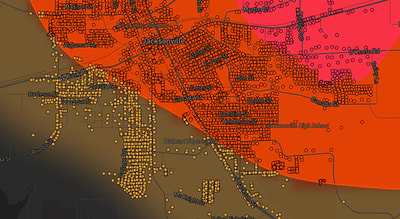
See exactly what you get.
Explore the full Springdale, AR Strike Map free – hail track, address overlay, and CSV download. No account required.
Try the Free Demo →