Lawton, OK Hail Storm – June 2025
June 13, 2025 hail storm near Lawton, OK. Radar-confirmed hail track and contractor lead lists available.
Max Hail
1.75"1" est.
confirmed
Zones
4
NWS alerts
Radar
159
dual-pol hits
Spotter
–
field reports
NWS WARNING AREA · Lawton Metro · Jun 13, 2025
Intelligence Platform
StormSnipe Pro
$49/ mo
Cancel anytime · No contracts
›All 50 states
›No zone limits
›No per-event fees
Subscribe to Pro
Pro renews monthly until canceled · Cancel anytime in the billing portal
What's included
Instant delivery
Every storm published within hours of NOAA confirmation.
Interactive Strike Map
Full radar-confirmed hail track on an interactive map.
Address CSV export
Every affected residential address, export-ready.
Smart alerts
Notified when a storm hits your area. Set zones once.
Nationwide coverage
All 50 states. No zone restrictions. No geographic caps.
Live pipeline
NOAA NEXRAD processed and delivered 24/7.
Address data notice
Pro coverage in California, Vermont, and Oregon includes the confirmed hail track and Strike Map only — no address lists. State data-privacy law treats compiled address lists differently in those three states, so we exclude their addresses from extraction and delivery.
NWS WARNING AREAS · 4
This storm generated 4 NWS alert zones. Pro access covers the complete storm track and all addresses across every zone.
ZONE 1NWS OUN
Lawton, OK
Dual-Pol Radar
Alert issued Fri, Jun 13 · 1:27 PM UTC
1.5"
confirmed
1"
est. (NWS)
ZONE 2NWS OUN
Hobart, OK
Dual-Pol Radar
17 addresses in warning area
Alert issued Fri, Jun 13 · 2:04 PM UTC
1.25"
confirmed
1"
est. (NWS)
ZONE 3NWS OUN
Faxon, OK
Dual-Pol Radar
Alert issued Fri, Jun 13 · 2:13 PM UTC
1.25"
confirmed
1"
est. (NWS)
ZONE 4NWS OUN
Indiahoma, OK
Dual-Pol Radar
5 addresses in warning area
Alert issued Fri, Jun 13 · 3:39 PM UTC
1.75"
confirmed
1"
est. (NWS)
Lawton, OK saw a concluded hail storm on June 13, 2025, with 1-inch hail confirmed across multiple warning areas. The strongest hail reported in the event reached 1 inch.
What Happened
The storm developed through the morning over the Lawton metro and produced four hail alerts between 8:27 AM CDT and 10:39 AM CDT. Each alert carried a 1-inch hail signal from dual-polarization radar.
The first alert was issued at 8:27 AM CDT. Additional alerts followed at 9:04 AM CDT, 9:13 AM CDT, and 10:39 AM CDT. The repeated radar confidence kept the event in the hail threat range for more than two hours.
All four alerts were tied to the same general storm sequence over the Lawton area. The hail signal remained at 1 inch through the warning cycle. The event is now concluded.
Damage Assessment
One-inch hail is enough to leave visible marks on vehicles, soft metals, and exterior finishes. It can dent roofs with thinner coverings, chip trim, and damage window screens or exposed siding on direct strikes.
The pattern of repeated 1-inch hail alerts points to a hail swath that likely affected more than one part of the metro. Property impact can vary sharply across short distances. One block may see only minor cosmetic damage while another sees more concentrated roof and siding hits.
For contractors, that means the first pass should stay focused on roof slopes, gutters, downspouts, vents, skylights, AC fins, and impact marks on north- and west-facing exposures when wind direction is unclear. Vehicles left in open lots, carports, and curbside parking should also be checked for consistent pit patterns and broken glass.
What Contractors Should Know
The June 13 storm in Lawton is the kind of event that can produce scattered exterior claims without widespread structural loss. A 1-inch hail report usually supports inspections for shingles, flashing, soft metal, and collateral hits around windows, fences, and siding. Crews should expect the damage to be patchy across the metro, not uniform.
Field teams should start with neighborhoods inside the warning area and then move outward along the storm path. Focus on homes with older asphalt shingles, lightweight metal roof components, and exposed attachments such as patio covers and screened enclosures. On commercial sites, check HVAC units, gutter runs, loading dock canopies, and flat roof edges where hail impact is easier to confirm.
For triage, separate hail marks from wear, foot traffic, and prior repair work. Use slope-by-slope inspection notes and photo documentation. Recheck properties with tree cover only after looking at nearby open-lot structures, since hail signatures often show more clearly on metal and painted surfaces.
StormSnipe users can review the Strike Map for precise hail track data across the Lawton event.
Storm Details
- Start Date
- Friday, June 13, 2025
- Last Activity
- Friday, June 13, 2025
- Location
- Lawton, OK
- Warning Areas
- 4
- Dual-Pol Radar
- 159
- Spotter Reports
- --
Preview Strike Map
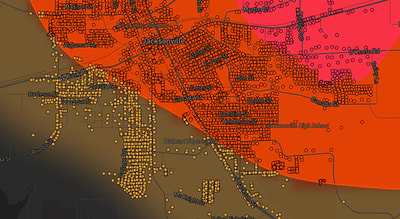
See exactly what you get.
Explore the full Springdale, AR Strike Map free – hail track, address overlay, and CSV download. No account required.
Try the Free Demo →