Stratford, TX Hail Storm – June 2025
June 14, 2025 hail storm near Stratford, TX. Radar-confirmed hail track and contractor lead lists available.
Max Hail
2.25"1" est.
confirmed
Zones
4
NWS alerts
Radar
99
dual-pol hits
Spotter
–
field reports
NWS WARNING AREA · Stratford Metro · Jun 14, 2025
Intelligence Platform
StormSnipe Pro
$49/ mo
Cancel anytime · No contracts
›All 50 states
›No zone limits
›No per-event fees
Subscribe to Pro
Pro renews monthly until canceled · Cancel anytime in the billing portal
What's included
Instant delivery
Every storm published within hours of NOAA confirmation.
Interactive Strike Map
Full radar-confirmed hail track on an interactive map.
Address CSV export
Every affected residential address, export-ready.
Smart alerts
Notified when a storm hits your area. Set zones once.
Nationwide coverage
All 50 states. No zone restrictions. No geographic caps.
Live pipeline
NOAA NEXRAD processed and delivered 24/7.
Address data notice
Pro coverage in California, Vermont, and Oregon includes the confirmed hail track and Strike Map only — no address lists. State data-privacy law treats compiled address lists differently in those three states, so we exclude their addresses from extraction and delivery.
NWS WARNING AREAS · 4
This storm generated 4 NWS alert zones. Pro access covers the complete storm track and all addresses across every zone.
ZONE 1NWS AMA
Stratford, TX
Dual-Pol Radar
22 addresses in warning area
Alert issued Sat, Jun 14 · 12:26 AM UTC
2"
confirmed
1"
est. (NWS)
ZONE 2NWS AMA
Stratford, TX
Dual-Pol Radar
25 addresses in warning area
Alert issued Sat, Jun 14 · 1:15 AM UTC
2"
confirmed
1"
est. (NWS)
ZONE 3NWS AMA
Keyes, OK
Dual-Pol Radar
22 addresses in warning area
Alert issued Sat, Jun 14 · 2:04 AM UTC
2.25"
confirmed
1"
est. (NWS)
ZONE 4NWS AMA
Panhandle, TX
Dual-Pol Radar
5 addresses in warning area
Alert issued Sat, Jun 14 · 4:20 AM UTC
2.25"
confirmed
1"
est. (NWS)
Stratford, TX was hit by a concluded hail storm on June 14, 2025, with a peak confirmed hail size of 1 inch. The storm produced four hail alerts from early evening through late night.
What Happened
The first alert came at 7:26 PM CDT, with dual-polarization radar support for 1 inch hail. Additional alerts followed at 8:15 PM CDT, 9:04 PM CDT, and 11:20 PM CDT, each carrying the same 1 inch hail signal from radar-derived confidence. The sequence shows repeated hail detection across the storm cycle in the Stratford metro area.
The alerts spanned more than three hours. The storm remained organized enough to continue producing hail signals into late evening before it concluded.
Damage Assessment
Hail at 1 inch can mark vehicles, bruise siding, and crack older roof surfaces. Metal roofs may show denting. Soft metals, vents, gutters, and exterior trim can also show impact marks after a storm of this size.
For property claims, the main field check is roof slope, shingle condition, and impact density on exposed surfaces. Windows, skylights, AC fins, fence caps, and painted trim should be reviewed where the storm path crossed the area.
Repeated hail alerts over the same event window point to more than one pass of hail through the warning area. Contractors should treat each structure as a separate inspection, not assume every address took the same hit.
What Contractors Should Know
Start with the roof. Look for bruised asphalt shingles, displaced granules, cracked tabs, and soft metal impact marks on roof accessories. On steep-slope roofs, check ridge caps, flashing, penetrations, and any field-reported weak points near vents and pipe boots. On low-slope roofs, inspect membrane seams, drainage points, and edge metal.
Move to the exterior envelope. Siding, screens, gutters, downspouts, window trim, and garage doors can show the first visible evidence of a 1 inch hail event. In mixed-material neighborhoods, one surface may carry obvious marks while another shows light or scattered impacts. Photograph each face separately and keep close-up images with a scale reference.
For contractors working Stratford after this event, time stamps matter. The first radar-confirmed alert began at 7:26 PM CDT, and later alerts extended into 11:20 PM CDT. That timeline helps narrow which roofs and exteriors were exposed during the hail cycle and which addresses may need follow-up inspection. Compare attic, roof, and exterior findings before assigning a damage pattern.
Use the hail size and alert sequence together when triaging canvass routes. Concentrate on homes and buildings with exposed roofing, older shingles, soft metal components, and recent repair history. Document each property with date-stamped photos and note whether the impact pattern is localized or spread across multiple elevations.
Storm Details
- Start Date
- Friday, June 13, 2025
- Last Activity
- Friday, June 13, 2025
- Location
- Stratford, TX
- Warning Areas
- 4
- Dual-Pol Radar
- 99
- Spotter Reports
- --
Preview Strike Map
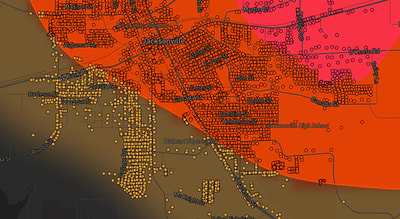
See exactly what you get.
Explore the full Springdale, AR Strike Map free – hail track, address overlay, and CSV download. No account required.
Try the Free Demo →