Roswell, NM Hail Storm – June 2025
June 22, 2025 hail storm near Roswell, NM. Radar-confirmed hail track and contractor lead lists available.
Max Hail
2.25"1.25" est.
confirmed
Zones
14
NWS alerts
Radar
807
dual-pol hits
Spotter
17
field reports
NWS WARNING AREA · Roswell Metro · Jun 22, 2025
Intelligence Platform
StormSnipe Pro
$49/ mo
Cancel anytime · No contracts
›All 50 states
›No zone limits
›No per-event fees
Subscribe to Pro
Pro renews monthly until canceled · Cancel anytime in the billing portal
What's included
Instant delivery
Every storm published within hours of NOAA confirmation.
Interactive Strike Map
Full radar-confirmed hail track on an interactive map.
Address CSV export
Every affected residential address, export-ready.
Smart alerts
Notified when a storm hits your area. Set zones once.
Nationwide coverage
All 50 states. No zone restrictions. No geographic caps.
Live pipeline
NOAA NEXRAD processed and delivered 24/7.
Address data notice
Pro coverage in California, Vermont, and Oregon includes the confirmed hail track and Strike Map only — no address lists. State data-privacy law treats compiled address lists differently in those three states, so we exclude their addresses from extraction and delivery.
NWS WARNING AREAS · 14
This storm generated 14 NWS alert zones. Pro access covers the complete storm track and all addresses across every zone.
ZONE 1NWS ABQ
Roswell, NM
Dual-Pol Radar
Alert issued Sun, Jun 22 · 9:33 PM UTC
2.25"
confirmed
1"
est. (NWS)
ZONE 2NWS ABQ
Conchas Dam, NM
Dual-Pol Radar
311 addresses in warning area
Alert issued Sun, Jun 22 · 10:08 PM UTC
1.75"
confirmed
1"
est. (NWS)
ZONE 3NWS ABQ
Roswell, NM
Dual-Pol Radar
19,978 addresses in warning area
Alert issued Sun, Jun 22 · 10:10 PM UTC
2.25"
confirmed
1.25"
est. (NWS)
ZONE 4NWS ABQ
Roswell, NM
Dual-Pol Radar
401 addresses in warning area
Alert issued Sun, Jun 22 · 11:14 PM UTC
1.25"
confirmed
1.25"
est. (NWS)
ZONE 5NWS ABQ
Melrose, NM
Dual-Pol Radar
111 addresses in warning area
Alert issued Sun, Jun 22 · 11:17 PM UTC
1.5"
confirmed
1"
est. (NWS)
ZONE 6NWS ABQ
Nara Visa, NM
Dual-Pol Radar
246 addresses in warning area
Alert issued Sun, Jun 22 · 11:31 PM UTC
2"
confirmed
1"
est. (NWS)
ZONE 7NWS AMA
Dalhart, TX
Dual-Pol Radar
21 addresses in warning area
Alert issued Sun, Jun 22 · 11:46 PM UTC
2"
confirmed
1"
est. (NWS)
ZONE 8NWS ABQ
Grady, NM
Dual-Pol Radar
Alert issued Sun, Jun 22 · 11:52 PM UTC
1.5"
confirmed
1"
est. (NWS)
ZONE 9NWS AMA
Dalhart, TX
Dual-Pol Radar
38 addresses in warning area
Alert issued Mon, Jun 23 · 12:02 AM UTC
2.25"
confirmed
1"
est. (NWS)
ZONE 10NWS AMA
Vega, TX
Dual-Pol Radar
576 addresses in warning area
Alert issued Mon, Jun 23 · 12:31 AM UTC
2.25"
confirmed
1"
est. (NWS)
ZONE 11NWS AMA
Dumas, TX
Dual-Pol Radar
5 addresses in warning area
Alert issued Mon, Jun 23 · 12:59 AM UTC
1.5"
confirmed
1"
est. (NWS)
ZONE 12NWS ABQ
Elida, NM
Dual-Pol Radar
21 addresses in warning area
Alert issued Mon, Jun 23 · 12:59 AM UTC
1.5"
confirmed
1"
est. (NWS)
ZONE 13NWS MAF
Tatum, NM
Dual-Pol Radar
14 addresses in warning area
Alert issued Mon, Jun 23 · 1:33 AM UTC
1.25"
confirmed
1"
est. (NWS)
ZONE 14NWS AMA
Stinnett, TX
Dual-Pol Radar
4 addresses in warning area
Alert issued Mon, Jun 23 · 1:52 AM UTC
1.5"
confirmed
1"
est. (NWS)
What Happened
A severe hail storm moved through Roswell, NM on June 22, 2025, producing 1.25-inch hail during a multi-hour afternoon and evening sequence. The storm stayed active from mid-afternoon into early evening and generated eight hail alerts across the Roswell metro.
The first alert came at 3:33 PM MDT with 1-inch hail, backed by radar and spotter verification. A second alert followed at 4:08 PM MDT with 1-inch hail detected by dual-polarization radar. Ten minutes later, at 4:10 PM MDT, the hail signal increased to 1.25 inches with radar and spotter support.
The storm held that larger size into the evening. Another 1.25-inch alert was issued at 5:14 PM MDT, again with radar and spotter verification. Additional alerts at 5:17 PM MDT, 5:31 PM MDT, 5:52 PM MDT, and 6:59 PM MDT all carried 1-inch hail detections from dual-polarization radar.
A spotter report at 5:08 PM MDT described hail that lasted until about 5:20 PM. The report listed 1-inch hail and placed the surface impact squarely in the middle of the storm cycle.
Damage Assessment
The field reports point to a localized hail core with repeated surface impact rather than a brief, isolated burst. The spotter-verified report at 5:08 PM MDT confirms hail on the ground for several minutes, and the later 1.25-inch alert at 5:14 PM MDT shows the storm maintained stronger hail aloft as it moved through the Roswell area.
The mix of 1-inch and 1.25-inch alerts suggests the storm pulsed during the afternoon and early evening. Radar detected hail multiple times after the first verified report, including several 1-inch detections later in the evening. That pattern fits a storm that kept cycling rather than weakening quickly after the first impact.
For property in Roswell, the likely effects are concentrated in the exposed areas under the main hail path. Vehicles left outdoors during the 3:30 PM to 6:59 PM window were the most exposed. Roof surfaces, soft metal trim, skylights, and older window screens in the metro could have taken separate hits from repeated hail passes. A single 1-inch report does not define the whole storm here. The later 1.25-inch alerts show a stronger phase after the first verified ground report.
The available reports do not indicate widespread wind damage or flooding tied to this event. The documented impact centers on hail size and duration.
What Contractors Should Know
This is a Roswell metro hail event with a long enough timeline to create multiple inspection windows. Start with the neighborhoods and commercial corridors that sat under the storm between mid-afternoon and early evening. The repeated alerts point to a broader warning area with several hail cycles, not a single short-lived pass.
Use the 5:08 PM MDT spotter report as the anchor for ground impact and the 5:14 PM MDT 1.25-inch alert as the stronger follow-up. Crews should check for roof granule loss, dented metal flashing, cracked vents, and impact marks on vehicles parked outside during the main storm window. If a property was hit during the earlier part of the event, it may still show a second layer of impact from the later hail pulse.
Storm Details
- Start Date
- Sunday, June 22, 2025
- Last Activity
- Sunday, June 22, 2025
- Location
- Roswell, NM
- Warning Areas
- 14
- Dual-Pol Radar
- 807
- Spotter Reports
- 17
Preview Strike Map
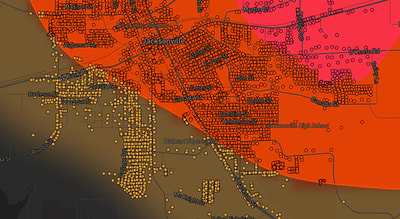
See exactly what you get.
Explore the full Springdale, AR Strike Map free – hail track, address overlay, and CSV download. No account required.
Try the Free Demo →