Sedan, NM Hail Storm – June 2025
June 26, 2025 hail storm near Sedan, NM. Radar-confirmed hail track and contractor lead lists available.
Max Hail
1.25"1.5" est.
confirmed
Zones
2
NWS alerts
Radar
25
dual-pol hits
Spotter
–
field reports
NWS WARNING AREA · Sedan Metro · Jun 26, 2025
Intelligence Platform
StormSnipe Pro
$49/ mo
Cancel anytime · No contracts
›All 50 states
›No zone limits
›No per-event fees
Subscribe to Pro
Pro renews monthly until canceled · Cancel anytime in the billing portal
What's included
Instant delivery
Every storm published within hours of NOAA confirmation.
Interactive Strike Map
Full radar-confirmed hail track on an interactive map.
Address CSV export
Every affected residential address, export-ready.
Smart alerts
Notified when a storm hits your area. Set zones once.
Nationwide coverage
All 50 states. No zone restrictions. No geographic caps.
Live pipeline
NOAA NEXRAD processed and delivered 24/7.
Address data notice
Pro coverage in California, Vermont, and Oregon includes the confirmed hail track and Strike Map only — no address lists. State data-privacy law treats compiled address lists differently in those three states, so we exclude their addresses from extraction and delivery.
NWS WARNING AREAS · 2
This storm generated 2 NWS alert zones. Pro access covers the complete storm track and all addresses across every zone.
ZONE 1NWS ABQ
Sedan, NM
Dual-Pol Radar
1 addresses in warning area
Alert issued Thu, Jun 26 · 11:54 PM UTC
0.75"
confirmed
1.5"
est. (NWS)
ZONE 2NWS AMA
Dalhart, TX
Dual-Pol Radar
88 addresses in warning area
Alert issued Thu, Jun 26 · 11:57 PM UTC
1.25"
confirmed
1"
est. (NWS)
Sedan, NM was hit by a severe hail storm on June 26, 2025. The storm produced a maximum confirmed hail size of 1.5 inches in the early evening.
What Happened
A single hail-producing storm crossed the Sedan, NM area on June 26, 2025. The only alert in this event came at 5:54 PM MDT, when dual-polarization radar supported a 1.5-inch hail call. That alert matched the peak hail size recorded for the storm.
The event was concluded by the time this page was compiled. No additional alerts were listed for the storm. The hail threat was concentrated into one documented warning area tied to the early evening pulse.
The timing places the most intense part of the storm during the late-day convective window, when hail cores can build quickly and move through a neighborhood in minutes. In this case, the radar-confirmed hail size reached the 1.5-inch threshold in the same alert cycle that captured the storm peak.
Damage Assessment
Hail at 1.5 inches is large enough to affect a wide range of exterior surfaces. Common field findings after stones of this size include dented roof vents, bruised asphalt shingles, damaged soft metals, cracked siding components, and broken vehicle glass where the hail falls directly overhead. Impact marks can also show up on fascia, gutters, skylights, and window trim.
The level of damage varies with roof age, material type, slope, and storm duration. On metal components, dents are often easier to verify than on composite surfaces. On shingles, granule loss and impact bruising can be scattered and may not be visible from the ground. Crews should treat any property inside the warning area as a candidate for close inspection when the roof line faces the storm path.
For contractors, the first pass should focus on roof surfaces, gutters, soft metals, and accessory structures. Photos should capture the hail size evidence, directional impact, and any uniform damage pattern across the structure. Vehicle lots, patio covers, vents, and window systems deserve the same attention, especially where the storm moved directly overhead near the time of the 5:54 PM MDT alert.
This was a single-zone hail event, so localized damage can vary sharply from one block to the next. A clean exterior does not rule out roof or collateral loss. Small test squares, slope-specific inspection notes, and a consistent roof-to-ground sequence help separate minor cosmetic hits from more substantial hail impact.
What Contractors Should Know
Lead response should start with the early evening window around the 5:54 PM MDT alert. Properties inside the warning area may show mixed signatures, with some addresses carrying clear hail impacts and others showing only light or trace marks. Focus first on roof planes that faced the storm path, then move to gutters, downspouts, vents, and window exteriors. On 1.5-inch hail, the most useful field evidence often appears on soft metals, cracked plastic components, and concentrated shingle bruising near roof edges and ridges.
Storm Details
- Start Date
- Thursday, June 26, 2025
- Last Activity
- Thursday, June 26, 2025
- Location
- Sedan, NM
- Warning Areas
- 2
- Dual-Pol Radar
- 25
- Spotter Reports
- --
Preview Strike Map
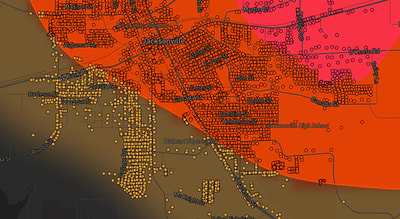
See exactly what you get.
Explore the full Springdale, AR Strike Map free – hail track, address overlay, and CSV download. No account required.
Try the Free Demo →