Clayton, GA Hail Storm – June 2025
June 27, 2025 hail storm near Clayton, GA. Radar-confirmed hail track and contractor lead lists available.
Max Hail
2"1" est.
confirmed
Zones
20
NWS alerts
Radar
42
dual-pol hits
Spotter
18
field reports
Dual-Pol Radar
Spotter Report
NWS Warning
NWS WARNING AREA · Clayton Metro · Jun 27, 2025 · Click a zone to highlight
PURCHASE THIS STORM
Full storm data delivered to all buyers. No slot limit.
By purchasing, you agree to our Terms of Service and acknowledge the Data Accuracy Disclaimer. Address lists are derived from NOAA radar and federal databases; inclusion does not guarantee property damage.
Pro gets 1-hour priority access
From $49/mo · Auto-delivered leads
NWS WARNING AREAS · 20
This storm generated 20 NWS alert zones. One purchase covers the complete storm track and all addresses across every zone.
ZONE 1NWS GSP
Clayton, GA
Spotter Reported
Alert issued Fri, Jun 27 · 7:36 PM UTC
0.75"
confirmed
1"
est. (NWS)
ZONE 2NWS FFC
Eastman, GA
NWS Warning
Alert issued Fri, Jun 27 · 8:02 PM UTC
1"
est. (NWS)
ZONE 3NWS FFC
Cordele, GA
Spotter Reported
Alert issued Fri, Jun 27 · 8:13 PM UTC
1"
confirmed
1"
est. (NWS)
ZONE 4NWS FFC
Wrightsville, GA
NWS Warning
Alert issued Fri, Jun 27 · 8:26 PM UTC
1"
est. (NWS)
ZONE 5NWS FFC
Trenton, GA
NWS Warning
Alert issued Fri, Jun 27 · 8:53 PM UTC
1"
est. (NWS)
ZONE 6NWS FFC
Trenton, GA
Spotter Reported
Alert issued Fri, Jun 27 · 9:14 PM UTC
1"
confirmed
1"
est. (NWS)
ZONE 7NWS FFC
Dublin, GA
NWS Warning
Alert issued Fri, Jun 27 · 9:28 PM UTC
1"
est. (NWS)
ZONE 8NWS FFC
Flintstone, GA
Spotter Reported
Alert issued Fri, Jun 27 · 9:37 PM UTC
1"
confirmed
1"
est. (NWS)
ZONE 9NWS FFC
Gainesville, GA
NWS Warning
Alert issued Fri, Jun 27 · 9:43 PM UTC
1"
est. (NWS)
ZONE 10NWS FFC
Canton, GA
Spotter Reported
Alert issued Fri, Jun 27 · 9:48 PM UTC
1.25"
confirmed
1"
est. (NWS)
ZONE 11NWS FFC
Suwanee, GA
Spotter Reported
Alert issued Fri, Jun 27 · 10:29 PM UTC
0.75"
confirmed
1"
est. (NWS)
ZONE 12NWS FFC
Ball Ground, GA
Spotter Reported
Alert issued Fri, Jun 27 · 10:42 PM UTC
0.75"
confirmed
1"
est. (NWS)
ZONE 13NWS FFC
Conley, GA
Dual-Pol Radar
Alert issued Fri, Jun 27 · 10:47 PM UTC
1.5"
confirmed
1"
est. (NWS)
ZONE 14NWS GSP
Rock Hill, SC
Spotter Reported
1,578 addresses in warning area
Alert issued Fri, Jun 27 · 10:49 PM UTC
0.75"
confirmed
1"
est. (NWS)
ZONE 15NWS FFC
Doraville, GA
Spotter Reported
Alert issued Fri, Jun 27 · 11:08 PM UTC
1"
confirmed
1"
est. (NWS)
ZONE 16NWS FFC
Acworth, GA
Spotter Reported
Alert issued Fri, Jun 27 · 11:16 PM UTC
1.25"
confirmed
1"
est. (NWS)
ZONE 17NWS FFC
Atlanta, GA
Dual-Pol Radar
Alert issued Fri, Jun 27 · 11:34 PM UTC
1.5"
confirmed
1"
est. (NWS)
ZONE 18NWS FFC
Atlanta, GA
Dual-Pol Radar
6,861 addresses in warning area
Alert issued Fri, Jun 27 · 11:50 PM UTC
1.5"
confirmed
1"
est. (NWS)
ZONE 19NWS FFC
Conyers, GA
Dual-Pol Radar
Alert issued Sat, Jun 28 · 12:36 AM UTC
2"
confirmed
1"
est. (NWS)
ZONE 20NWS GSP
Lenoir, NC
Dual-Pol Radar
1,065 addresses in warning area
Alert issued Sat, Jun 28 · 2:04 AM UTC
1.25"
confirmed
1"
est. (NWS)
What Happened
A hail-producing storm moved through Clayton, GA on June 27, 2025, with verified 1-inch hail and multiple spotter reports through the afternoon and evening. The sequence included alerts at 3:36 PM EDT, 6:49 PM EDT, and 10:04 PM EDT, with the last alert carrying radar and spotter verification.
Field reports showed the storm arriving with enough force to drop small branches around 3:40 PM EDT, then producing another round of hail and wind impacts later in the day. A spotter in the final phase reported nickel-size hail at 10:10 PM EDT on Highway 268 near the Yadkin River, matching the late-evening alert window and the broader radar signal.
The storm did not stay confined to one short burst. It held together across several hours, with repeated hail potential in the warning area and a late-evening report that confirmed the storm remained organized after sunset. The radar and ground reports lined up on a narrow band of hail-producing cells rather than a single isolated burst.
Damage Assessment
The field reports point to scattered but real surface impact. One report around 3:40 PM EDT noted small branches downed. Another at 6:53 PM EDT included a social media image of large pine limbs snapped in the Fort Mill area. The late-evening report on Highway 268 near the Yadkin River placed nickel-size hail in the path of the storm after dark.
This was not a widespread debris field. The reports were localized and tied to specific roads and neighborhoods, with trees and limbs taking the clearest visible impact. The hail reports also came from multiple times of day, which suggests the storm maintained enough structure to produce repeat hail after the first round of damage.
For property teams, the practical takeaway is to inspect the usual high-exposure items first. Check gutters, soft metals, roof edges, ridge caps, vents, and exposed HVAC fins. Review tree coverage around homes and commercial sites where large limbs were already reported down. In wooded sections, look for fresh impacts on fences, siding, and vehicle storage areas under the canopy.
The report set also shows why location detail matters. Highway-facing properties and sites near the reported tree damage should get a closer look than properties farther from the storm path. The combination of hail reports and limb damage makes targeted inspection more useful than broad assumptions based on countywide weather alone.
What Contractors Should Know
Clayton-area work from this event should focus on narrow corridors with tree cover, road frontage, and older roof systems that can show impact marks even when the hail size stays near 1 inch. Prioritize shingles, flashing, window screens, and paint surfaces in the reported storm path. Check for collateral damage where branches struck roofs, gutters, and downspouts. In places with dense pines, inspect for snapped limbs and punctures on lower roof slopes and attached structures.
Storm Details
- Start Date
- Friday, June 27, 2025
- Last Activity
- Saturday, June 28, 2025
- Location
- Clayton, GA
- Warning Areas
- 20
- Dual-Pol Radar
- 42
- Spotter Reports
- 18
StormSnipe Pro
BEST VALUENever miss a storm in your market.
Auto-delivered leads with 1-hour priority access before shared buyers. Set it and close more jobs.
$49
/mo
1 Zone
POPULAR
$99
/mo
5 Zones
$199
/mo
Unlimited
- 1-hour priority access before public
- Auto-delivered every storm in your market
- Interactive Strike Map + hail track
Cancel anytime · No commitment
Try Before You Buy
See exactly what you get.
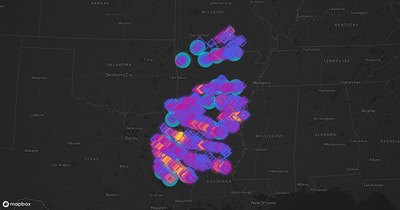
Explore the full Springdale, AR Strike Map free – hail track, address overlay, and CSV download. No account required.
Try the Free Demo →