Keyes, OK Hail Storm – June 2025
June 30, 2025 hail storm near Keyes, OK. Radar-confirmed hail track and contractor lead lists available.
Max Hail
2"1.5" est.
confirmed
Zones
5
NWS alerts
Radar
136
dual-pol hits
Spotter
1
field reports
NWS WARNING AREA · Keyes Metro · Jun 30, 2025
Intelligence Platform
StormSnipe Pro
$49/ mo
Cancel anytime · No contracts
›All 50 states
›No zone limits
›No per-event fees
Subscribe to Pro
Pro renews monthly until canceled · Cancel anytime in the billing portal
What's included
Instant delivery
Every storm published within hours of NOAA confirmation.
Interactive Strike Map
Full radar-confirmed hail track on an interactive map.
Address CSV export
Every affected residential address, export-ready.
Smart alerts
Notified when a storm hits your area. Set zones once.
Nationwide coverage
All 50 states. No zone restrictions. No geographic caps.
Live pipeline
NOAA NEXRAD processed and delivered 24/7.
Address data notice
Pro coverage in California, Vermont, and Oregon includes the confirmed hail track and Strike Map only — no address lists. State data-privacy law treats compiled address lists differently in those three states, so we exclude their addresses from extraction and delivery.
NWS WARNING AREAS · 5
This storm generated 5 NWS alert zones. Pro access covers the complete storm track and all addresses across every zone.
ZONE 1NWS AMA
Keyes, OK
Dual-Pol Radar
47 addresses in warning area
Alert issued Mon, Jun 30 · 12:14 AM UTC
1.75"
confirmed
1"
est. (NWS)
ZONE 2NWS DDC
Richfield, KS
Dual-Pol Radar
23 addresses in warning area
Alert issued Mon, Jun 30 · 12:42 AM UTC
1.75"
confirmed
1"
est. (NWS)
ZONE 3NWS AMA
Guymon, OK
Dual-Pol Radar
185 addresses in warning area
Alert issued Mon, Jun 30 · 1:07 AM UTC
2"
confirmed
1"
est. (NWS)
ZONE 4NWS DDC
Lakin, KS
Dual-Pol Radar
1,374 addresses in warning area
Alert issued Mon, Jun 30 · 3:55 AM UTC
1.75"
confirmed
1.5"
est. (NWS)
ZONE 5NWS DDC
Ulysses, KS
Dual-Pol Radar
31 addresses in warning area
Alert issued Mon, Jun 30 · 4:05 AM UTC
1.25"
confirmed
1.5"
est. (NWS)
Keyes, OK saw a concluded hail event on June 30, 2025, with 1-inch hail at peak intensity. The storm moved through the area in the early evening and produced two NWS alert periods tied to dual-polarization radar confidence.
What Happened
The storm produced two separate alert windows over Keyes on June 30. The first came at 7:14 PM CDT, with 1-inch hail tied to dual-polarization radar confidence. A second alert followed at 8:07 PM CDT, again showing 1-inch hail from radar detection.
The event remained a multi-zone storm report rather than a single isolated burst. The alert sequence points to repeated hail-producing cores within the same storm track across the evening hours. The storm is now concluded.
Damage Assessment
One-inch hail can affect roofs, vents, skylights, gutters, exterior trim, and vehicle surfaces. On older asphalt roofs, shingles may show bruising, granule loss, or cracked tabs. Metal components often show dents before softer surfaces show visible loss.
For contractors, the field picture often starts with slope roofs, ridge caps, and soft metal flashings. The hail size in this event supports close inspection of field shingles, pipe boots, downspouts, and window screens. Vehicles parked outdoors may show impact marks on horizontal panels and mirrors.
Inspection should stay specific to the path of the storm and the age of the materials involved. Newer roofing systems may show fewer immediate surface breaks. Older roofs may show more obvious impact marks, especially on south- and west-facing slopes exposed during the evening track.
What Contractors Should Know
The June 30 storm gives contractors a clear one-inch hail benchmark for post-storm triage in and around Keyes. Start with the roof planes most exposed to the storm approach, then move to soft metals, penetrations, and accessories. Document impact patterns with close photos and wide context shots. Match each finding to the roof slope, elevation, and material type.
Ground visits should account for scattered damage rather than uniform failure. One-inch hail often leaves mixed results across the same property. One section may show obvious bruising while another remains serviceable. That pattern is common on composite shingles, modified bitumen, and attached metal trim. Crews should check skylights, condensers, fence tops, and painted trim on nearby structures when the roof shows repeated impact signs.
For claim preparation, capture the date, time, and exact property address before any repair work begins. Keep notes on directional exposure, slope condition, and whether marks are fresh or weathered. In multi-zone storms like this one, nearby properties may show different levels of impact even within the same warning area.
Use the Strike Map for precise hail track data across the Keyes event.
Storm Details
- Start Date
- Sunday, June 29, 2025
- Last Activity
- Sunday, June 29, 2025
- Location
- Keyes, OK
- Warning Areas
- 5
- Dual-Pol Radar
- 136
- Spotter Reports
- 1
Preview Strike Map
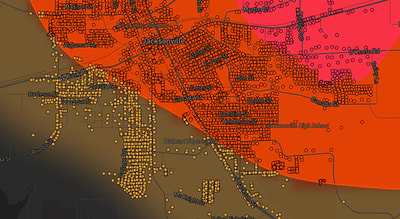
See exactly what you get.
Explore the full Springdale, AR Strike Map free – hail track, address overlay, and CSV download. No account required.
Try the Free Demo →