Corona, NM Hail Storm – June 2025
June 30, 2025 hail storm near Corona, NM. Radar-confirmed hail track and contractor lead lists available.
Max Hail
2.75"1.5" est.
confirmed
Zones
7
NWS alerts
Radar
132
dual-pol hits
Spotter
–
field reports
NWS WARNING AREA · Corona Metro · Jun 30, 2025
Intelligence Platform
StormSnipe Pro
$49/ mo
Cancel anytime · No contracts
›All 50 states
›No zone limits
›No per-event fees
Subscribe to Pro
Pro renews monthly until canceled · Cancel anytime in the billing portal
What's included
Instant delivery
Every storm published within hours of NOAA confirmation.
Interactive Strike Map
Full radar-confirmed hail track on an interactive map.
Address CSV export
Every affected residential address, export-ready.
Smart alerts
Notified when a storm hits your area. Set zones once.
Nationwide coverage
All 50 states. No zone restrictions. No geographic caps.
Live pipeline
NOAA NEXRAD processed and delivered 24/7.
Address data notice
Pro coverage in California, Vermont, and Oregon includes the confirmed hail track and Strike Map only — no address lists. State data-privacy law treats compiled address lists differently in those three states, so we exclude their addresses from extraction and delivery.
NWS WARNING AREAS · 7
This storm generated 7 NWS alert zones. Pro access covers the complete storm track and all addresses across every zone.
ZONE 1NWS ABQ
Corona, NM
Dual-Pol Radar
30 addresses in warning area
Alert issued Mon, Jun 30 · 5:29 PM UTC
2.75"
confirmed
1.5"
est. (NWS)
ZONE 2NWS ABQ
Santa Fe, NM
Dual-Pol Radar
1,428 addresses in warning area
Alert issued Mon, Jun 30 · 6:01 PM UTC
1.25"
confirmed
1"
est. (NWS)
ZONE 3NWS ABQ
Stanley, NM
Dual-Pol Radar
3 addresses in warning area
Alert issued Mon, Jun 30 · 6:19 PM UTC
1.75"
confirmed
1"
est. (NWS)
ZONE 4NWS ABQ
Moriarty, NM
Dual-Pol Radar
24 addresses in warning area
Alert issued Mon, Jun 30 · 6:34 PM UTC
1.75"
confirmed
1"
est. (NWS)
ZONE 5NWS ABQ
Stanley, NM
Dual-Pol Radar
211 addresses in warning area
Alert issued Mon, Jun 30 · 7:18 PM UTC
1.75"
confirmed
1"
est. (NWS)
ZONE 6NWS EPZ
Orogrande, NM
Dual-Pol Radar
6 addresses in warning area
Alert issued Mon, Jun 30 · 8:27 PM UTC
1.5"
confirmed
1"
est. (NWS)
ZONE 7NWS ABQ
Magdalena, NM
Dual-Pol Radar
316 addresses in warning area
Alert issued Mon, Jun 30 · 10:46 PM UTC
1.75"
confirmed
1"
est. (NWS)
Corona, NM saw a concluded hail storm on June 30, 2025, with verified hail up to 1.5 inches. Six NWS alert areas tracked the event from late morning into late afternoon.
What Happened
The first alert came at 11:29 AM MDT, when dual-polarization radar indicated 1.5-inch hail near Corona. Four follow-up alerts kept the hail size at 1 inch at 12:01 PM MDT, 12:19 PM MDT, 12:34 PM MDT, and 1:18 PM MDT. A later alert at 4:46 PM MDT again held the hail estimate at 1 inch.
The sequence shows a long-lived hail threat across the Corona area through the day. Radar confidence remained tied to dual-polarization detection in each alert. The storm was concluded by the time this report was assembled.
Damage Assessment
Hail at 1.5 inches can dent roofs, bruise siding, and break weaker window glass. It also raises the chance of visible impact on vehicles, especially on horizontal surfaces and older paint.
The repeated 1-inch hail alerts point to a broader hail swath, not a single brief burst. Roof systems with aged shingles, soft metal trim, and exposed rooftop equipment are the first items to check in the field. Light commercial properties, outbuildings, and agricultural structures can also show scattered impact marks, loose granules, and torn screens after a storm in this size range.
Inspect for roof hits at vents, ridges, pipe boots, and edges where hail impacts often leave the clearest marks. On vehicles, check hoods, roofs, mirrors, and windshields for dings, chips, and cracking. In open areas, note damage to skylights, polycarbonate panels, and any exterior finish that shows fresh circular impact points.
What Contractors Should Know
Start with the largest hail size and work down through the affected area. In Corona, the 1.5-inch peak near the start of the event deserves the first inspection priority, followed by locations that sat under the later 1-inch alerts through the afternoon. Record roof slope, material type, impact density, and any matching collateral damage on siding, vents, and metal fixtures.
Use the alert times to narrow the canvass window. Mid-morning roof hits may line up with earlier calls from property owners, while late afternoon checks can capture delayed discovery on vehicles, detached structures, and exterior trim. Keep photo sets clean and location-specific. Separate impact evidence from wear, and note whether marks are fresh or pre-existing.
For bid accuracy, compare visible field damage with the warning area and the storm timeline before assigning crews. Larger hail does not always produce uniform damage across every block, so document each property on its own terms and keep measurements tied to the observed surface conditions.
Use the Strike Map for precise hail track data.
Storm Details
- Start Date
- Monday, June 30, 2025
- Last Activity
- Monday, June 30, 2025
- Location
- Corona, NM
- Warning Areas
- 7
- Dual-Pol Radar
- 132
- Spotter Reports
- --
Preview Strike Map
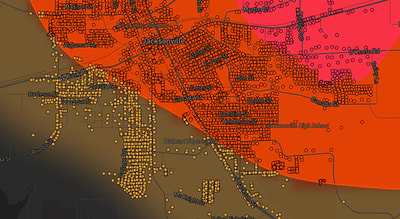
See exactly what you get.
Explore the full Springdale, AR Strike Map free – hail track, address overlay, and CSV download. No account required.
Try the Free Demo →