Fort Hancock, TX Hail Storm – July 2025
July 6, 2025 hail storm near Fort Hancock, TX. Radar-confirmed hail track and contractor lead lists available.
Max Hail
2"1.25" est.
confirmed
Zones
2
NWS alerts
Radar
9
dual-pol hits
Spotter
–
field reports
NWS WARNING AREA · Fort Hancock Metro · Jul 6, 2025
Intelligence Platform
StormSnipe Pro
$49/ mo
Cancel anytime · No contracts
›All 50 states
›No zone limits
›No per-event fees
Subscribe to Pro
Pro renews monthly until canceled · Cancel anytime in the billing portal
What's included
Instant delivery
Every storm published within hours of NOAA confirmation.
Interactive Strike Map
Full radar-confirmed hail track on an interactive map.
Address CSV export
Every affected residential address, export-ready.
Smart alerts
Notified when a storm hits your area. Set zones once.
Nationwide coverage
All 50 states. No zone restrictions. No geographic caps.
Live pipeline
NOAA NEXRAD processed and delivered 24/7.
Address data notice
Pro coverage in California, Vermont, and Oregon includes the confirmed hail track and Strike Map only — no address lists. State data-privacy law treats compiled address lists differently in those three states, so we exclude their addresses from extraction and delivery.
NWS WARNING AREAS · 2
This storm generated 2 NWS alert zones. Pro access covers the complete storm track and all addresses across every zone.
ZONE 1NWS EPZ
Fort Hancock, TX
Dual-Pol Radar
28 addresses in warning area
Alert issued Sun, Jul 6 · 11:52 PM UTC
2"
confirmed
1.25"
est. (NWS)
ZONE 2NWS EPZ
Fort Hancock, TX
Dual-Pol Radar
3 addresses in warning area
Alert issued Mon, Jul 7 · 1:57 AM UTC
1.5"
confirmed
1"
est. (NWS)
Fort Hancock, TX saw a concluded hail storm on July 6, 2025, with a peak confirmed hail size of 1.25 inches. The event produced two hail alerts across the evening.
What Happened
The first hail alert came at 6:52 PM CDT, with dual-polarization radar support for 1.25-inch hail. A second alert followed at 8:57 PM CDT with 1-inch hail confidence. Both alerts placed Fort Hancock in a hail-producing storm corridor during the evening hours.
The storm was concluded by the time the event was compiled. The alert sequence shows a hail threat that held together for several hours, with the larger hail signal appearing first and a smaller hail signal later in the same storm period.
Damage Assessment
Hail up to 1.25 inches can affect roofs, vents, gutters, soft metal trim, and exterior coatings. Metal panels can show impact marks. Asphalt shingles can lose granules or show bruising that is not visible from the ground. Skylights and older window screens may also take damage.
For commercial buildings, check roof penetrations, HVAC housings, drains, and exposed conduit. On low-slope roofs, impact marks may be scattered and easy to miss without a close inspection. On homes, the first review should cover ridge caps, ridge vents, flashing, and the north and west sides of the roof if wind drove the hail across the structure.
The 1-inch alert later in the event still supports a broad inspection area. Smaller hail can leave lighter roof wear, screen damage, and marks on siding, but it can also accompany larger hail in nearby parts of the same storm track.
What Contractors Should Know
Field crews should start with roof surfaces, then move to gutters, downspouts, vents, and any exposed soft metal. In Fort Hancock, a multi-alert hail event like this should prompt close checks on homes, retail roofs, farm structures, and utility buildings within the warning area. Look for collateral strikes on siding, fence tops, patio covers, and vehicle surfaces.
Document each property with date-stamped photos, hail size notes, and visible impact patterns before cleanup begins. If a roof shows no obvious punctures, do not stop at a ground-level pass. Bruising, lifted tabs, cracked seal strips, and soft-metal dents often appear after a full walk and a closer roof inspection. Separate the properties with obvious impact indicators from those with only light cosmetic marks.
Crews working post-storm should also verify whether any interior leaks followed the hail. Stains around ceiling penetrations, attic moisture, and displaced insulation can point to roof openings that are not visible from outside. On metal buildings, check fasteners, seams, and lap joints for impact-related loosening.
For claim support, keep the property list tied to the storm timing. The first alert at 6:52 PM CDT and the later alert at 8:57 PM CDT help anchor the inspection window. Use those times when organizing canvass routes, photo logs, and repair estimates.
Storm Details
- Start Date
- Sunday, July 6, 2025
- Last Activity
- Sunday, July 6, 2025
- Location
- Fort Hancock, TX
- Warning Areas
- 2
- Dual-Pol Radar
- 9
- Spotter Reports
- --
Preview Strike Map
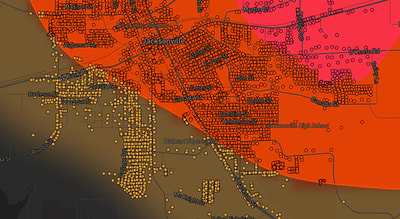
See exactly what you get.
Explore the full Springdale, AR Strike Map free – hail track, address overlay, and CSV download. No account required.
Try the Free Demo →