Calhan, CO Hail Storm – July 2025
July 10, 2025 hail storm near Calhan, CO. Radar-confirmed hail track and contractor lead lists available.
Max Hail
3.5"1.75" est.
confirmed
Zones
2
NWS alerts
Radar
60
dual-pol hits
Spotter
–
field reports
NWS WARNING AREA · Calhan Metro · Jul 10, 2025
Intelligence Platform
StormSnipe Pro
$49/ mo
Cancel anytime · No contracts
›All 50 states
›No zone limits
›No per-event fees
Subscribe to Pro
Pro renews monthly until canceled · Cancel anytime in the billing portal
What's included
Instant delivery
Every storm published within hours of NOAA confirmation.
Interactive Strike Map
Full radar-confirmed hail track on an interactive map.
Address CSV export
Every affected residential address, export-ready.
Smart alerts
Notified when a storm hits your area. Set zones once.
Nationwide coverage
All 50 states. No zone restrictions. No geographic caps.
Live pipeline
NOAA NEXRAD processed and delivered 24/7.
Address data notice
Pro coverage in California, Vermont, and Oregon includes the confirmed hail track and Strike Map only — no address lists. State data-privacy law treats compiled address lists differently in those three states, so we exclude their addresses from extraction and delivery.
NWS WARNING AREAS · 2
This storm generated 2 NWS alert zones. Pro access covers the complete storm track and all addresses across every zone.
ZONE 1NWS PUB
Calhan, CO
Dual-Pol Radar
450 addresses in warning area
Alert issued Thu, Jul 10 · 7:52 PM UTC
1"
confirmed
1"
est. (NWS)
ZONE 2NWS BOU
Gill, CO
Dual-Pol Radar
1,064 addresses in warning area
Alert issued Thu, Jul 10 · 10:56 PM UTC
3.5"
confirmed
1.75"
est. (NWS)
Calhan, Colorado saw a concluded hail storm on July 10, 2025, with a maximum confirmed hail size of 1 inch. The storm produced a single NWS alert area with radar-derived hail confidence near 1:52 PM MDT.
What Happened
The storm moved through the Calhan area during the early afternoon on July 10. The only alert tied to this event came at 1:52 PM MDT, or 19:52 UTC, with a 1-inch hail call supported by dual-polarization radar.
That alert covered the storm’s hail threat in the warning area. No additional alert segments were listed for this single-zone event. The storm is concluded.
The peak hail size for the event was 1 inch. That places the storm in the small to moderate hail range for property exposure, with the main concern centered on exposed surfaces, soft metals, and unprotected exterior finishes.
Damage Assessment
One-inch hail can damage asphalt shingles, roof vents, skylights, gutters, trim, and siding. Impact marks may be scattered or limited to the most exposed sides of a structure, depending on wind direction and roof pitch.
Vehicles parked outside are often the clearest indicator of hail impact at this size. Dents may be visible on hoods, roofs, mirrors, and window moldings. On newer roofs, the damage may be subtle at first, with displaced granules, bruising, or localized shingle wear appearing before leaks develop.
In Calhan, the report supports a narrow hail event rather than a broad high-end outbreak. Field teams should expect variable impact across individual addresses, especially where trees, fences, or adjacent buildings reduced direct exposure. Metal roofs, vent caps, and exterior HVAC components merit close inspection.
Interior water intrusion is less common from a single 1-inch hail burst, but broken seals, cracked flashing, and disturbed shingles can create delayed leak claims. Contractors should document roof slopes, siding faces, window screens, and vehicle exposure separately. Photos taken immediately after the event carry the most value in later claim review.
What Contractors Should Know
Start with a roof walk on the windward side and the most exposed elevations. Check for bruised shingles, lifted edges, fractured ridge material, and collateral strikes on vents, pipe boots, and soft metals. On steeper pitches, look for concentrated impacts along edges, valleys, and penetrations rather than uniform field damage.
Ground-level evidence matters on a 1-inch event. Inspect gutters, downspouts, fascia, AC fins, and garage doors. On homes with older paint or oxidized siding, hail marks can blend into prior wear, so compare impact patterns across elevations before drawing conclusions. If the property has vehicles present during the storm, note whether dents align with roof and siding impacts.
Keep the inspection tied to the event timing. The alert at 1:52 PM MDT anchors the hail window for claim files, photo logs, and repair estimates. If multiple structures sit in the same block, document each address separately because small hail storms often produce uneven damage across short distances.
Storm Details
- Start Date
- Thursday, July 10, 2025
- Last Activity
- Thursday, July 10, 2025
- Location
- Calhan, CO
- Warning Areas
- 2
- Dual-Pol Radar
- 60
- Spotter Reports
- --
Preview Strike Map
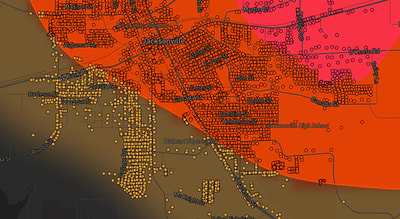
See exactly what you get.
Explore the full Springdale, AR Strike Map free – hail track, address overlay, and CSV download. No account required.
Try the Free Demo →