Roswell, NM Hail Storm – July 2025
July 14, 2025 hail storm near Roswell, NM. Radar-confirmed hail track and contractor lead lists available.
Max Hail
2.25"1.25" est.
confirmed
Zones
2
NWS alerts
Radar
22
dual-pol hits
Spotter
–
field reports
NWS WARNING AREA · Roswell Metro · Jul 14, 2025
Intelligence Platform
StormSnipe Pro
$49/ mo
Cancel anytime · No contracts
›All 50 states
›No zone limits
›No per-event fees
Subscribe to Pro
Pro renews monthly until canceled · Cancel anytime in the billing portal
What's included
Instant delivery
Every storm published within hours of NOAA confirmation.
Interactive Strike Map
Full radar-confirmed hail track on an interactive map.
Address CSV export
Every affected residential address, export-ready.
Smart alerts
Notified when a storm hits your area. Set zones once.
Nationwide coverage
All 50 states. No zone restrictions. No geographic caps.
Live pipeline
NOAA NEXRAD processed and delivered 24/7.
Address data notice
Pro coverage in California, Vermont, and Oregon includes the confirmed hail track and Strike Map only — no address lists. State data-privacy law treats compiled address lists differently in those three states, so we exclude their addresses from extraction and delivery.
NWS WARNING AREAS · 2
This storm generated 2 NWS alert zones. Pro access covers the complete storm track and all addresses across every zone.
ZONE 1NWS ABQ
Roswell, NM
Dual-Pol Radar
2 addresses in warning area
Alert issued Mon, Jul 14 · 9:52 AM UTC
1.25"
confirmed
1"
est. (NWS)
ZONE 2NWS ABQ
Roswell, NM
Dual-Pol Radar
3 addresses in warning area
Alert issued Mon, Jul 14 · 9:57 AM UTC
2.25"
confirmed
1.25"
est. (NWS)
Roswell, NM saw a concluded hail event on July 14, 2025, with a maximum confirmed hail size of 1.25 inches. The storm produced two hail alerts in quick succession across the Roswell metro.
What Happened
The first alert came at 3:52 AM MDT with 1-inch hail indicated by dual-polarization radar confidence. A second alert followed at 3:57 AM MDT and raised the hail size to 1.25 inches. Both alerts fell within a five-minute window, which points to a brief but focused hail-producing core moving through the area before the event ended.
This was a multi-zone aggregate report for the Roswell metro. The alert sequence shows a short escalation from severe hail to larger hail within the same storm period. The final verified peak for the event was 1.25 inches.
Damage Assessment
Hail in the 1-inch to 1.25-inch range can produce roof granule loss, soft metal dents, and broken screens. Vehicles parked outdoors can show denting on hoods, roofs, and horizontal surfaces. Skylights and roof penetrations are also common inspection points after a storm of this size.
For residential roofs, the most common field checks are asphalt shingle impact marks, bruising, displaced tabs, and damage at vents, ridge caps, and flashing. On commercial properties, technicians should inspect membrane seams, HVAC units, gutters, downspouts, and curb-mounted equipment. In this size range, damage can be patchy and easier to miss from the ground.
The short alert window matters for routing and inspection timing. A brief hail core can leave a narrow band of concentrated impacts while nearby addresses see lighter exposure. That creates mixed field conditions across the metro and within the same service route.
What Contractors Should Know
Use the 3:52 AM MDT and 3:57 AM MDT alert times to narrow canvass priority in the Roswell metro. The early-morning timing also means many properties may not have had immediate visual checks, so roof and exterior claims can surface later in the day. Start with addresses closest to the storm path and move outward in a tight inspection grid.
Expect a mix of cosmetic and functional damage. On homes, focus on shingle slopes facing the hail path, ridge components, vents, and soft metals. On light commercial sites, check HVAC fins, pipe collars, gutters, and unit housings. Document strike patterns, control areas, and slope-by-slope variability with clear photos. Consistent roof pitch, siding type, and vehicle exposure can change the visible loss pattern from one block to the next.
Track the address list against the alert window rather than the broader metro headline. A storm that peaks at 1.25 inches can still produce uneven conditions across short distances, and claim volume may cluster around the strongest part of the hail band. Crews should verify access, note secondary water intrusion risks, and flag properties with repeat exposure from earlier summer storms.
Storm Details
- Start Date
- Monday, July 14, 2025
- Last Activity
- Monday, July 14, 2025
- Location
- Roswell, NM
- Warning Areas
- 2
- Dual-Pol Radar
- 22
- Spotter Reports
- --
Preview Strike Map
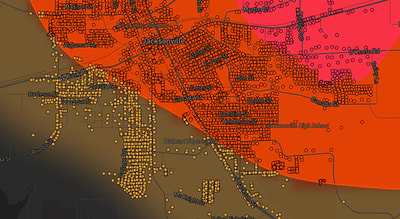
See exactly what you get.
Explore the full Springdale, AR Strike Map free – hail track, address overlay, and CSV download. No account required.
Try the Free Demo →