Atwood, KS Hail Storm – July 2025
July 16, 2025 hail storm near Atwood, KS. Radar-confirmed hail track and contractor lead lists available.
Max Hail
2"1" est.
confirmed
Zones
1
NWS alerts
Radar
8
dual-pol hits
Spotter
–
field reports
NWS WARNING AREA · Atwood Metro · Jul 16, 2025
Intelligence Platform
StormSnipe Pro
$49/ mo
Cancel anytime · No contracts
›All 50 states
›No zone limits
›No per-event fees
Subscribe to Pro
Pro renews monthly until canceled · Cancel anytime in the billing portal
What's included
Instant delivery
Every storm published within hours of NOAA confirmation.
Interactive Strike Map
Full radar-confirmed hail track on an interactive map.
Address CSV export
Every affected residential address, export-ready.
Smart alerts
Notified when a storm hits your area. Set zones once.
Nationwide coverage
All 50 states. No zone restrictions. No geographic caps.
Live pipeline
NOAA NEXRAD processed and delivered 24/7.
Address data notice
Pro coverage in California, Vermont, and Oregon includes the confirmed hail track and Strike Map only — no address lists. State data-privacy law treats compiled address lists differently in those three states, so we exclude their addresses from extraction and delivery.
NWS WARNING AREA
NWS GLD
Atwood, KS
Dual-Pol Radar
Alert issued Wed, Jul 16 · 1:42 AM UTC
2"
confirmed
1"
est. (NWS)
Atwood, KS saw a concluded severe hail event on July 16, 2025, with peak hail verified at 1 inch. The storm crossed the warning area during the evening hours and produced a narrow hail swath.
What Happened
The only NWS alert tied to this storm came at 8:42 PM CDT on July 16, 2025, with a 1-inch hail threat for the Atwood area. Dual-polarization radar supported the hail call with high confidence. The event later concluded, and no additional hail alerts were listed for this zone.
The timing fits a late-evening storm mode. Hail reports were centered on the Atwood area within the broader warning area, with radar data showing a localized hail signature rather than a widespread hail field. The alert covered the storm as it moved through the county and brought the peak hail size to the 1-inch range.
Damage Assessment
One-inch hail can break vulnerable roof materials, damage soft metals, and mark vehicles left outside. It can also leave dents on siding, trim, gutters, and outdoor equipment. On a single-zone event like this, the main concern is concentrated impact along the hail path rather than broad community-wide loss.
For residential roofs, the most common issues are bruised shingles, displaced granules, and cosmetic damage to vents and flashing. Damage is more likely on older roofs, aging asphalt shingles, and surfaces already worn by prior weather. For vehicles, one-inch hail is enough to leave visible dents on hoods, roofs, and side panels, especially if the storm arrived with little warning.
Commercial properties in the Atwood area should check metal roof seams, skylights, HVAC housings, and exposed rooftop units. Small punctures are not the norm at this size, but repeated strikes can still create repair calls, water entry points, and follow-on claims. Contractors should also expect scattered calls for gutter separation, screen damage, and patio cover impact.
What Contractors Should Know
Field work should start with a narrow inspection path centered on the evening hail track. Prioritize steep-slope roofs, low-slope membrane edges, and any property that reported direct exterior impact from vehicles or patio surfaces. Look for granule loss, soft bruising, cracked vents, chipped paint on metal trim, and dent patterns that match the storm timing.
Document the age and condition of each roof before tying damage to the hail event. One-inch hail does not produce the same failure pattern across every structure. The strongest candidates for service calls are older asphalt roofs, unprotected auto lots, and light-gauge exterior fixtures. Crews should also note whether damage is isolated or repeated across adjoining properties, since that often shapes the inspection route and estimate volume.
On commercial jobs, focus on mechanical units, edge metal, and roof accessories first. Bring close-up photos of impact marks and wide shots that place each property inside the storm path. For residential canvass, concise documentation works best. List the surface type, observed impact, and estimated repair class without adding broad damage assumptions.
Storm Details
- Start Date
- Tuesday, July 15, 2025
- Last Activity
- Tuesday, July 15, 2025
- Location
- Atwood, KS
- Warning Areas
- 1
- Dual-Pol Radar
- 8
- Spotter Reports
- --
Preview Strike Map
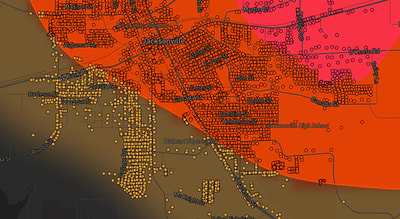
See exactly what you get.
Explore the full Springdale, AR Strike Map free – hail track, address overlay, and CSV download. No account required.
Try the Free Demo →