Fort Stockton, TX Hail Storm – July 2025
July 16, 2025 hail storm near Fort Stockton, TX. Radar-confirmed hail track and contractor lead lists available.
Max Hail
1.5"1" est.
confirmed
Zones
1
NWS alerts
Radar
6
dual-pol hits
Spotter
–
field reports
NWS WARNING AREA · Fort Stockton Metro · Jul 16, 2025
Intelligence Platform
StormSnipe Pro
$49/ mo
Cancel anytime · No contracts
›All 50 states
›No zone limits
›No per-event fees
Subscribe to Pro
Pro renews monthly until canceled · Cancel anytime in the billing portal
What's included
Instant delivery
Every storm published within hours of NOAA confirmation.
Interactive Strike Map
Full radar-confirmed hail track on an interactive map.
Address CSV export
Every affected residential address, export-ready.
Smart alerts
Notified when a storm hits your area. Set zones once.
Nationwide coverage
All 50 states. No zone restrictions. No geographic caps.
Live pipeline
NOAA NEXRAD processed and delivered 24/7.
Address data notice
Pro coverage in California, Vermont, and Oregon includes the confirmed hail track and Strike Map only — no address lists. State data-privacy law treats compiled address lists differently in those three states, so we exclude their addresses from extraction and delivery.
NWS WARNING AREA
NWS MAF
Fort Stockton, TX
Dual-Pol Radar
3 addresses in warning area
Alert issued Wed, Jul 16 · 8:13 PM UTC
1.5"
confirmed
1"
est. (NWS)
Fort Stockton, TX saw a concluded hail storm on July 16, 2025, with peak hail verified at 1 inch. The storm passed through the city in the afternoon and produced a narrow hail swath across the warning area.
What Happened
The National Weather Service issued one severe thunderstorm alert for this storm at 3:13 PM CDT on July 16. The alert called for 1-inch hail. Dual-polarization radar data provided the hail confidence behind that alert.
The storm remained a single-zone event. No additional alert areas were tied to this hail report. The event is now concluded.
Damage Assessment
One-inch hail is large enough to dent softer metals, crack older roofing materials, and leave impact marks on vehicles, skylights, and exposed HVAC equipment. The highest risk remains on light-gauge metal roofs, window screens, plastic vent covers, and vehicles left outdoors without cover.
Property outcomes depend on roof age, slope, and prior wear. Fresh asphalt shingles may show scattered granule loss or bruising. Older shingles can take more visible shingle surface damage. Metal siding and trim can show impact marks even when broader structural damage is limited.
The most common field checks after a 1-inch hail event focus on roof slopes, roof penetrations, gutters, downspouts, exterior wraps, condensers, and soft metals around fascia and flashing. Vehicles in the open lot often show the clearest hail signature first.
What Contractors Should Know
This event supports a focused canvass in Fort Stockton rather than a broad countywide search. Start with the warning area tied to the 3:13 PM CDT alert and work outward only as field evidence supports it. Prioritize homes with older shingles, low-slope roof sections, detached metal buildings, and properties with exposed rooftop mechanicals.
Photo documentation should be tight and location-specific. Capture impact marks on vents, drip edge, gutters, and any patterned bruising on shingles. For vehicle claims, look for uniform pitting across horizontal panels, mirrors, and hood surfaces. One-inch hail often leaves mixed damage, so close inspection matters more than distance from the storm core.
Crews should also note whether the property sits on the windward side of the storm path or under any tree cover that may have reduced direct impact. That context helps separate isolated cosmetic marks from broader hail exposure. Timing matters as well. Exterior surfaces can be cleaned or repaired quickly after a storm, so early inspection improves the record.
Use the Strike Map for precise hail track data across the Fort Stockton hail event.
Storm Details
- Start Date
- Wednesday, July 16, 2025
- Last Activity
- Wednesday, July 16, 2025
- Location
- Fort Stockton, TX
- Warning Areas
- 1
- Dual-Pol Radar
- 6
- Spotter Reports
- --
Preview Strike Map
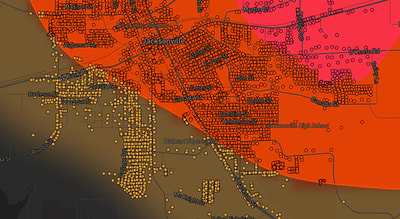
See exactly what you get.
Explore the full Springdale, AR Strike Map free – hail track, address overlay, and CSV download. No account required.
Try the Free Demo →