Higbee, MO Hail Storm – July 2025
July 16, 2025 hail storm near Higbee, MO. Radar-confirmed hail track and contractor lead lists available.
Max Hail
2.5"1" est.
confirmed
Zones
5
NWS alerts
Radar
212
dual-pol hits
Spotter
28
field reports
Dual-Pol Radar
Spotter Report
NWS Warning
NWS WARNING AREA · Higbee Metro · Jul 16, 2025 · Click a zone to highlight
PURCHASE THIS STORM
Full storm data delivered to all buyers. No slot limit.
By purchasing, you agree to our Terms of Service and acknowledge the Data Accuracy Disclaimer. Address lists are derived from NOAA radar and federal databases; inclusion does not guarantee property damage.
Pro gets 1-hour priority access
From $49/mo · Auto-delivered leads
NWS WARNING AREAS · 5
This storm generated 5 NWS alert zones. One purchase covers the complete storm track and all addresses across every zone.
ZONE 1NWS EAX
Higbee, MO
Dual-Pol Radar
Alert issued Wed, Jul 16 · 10:32 PM UTC
2.5"
confirmed
1"
est. (NWS)
ZONE 2NWS EAX
Clifton Hill, MO
Dual-Pol Radar
Alert issued Wed, Jul 16 · 11:40 PM UTC
2.25"
confirmed
1"
est. (NWS)
ZONE 3NWS EAX
Kansas City, MO
Dual-Pol Radar
34,691 addresses in warning area
Alert issued Thu, Jul 17 · 12:20 AM UTC
2"
confirmed
1"
est. (NWS)
ZONE 4NWS EAX
Armstrong, MO
Dual-Pol Radar
Alert issued Thu, Jul 17 · 12:38 AM UTC
2"
confirmed
1"
est. (NWS)
ZONE 5NWS EAX
Kansas City, MO
Dual-Pol Radar
179,837 addresses in warning area
Alert issued Thu, Jul 17 · 12:47 AM UTC
1.75"
confirmed
1"
est. (NWS)
What Happened
A severe hail storm moved through Higbee, Missouri, on July 16, 2025, producing 1-inch hail in a series of NWS alerts from late afternoon into the evening. The event included five hail alerts, all carrying radar and spotter-verified confidence.
The first alert came at 5:32 PM CDT with 1-inch hail. Additional alerts followed at 6:40 PM CDT, 7:20 PM CDT, 7:38 PM CDT, and 7:47 PM CDT, all holding the same hail size and confidence level. The timing points to a storm that remained organized across the Higbee area for more than two hours.
A ground report at 6:44 PM CDT described a downed tree and wires near Oak Street, with the time estimated from radar. The report listed 0.75-inch hail and was spotter-verified. That field report places measured surface impacts in the core of the event during the early evening.
Damage Assessment
The field report near Oak Street shows this was not just a hail-only pass. Tree and wire damage were documented in town, and the report came from a spotter-verified observation rather than a generic public note.
The 6:44 PM CDT report of a downed tree and wires near Oak Street points to concentrated wind or falling debris in the same window as the hail alerts. The reported 0.75-inch hail at that location came in below the later 1-inch alerts, which suggests variability across the storm path through Higbee.
For a small Missouri town, that mix of hail and line/tree impacts can leave a scattered damage pattern. Roof checks, siding inspection, and gutter review are warranted on the streets closest to the reported Oak Street impact area. Vehicles parked outdoors during the alert window should also be checked for glass and trim damage.
The warning sequence stayed consistent across the evening. Five separate alerts all carried the same hail size and verification level. That pattern supports a sustained hail threat rather than a single short-lived burst.
What Contractors Should Know
Higbee needs a close street-by-street look after this event. Start near the Oak Street report and work outward along the storm path through town. Focus on tree strike points, line contact, and roof edges where wind and hail often leave the first visible marks.
Look for asphalt granule loss, cracked ridge caps, bent flashing, and soft-metal bruising on vents and drip edge. On older homes in town, even a 1-inch hail event can produce uneven losses. Metal roofs, gutters, and downspouts should be checked for dent patterns that line up with the alert window.
Utility-related damage deserves attention here. The report of downed wires means contractors should watch for service drops, bracket failures, and secondary damage around the attachment points. Document each address with time-stamped photos and note whether the impact lines up with the 5:32 PM to 7:47 PM alert sequence.
Storm Details
- Start Date
- Wednesday, July 16, 2025
- Last Activity
- Thursday, July 17, 2025
- Location
- Higbee, MO
- Warning Areas
- 5
- Dual-Pol Radar
- 212
- Spotter Reports
- 28
StormSnipe Pro
BEST VALUENever miss a storm in your market.
Auto-delivered leads with 1-hour priority access before shared buyers. Set it and close more jobs.
$49
/mo
1 Zone
POPULAR
$99
/mo
5 Zones
$199
/mo
Unlimited
- 1-hour priority access before public
- Auto-delivered every storm in your market
- Interactive Strike Map + hail track
Cancel anytime · No commitment
Try Before You Buy
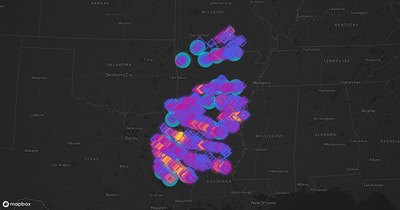
See exactly what you get.
Explore the full Springdale, AR Strike Map free – hail track, address overlay, and CSV download. No account required.
Try the Free Demo →