Del Norte, CO Hail Storm – July 2025
July 18, 2025 hail storm near Del Norte, CO. Radar-confirmed hail track and contractor lead lists available.
Max Hail
3.25"1.5" est.
confirmed
Zones
9
NWS alerts
Radar
166
dual-pol hits
Spotter
–
field reports
NWS WARNING AREA · Del Norte Metro · Jul 18, 2025
Intelligence Platform
StormSnipe Pro
$49/ mo
Cancel anytime · No contracts
›All 50 states
›No zone limits
›No per-event fees
Subscribe to Pro
Pro renews monthly until canceled · Cancel anytime in the billing portal
What's included
Instant delivery
Every storm published within hours of NOAA confirmation.
Interactive Strike Map
Full radar-confirmed hail track on an interactive map.
Address CSV export
Every affected residential address, export-ready.
Smart alerts
Notified when a storm hits your area. Set zones once.
Nationwide coverage
All 50 states. No zone restrictions. No geographic caps.
Live pipeline
NOAA NEXRAD processed and delivered 24/7.
Address data notice
Pro coverage in California, Vermont, and Oregon includes the confirmed hail track and Strike Map only — no address lists. State data-privacy law treats compiled address lists differently in those three states, so we exclude their addresses from extraction and delivery.
NWS WARNING AREAS · 9
This storm generated 9 NWS alert zones. Pro access covers the complete storm track and all addresses across every zone.
ZONE 1NWS PUB
Del Norte, CO
Dual-Pol Radar
1,149 addresses in warning area
Alert issued Fri, Jul 18 · 7:25 PM UTC
1.25"
confirmed
1"
est. (NWS)
ZONE 2NWS ABQ
Capitan, NM
Dual-Pol Radar
3 addresses in warning area
Alert issued Fri, Jul 18 · 7:58 PM UTC
1.75"
confirmed
1"
est. (NWS)
ZONE 3NWS PUB
Trinidad, CO
Dual-Pol Radar
3 addresses in warning area
Alert issued Fri, Jul 18 · 8:06 PM UTC
1.25"
confirmed
1"
est. (NWS)
ZONE 4NWS ABQ
Las Vegas, NM
Dual-Pol Radar
25 addresses in warning area
Alert issued Fri, Jul 18 · 10:42 PM UTC
1.75"
confirmed
1"
est. (NWS)
ZONE 5NWS ABQ
Raton, NM
Dual-Pol Radar
60 addresses in warning area
Alert issued Fri, Jul 18 · 11:14 PM UTC
3.25"
confirmed
1.5"
est. (NWS)
ZONE 6NWS ABQ
Raton, NM
Dual-Pol Radar
9 addresses in warning area
Alert issued Sat, Jul 19 · 12:02 AM UTC
2.25"
confirmed
1"
est. (NWS)
ZONE 7NWS PUB
Pritchett, CO
Dual-Pol Radar
Alert issued Sat, Jul 19 · 12:16 AM UTC
2.5"
confirmed
1.5"
est. (NWS)
ZONE 8NWS ABQ
Raton, NM
Dual-Pol Radar
Alert issued Sat, Jul 19 · 12:17 AM UTC
2.25"
confirmed
1"
est. (NWS)
ZONE 9NWS ABQ
Folsom, NM
Dual-Pol Radar
7 addresses in warning area
Alert issued Sat, Jul 19 · 12:20 AM UTC
2"
confirmed
1"
est. (NWS)
Del Norte, CO saw a concluded hail storm on July 18, 2025, with a maximum confirmed hail size of 1.5 inches. Three warning areas covered the event across the day.
What Happened
The first hail alert came at 1:25 PM MDT, with 1 inch hail flagged by dual-polarization radar. A second alert followed at 2:06 PM MDT, also for 1 inch hail. A later alert at 6:16 PM MDT raised the hail size to 1.5 inches. All three alerts carried dual-polarization radar confidence.
The storm produced multiple hail-producing periods rather than one isolated pulse. The early alert pair placed hail potential in the early afternoon. The 6:16 PM MDT alert marked the stronger late-day phase. The event is concluded.
Damage Assessment
Hail in the 1 inch range is enough to leave visible impact on softer exterior materials. It can mark asphalt shingles, dent gutters and downspouts, and leave bruising on exposed siding, screens, and roof accessories. Vehicles parked in the open can show roof and hood dents, especially on thinner panels.
The 1.5 inch peak increases the field risk on roofs and exterior trim. Larger hail stones can crack brittle shingles, break window screens, chip painted surfaces, and damage ridge caps, vents, skylights, and soft metals. Properties that took repeated passes from the storm may show mixed impact levels from one block to the next.
For contractors, the key point is the spread between the first two 1 inch alerts and the later 1.5 inch peak. That pattern calls for a roof-by-roof review, not a single-pass assumption. Exterior claims often depend on where the hail core tracked and which structures sat inside the heaviest path.
What Contractors Should Know
Start with roofs, gutters, and vehicle exposure in the areas that sat under the later alert window. Check slopes, ridges, penetrations, and soft metal components for fresh impact marks. Photograph slope-specific bruising, granule loss, and metal dents before cleanup begins. If there is mixed damage on the same property, separate the early-afternoon impact from the later, stronger hail period in the file notes.
Use field observations to sort likely claim value from cosmetic impact. Window screens, condensers, fence caps, mailbox tops, and trim often show the clearest hail signature on smaller events. On the larger end of this storm, look for broken seals, fractured accessories, and wider dent fields on metal surfaces. Coordinate inspections with visible storm timing, since a property inside the early alert area may not have the same exposure as one reached during the late-evening peak.
For route planning, focus crews on the warning areas that aligned with the 1.5 inch alert and leave a second pass available for properties with partial-tree cover or sheltered roof planes. Short field visits are usually enough to rule in or rule out obvious impact on harder surfaces, but roof evaluations need a slower pace and consistent photo angles.
Storm Details
- Start Date
- Friday, July 18, 2025
- Last Activity
- Friday, July 18, 2025
- Location
- Del Norte, CO
- Warning Areas
- 9
- Dual-Pol Radar
- 166
- Spotter Reports
- --
Preview Strike Map
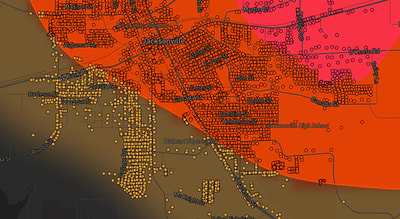
See exactly what you get.
Explore the full Springdale, AR Strike Map free – hail track, address overlay, and CSV download. No account required.
Try the Free Demo →