Circle, MT Hail Storm – July 2025
July 19, 2025 hail storm near Circle, MT. Radar-confirmed hail track and contractor lead lists available.
Max Hail
1.75"1" est.
confirmed
Zones
1
NWS alerts
Radar
8
dual-pol hits
Spotter
–
field reports
NWS WARNING AREA · Circle Metro · Jul 19, 2025
Intelligence Platform
StormSnipe Pro
$49/ mo
Cancel anytime · No contracts
›All 50 states
›No zone limits
›No per-event fees
Subscribe to Pro
Pro renews monthly until canceled · Cancel anytime in the billing portal
What's included
Instant delivery
Every storm published within hours of NOAA confirmation.
Interactive Strike Map
Full radar-confirmed hail track on an interactive map.
Address CSV export
Every affected residential address, export-ready.
Smart alerts
Notified when a storm hits your area. Set zones once.
Nationwide coverage
All 50 states. No zone restrictions. No geographic caps.
Live pipeline
NOAA NEXRAD processed and delivered 24/7.
Address data notice
Pro coverage in California, Vermont, and Oregon includes the confirmed hail track and Strike Map only — no address lists. State data-privacy law treats compiled address lists differently in those three states, so we exclude their addresses from extraction and delivery.
NWS WARNING AREA
NWS GGW
Circle, MT
Dual-Pol Radar
646 addresses in warning area
Alert issued Sat, Jul 19 · 12:50 PM UTC
1.75"
confirmed
1"
est. (NWS)
Circle, MT was hit by a concluded hail storm on July 19, 2025, with verified hail up to 1 inch. The event unfolded in the morning and produced a narrow hail swath across the local warning area.
What Happened
A single severe thunderstorm alert covered this storm at 6:50 AM MDT on July 19, 2025. The alert called for 1-inch hail and used dual-polarization radar confidence. No additional alerts were issued for this event.
The hail threat was brief and localized. Radar support came from a single warning polygon tied to the Circle area, with the storm already concluded by the time the public event record closed. The timing points to an early-morning hail episode rather than a longer-lived afternoon line.
Damage Assessment
Hail at 1 inch can leave visible impact on vehicles, siding, trim, vents, skylights, and soft roofing materials. In a single-zone storm like this one, damage is often uneven. One block can show clear impact while the next shows little or none.
Crews should expect roof marks that are easier to find on south- and west-facing slopes if the storm moved across the area with sun exposure afterward. Asphalt shingles may show bruising or granule loss without obvious surface failure. Metal components can show denting even when the roof covering appears intact. Window screens, exposed HVAC fins, and gutters can also carry the first visible signs.
For field work, treat this as a small but credible hail event. A 1-inch report is enough to justify close roof and exterior checks, especially on older properties or homes with previous weather wear. The damage pattern may be isolated to one side of a structure or one stretch of a subdivision.
What Contractors Should Know
Start with roofs, then work outward. In Circle, a morning hail event can leave a mix of wet surfaces and dry edges by the time inspections begin. That can make fresh impact marks easier to document on shingles, flashing, and soft metals. Photograph roof planes separately and log slope, elevation, and face direction. Keep notes on test squares where bruising is present without full material loss.
Ground-level inspection still matters. Check fence tops, AC condenser fins, downspouts, gutters, porch screens, and vehicle panels parked in the open. On a 1-inch event, the most efficient leads usually come from properties with exposed additions, older roofing, or multiple light-metal features. Tight canvassing works better than broad neighborhood assumptions.
Estimate should stay tied to observed conditions. Do not assume a full-roof claim from one confirmed hail size. Verify roof impacts, then compare to exterior metal strikes and accessory damage. If the roof field is clean but the soft metals are marked, document that split clearly in the inspection packet.
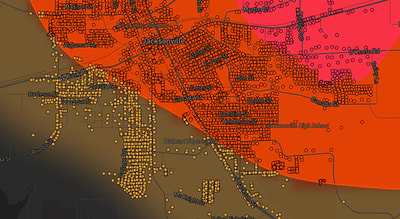
The Strike Map shows the precise hail track for this Circle, MT event.
Storm Details
- Start Date
- Saturday, July 19, 2025
- Last Activity
- Saturday, July 19, 2025
- Location
- Circle, MT
- Warning Areas
- 1
- Dual-Pol Radar
- 8
- Spotter Reports
- --
Preview Strike Map
See exactly what you get.
Explore the full Springdale, AR Strike Map free – hail track, address overlay, and CSV download. No account required.
Try the Free Demo →