Frederick, SD Hail Storm – July 2025
July 22, 2025 hail storm near Frederick, SD. Radar-confirmed hail track and contractor lead lists available.
Max Hail
4"2" est.
confirmed
Zones
7
NWS alerts
Radar
176
dual-pol hits
Spotter
–
field reports
NWS WARNING AREA · Frederick Metro · Jul 22, 2025
Intelligence Platform
StormSnipe Pro
$49/ mo
Cancel anytime · No contracts
›All 50 states
›No zone limits
›No per-event fees
Subscribe to Pro
Pro renews monthly until canceled · Cancel anytime in the billing portal
What's included
Instant delivery
Every storm published within hours of NOAA confirmation.
Interactive Strike Map
Full radar-confirmed hail track on an interactive map.
Address CSV export
Every affected residential address, export-ready.
Smart alerts
Notified when a storm hits your area. Set zones once.
Nationwide coverage
All 50 states. No zone restrictions. No geographic caps.
Live pipeline
NOAA NEXRAD processed and delivered 24/7.
Address data notice
Pro coverage in California, Vermont, and Oregon includes the confirmed hail track and Strike Map only — no address lists. State data-privacy law treats compiled address lists differently in those three states, so we exclude their addresses from extraction and delivery.
NWS WARNING AREAS · 7
This storm generated 7 NWS alert zones. Pro access covers the complete storm track and all addresses across every zone.
ZONE 1NWS ABR
Frederick, SD
Dual-Pol Radar
Alert issued Tue, Jul 22 · 3:26 PM UTC
2"
confirmed
1"
est. (NWS)
ZONE 2NWS ABR
Fort Pierre, SD
Dual-Pol Radar
Alert issued Tue, Jul 22 · 9:12 PM UTC
4"
confirmed
2"
est. (NWS)
ZONE 3NWS ABR
Norcross, MN
Dual-Pol Radar
Alert issued Wed, Jul 23 · 12:27 AM UTC
1.75"
confirmed
1"
est. (NWS)
ZONE 4NWS FGF
Norcross, MN
Dual-Pol Radar
Alert issued Wed, Jul 23 · 12:31 AM UTC
1.25"
confirmed
1.5"
est. (NWS)
ZONE 5NWS CYS
Douglas, WY
Dual-Pol Radar
Alert issued Wed, Jul 23 · 4:23 AM UTC
2.25"
confirmed
1"
est. (NWS)
ZONE 6NWS UNR
Newcastle, WY
Dual-Pol Radar
Alert issued Wed, Jul 23 · 5:11 AM UTC
2.25"
confirmed
1.25"
est. (NWS)
ZONE 7NWS UNR
Eagle Butte, SD
Dual-Pol Radar
Alert issued Wed, Jul 23 · 9:58 AM UTC
2.5"
confirmed
1"
est. (NWS)
Frederick, SD saw a concluded severe hail event on July 22, 2025. The storm produced a verified maximum hail size of 2 inches across four NWS alert areas.
What Happened
The first hail alert came at 10:26 AM CDT with 1-inch hail detected by dual-polarization radar confidence. The storm returned in the afternoon with a stronger hail signature. At 4:12 PM CDT, radar confidence supported 2-inch hail.
Two more alerts followed in the evening. At 7:27 PM CDT, the hail threat was again centered on 1-inch stones. Four minutes later, at 7:31 PM CDT, the hail estimate increased to 1.5 inches. The alert sequence shows repeated hail development through the day, with the strongest verified size occurring in late afternoon.
The storm remained a multi-zone hail producer rather than a single short-lived burst. The warning area expanded and shifted across the day as the hail core evolved. The radar-derived hail sizes were consistent with a storm that produced intermittent but severe hail impacts across more than one corridor.
Damage Assessment
Hail up to 2 inches can damage roofs, vents, soft metal, window screens, and exterior trim. It can also leave visible impact marks on siding, gutters, and paint. Smaller hail in the 1 to 1.5 inch range can still create scattered roof loss, bruised shingles, and dents on exposed metal surfaces.
For contractors, the mixed hail sizes matter. A 1-inch report in the morning does not rule out larger impacts later in the day. The 2-inch peak came from a later alert, which means property conditions may vary across the same town depending on which part of the storm path a structure sat under.
Field crews should expect uneven damage patterns. One block may show only cosmetic metal dents while another may have roof slope loss, ridge cap impact, or broken exterior fixtures. Document all elevations, roof planes, and soft metal components separately. Pay close attention to north- and west-facing exposures, skylights, and older asphalt roofs with prior wear.
This event also calls for close photo and measurement discipline. Compare roof slopes, note shingle granule loss, and record any collateral damage to gutters, downspouts, HVAC fins, or vehicle panels. Use the hail range, not a single size, when setting inspection priorities.
What Contractors Should Know
Start with the late afternoon hail reports and work backward. The 4:12 PM CDT 2-inch alert is the anchor point for this event, but the morning and evening alerts show the storm produced repeated hail. That makes mixed-condition properties likely inside the broader warning area. Crews should expect some homes to show only light impact while nearby structures carry more obvious roof and metal damage.
Prioritize roofs with steep slopes, aging asphalt, and exposed accessories. Check penetrations, ridge vents, soft metals, and any ancillary structures in the same path. In a multi-zone hail event, outbuildings, patios, mailboxes, and fencing often show damage where the main roof appears less affected. Keep inspection notes tied to time, address, and surface type so the field record stays consistent across the storm footprint.
Storm Details
- Start Date
- Tuesday, July 22, 2025
- Last Activity
- Wednesday, July 23, 2025
- Location
- Frederick, SD
- Warning Areas
- 7
- Dual-Pol Radar
- 176
- Spotter Reports
- --
Preview Strike Map
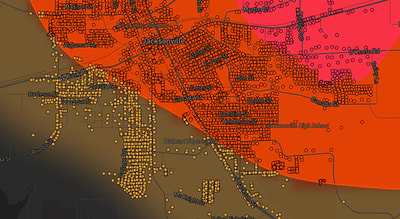
See exactly what you get.
Explore the full Springdale, AR Strike Map free – hail track, address overlay, and CSV download. No account required.
Try the Free Demo →