Markleeville, CA Hail Storm – July 2025
July 25, 2025 hail storm near Markleeville, CA. Radar-confirmed hail track and contractor lead lists available.
Max Hail
2.75"2" est.
confirmed
Zones
12
NWS alerts
Radar
426
dual-pol hits
Spotter
2
field reports
NWS WARNING AREA · Markleeville Metro · Jul 25, 2025
Intelligence Platform
StormSnipe Pro
$49/ mo
Cancel anytime · No contracts
›All 50 states
›No zone limits
›No per-event fees
Subscribe to Pro
Billed monthly · Cancel anytime
What's included
Instant delivery
Every storm published within hours of NOAA confirmation.
Interactive Strike Map
Full radar-confirmed hail track on an interactive map.
Address CSV export
Every affected residential address, export-ready.
Smart alerts
Notified when a storm hits your area. Set zones once.
Nationwide coverage
All 50 states. No zone restrictions. No geographic caps.
Live pipeline
NOAA NEXRAD processed and delivered 24/7.
NWS WARNING AREAS · 12
This storm generated 12 NWS alert zones. Pro access covers the complete storm track and all addresses across every zone.
ZONE 1NWS REV
Markleeville, CA
Dual-Pol Radar
Alert issued Fri, Jul 25 · 8:48 PM UTC
1.25"
confirmed
1"
est. (NWS)
ZONE 2NWS REV
Calpine, CA
Dual-Pol Radar
Alert issued Fri, Jul 25 · 9:35 PM UTC
1.25"
confirmed
1"
est. (NWS)
ZONE 3NWS EKA
Zenia, CA
Dual-Pol Radar
Alert issued Fri, Jul 25 · 9:37 PM UTC
2.5"
confirmed
1"
est. (NWS)
ZONE 4NWS REV
Westwood, CA
Dual-Pol Radar
Alert issued Fri, Jul 25 · 9:52 PM UTC
1.5"
confirmed
1"
est. (NWS)
ZONE 5NWS EKA
Platina, CA
Dual-Pol Radar
Alert issued Fri, Jul 25 · 10:05 PM UTC
2.5"
confirmed
1"
est. (NWS)
ZONE 6NWS REV
Susanville, CA
Dual-Pol Radar
Alert issued Fri, Jul 25 · 10:23 PM UTC
1.5"
confirmed
1"
est. (NWS)
ZONE 7NWS STO
Twain, CA
Dual-Pol Radar
Alert issued Fri, Jul 25 · 10:27 PM UTC
2.75"
confirmed
2"
est. (NWS)
ZONE 8NWS STO
Belden, CA
Dual-Pol Radar
Alert issued Fri, Jul 25 · 10:48 PM UTC
2.5"
confirmed
2"
est. (NWS)
ZONE 9NWS EKA
Mad River, CA
Dual-Pol Radar
Alert issued Fri, Jul 25 · 10:58 PM UTC
2.5"
confirmed
1.25"
est. (NWS)
ZONE 10NWS REV
Tahoe City, CA
Dual-Pol Radar
Alert issued Fri, Jul 25 · 11:28 PM UTC
1.75"
confirmed
1.25"
est. (NWS)
ZONE 11NWS EKA
Trinity Center, CA
Dual-Pol Radar
Alert issued Sat, Jul 26 · 12:20 AM UTC
2"
confirmed
1"
est. (NWS)
ZONE 12NWS EKA
Lewiston, CA
Dual-Pol Radar
Alert issued Sat, Jul 26 · 12:35 AM UTC
2"
confirmed
1"
est. (NWS)
Markleeville, CA saw a concluded hail event on July 25, 2025, with peak hail confirmed at 1.25 inches. The storm produced five NWS hail alerts through the afternoon and early evening.
What Happened
The first alert came at 1:48 PM PDT with 1-inch hail indicated by dual-polarization radar confidence. Three more 1-inch alerts followed at 2:35 PM, 2:52 PM, and 3:23 PM PDT. A final alert at 4:28 PM PDT raised the hail size to 1.25 inches and carried radar plus spotter verified confidence.
The sequence shows a persistent hail core that held organized structure for several hours. Early alerts stayed at the 1-inch threshold. The later report reached 1.25 inches after spotter confirmation. The storm was concluded by the time of this report.
The warning area covered multiple zones around Markleeville during the active period. Alert timing suggests repeated hail production from the same storm complex rather than a short-lived burst. Radar-derived confidence was present in the first four alerts. The final alert added direct spotter verification.
Damage Assessment
Hail in the 1-inch to 1.25-inch range can affect roofs, vents, skylights, vehicle glass, and soft metals. In a mountain community like Markleeville, exposure varies by slope, elevation, and roof pitch. Damage can be uneven within the same warning area.
The event included four 1-inch alerts before the 1.25-inch peak. That spread points to a hail swath with repeated stone size near the severe threshold before the larger report came in late afternoon. Contractors should expect mixed conditions across the impacted zones. Some properties may show only light impact. Others may have concentrated strikes on the windward side, ridge lines, and exposed parking areas.
Roof claims from this kind of event often center on bruised shingles, granule loss, dented flashing, and collateral hits to gutters or downspouts. Metal roofing, HVAC fins, and exterior trim can show visible impact where the hail reached the upper end of the range. On vehicles, roof and hood panels often show the clearest field evidence.
What Contractors Should Know
Start with the properties closest to the late-afternoon verified report and expand outward along the storm path. The 1.25-inch confirmed peak raises the inspection priority for steep-slope roofs, older asphalt systems, and homes with exposed metal components. Document impact by elevation, roof face, and side of structure. In this event, the repeated 1-inch alerts mean you should not limit inspections to the final verified zone.
Use a clean field workflow. Separate roof, exterior, and vehicle checks. Photograph soft metal dents, shingle bruising, and any concentrated impacts on ridge caps, vents, and gutters. In a town like Markleeville, access can vary by property and terrain, so track each address against the warning area and record whether visible damage is isolated or clustered. Keep notes on time of inspection, location, and the first observed impact pattern.
Storm Details
- Start Date
- Friday, July 25, 2025
- Last Activity
- Friday, July 25, 2025
- Location
- Markleeville, CA
- Warning Areas
- 12
- Dual-Pol Radar
- 426
- Spotter Reports
- 2
Preview Strike Map
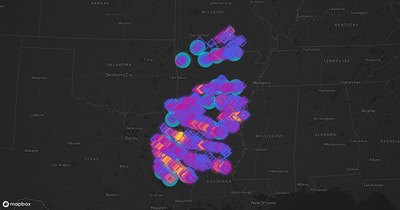
See exactly what you get.
Explore the full Springdale, AR Strike Map free – hail track, address overlay, and CSV download. No account required.
Try the Free Demo →