Caldwell, KS Hail Storm – July 2025
July 26, 2025 hail storm near Caldwell, KS. Radar-confirmed hail track and contractor lead lists available.
Max Hail
2.5"1" est.
confirmed
Zones
2
NWS alerts
Radar
96
dual-pol hits
Spotter
–
field reports
NWS WARNING AREA · Caldwell Metro · Jul 26, 2025
Intelligence Platform
StormSnipe Pro
$49/ mo
Cancel anytime · No contracts
›All 50 states
›No zone limits
›No per-event fees
Subscribe to Pro
Pro renews monthly until canceled · Cancel anytime in the billing portal
What's included
Instant delivery
Every storm published within hours of NOAA confirmation.
Interactive Strike Map
Full radar-confirmed hail track on an interactive map.
Address CSV export
Every affected residential address, export-ready.
Smart alerts
Notified when a storm hits your area. Set zones once.
Nationwide coverage
All 50 states. No zone restrictions. No geographic caps.
Live pipeline
NOAA NEXRAD processed and delivered 24/7.
Address data notice
Pro coverage in California, Vermont, and Oregon includes the confirmed hail track and Strike Map only — no address lists. State data-privacy law treats compiled address lists differently in those three states, so we exclude their addresses from extraction and delivery.
NWS WARNING AREAS · 2
This storm generated 2 NWS alert zones. Pro access covers the complete storm track and all addresses across every zone.
ZONE 1NWS ICT
Caldwell, KS
Dual-Pol Radar
4 addresses in warning area
Alert issued Sat, Jul 26 · 12:08 AM UTC
2.5"
confirmed
1"
est. (NWS)
ZONE 2NWS ICT
Conway Springs, KS
Dual-Pol Radar
293 addresses in warning area
Alert issued Sat, Jul 26 · 12:48 AM UTC
2.25"
confirmed
1"
est. (NWS)
Caldwell, KS saw a concluded severe hail storm on July 26, 2025, with confirmed hail up to 1 inch. Two separate NWS alert periods marked the storm through the evening.
What Happened
The first alert came at 7:08 PM CDT, with dual-polarization radar confidence for 1-inch hail. A second alert followed at 7:48 PM CDT, also carrying 1-inch hail confidence from dual-polarization radar. The storm remained a hail producer across multiple alert areas before it ended later in the evening.
The timing points to a late-evening hail event across the Caldwell area. The alert sequence shows repeated hail signatures rather than a single brief pulse. Both alerts were tied to the same maximum hail size.
Damage Assessment
Hail at 1 inch can affect roofing, soft metals, and exposed exterior finishes. Creased shingles, bruised asphalt, dented metal vents, and impact marks on gutters can show up on properties in the warning area after a storm of this size. Vehicle damage can also appear on unprotected cars, especially on horizontal panels, mirrors, and trim.
In a multi-zone event like this, conditions can vary block by block. One part of the alert area may show only light impact while another sees more obvious roof and siding contact. Contractors should expect mixed outcomes rather than uniform damage across Caldwell.
Interior leaks may not appear immediately. Creased shingles and lifted tabs can hold for a short time before water intrusion starts. Granule loss, cracked seal strips, and soft-metal deformation are common inspection points after hail near the 1-inch mark.
What Contractors Should Know
Start with roof slopes, ridge caps, and south- and west-facing exposures where impact marks are often easiest to document. Check vents, flashing, gutters, downspouts, window wraps, and air conditioning fins. Ground-level evidence matters too. Dented fence caps, mailbox tops, and outdoor fixtures can help support roof findings when the impact pattern is consistent.
Use a methodical exterior walk before moving to the roof. Photograph directional damage, note the time of inspection, and separate hail marks from wear, oxidation, and mechanical damage. In a two-alert storm like this one, field conditions can change across the city, so compare nearby homes and structures before making a claim recommendation.
For contractors building a lead pack or canvass zone, this event offers a focused address set tied to two late-evening hail alerts. Prioritize roofs with recent replacement, older asphalt systems, and properties with visible metal trim damage. Document anything that aligns with the 1-inch hail threshold and keep notes tied to specific elevations and building materials.
If the property shows only scattered cosmetic marks, keep the file open until a full interior and attic check is complete. Small impact patterns can still accompany hidden shingle and flashing issues, especially where the storm crossed the same area more than once.
Storm Details
- Start Date
- Friday, July 25, 2025
- Last Activity
- Friday, July 25, 2025
- Location
- Caldwell, KS
- Warning Areas
- 2
- Dual-Pol Radar
- 96
- Spotter Reports
- --
Preview Strike Map
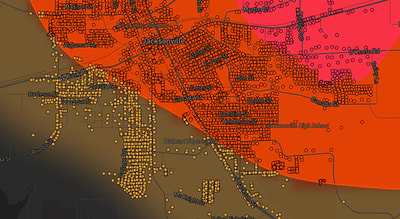
See exactly what you get.
Explore the full Springdale, AR Strike Map free – hail track, address overlay, and CSV download. No account required.
Try the Free Demo →