El Paso, TX Hail Storm – July 2025
July 30, 2025 hail storm near El Paso, TX. Radar-confirmed hail track and contractor lead lists available.
Max Hail
1.25"1" est.
confirmed
Zones
1
NWS alerts
Radar
5
dual-pol hits
Spotter
–
field reports
NWS WARNING AREA · El Paso Metro · Jul 30, 2025
Intelligence Platform
StormSnipe Pro
$49/ mo
Cancel anytime · No contracts
›All 50 states
›No zone limits
›No per-event fees
Subscribe to Pro
Pro renews monthly until canceled · Cancel anytime in the billing portal
What's included
Instant delivery
Every storm published within hours of NOAA confirmation.
Interactive Strike Map
Full radar-confirmed hail track on an interactive map.
Address CSV export
Every affected residential address, export-ready.
Smart alerts
Notified when a storm hits your area. Set zones once.
Nationwide coverage
All 50 states. No zone restrictions. No geographic caps.
Live pipeline
NOAA NEXRAD processed and delivered 24/7.
Address data notice
Pro coverage in California, Vermont, and Oregon includes the confirmed hail track and Strike Map only — no address lists. State data-privacy law treats compiled address lists differently in those three states, so we exclude their addresses from extraction and delivery.
NWS WARNING AREA
NWS EPZ
El Paso, TX
Dual-Pol Radar
38,626 addresses in warning area
Alert issued Wed, Jul 30 · 3:03 AM UTC
1.25"
confirmed
1"
est. (NWS)
El Paso, TX saw a concluded hail storm on July 30, 2025, with verified hail up to 1 inch. The event produced a single NWS alert for the metro area late in the evening.
What Happened
The storm crossed the El Paso metro on July 30 and ended the same night. The only alert in this event came at 10:03 PM CDT, with dual-polarization radar showing confidence for 1 inch hail in the warning area.
That alert placed the storm in the standard severe hail range. The report was tied to the local warning polygon for El Paso, not a narrow ground-truth track. The storm had concluded by the time the event was logged for this page.
Damage Assessment
One inch hail can leave visible impacts on roofs, soft metals, vents, vehicle finishes, and exterior fixtures. On residential property, the most common field checks center on asphalt shingles, ridge caps, pipe boots, downspouts, and window screens. On commercial buildings, the same hail size can affect HVAC housings, membrane seams, skylights, and rooftop accessories.
The damage pattern often stays uneven from block to block. One side of the warning area may show light exterior bruising while another shows more concentrated impact on exposed surfaces. Reports at this size often lead to spot checks for denting, granule loss, and punctures around older materials and repeated impact points.
What Contractors Should Know
Schedule roof, gutter, and exterior inspections first. In a 1 inch hail event, the fastest losses often show up on slope edges, north and west exposures, and the most exposed rooftop attachments. Crews should document soft metal hits, cracked plastic components, and any granule loss on asphalt systems before weathering obscures the marks.
Use the warning area as the broad dispatch guide. It defines where the storm was issued, not where every impact landed. For estimates and intake, pair aerial review with on-site photographs, close-ups of impact marks, and notes on roof age, prior repairs, and material type. That keeps the file clean when the visible damage is scattered.
On vehicles, check horizontal surfaces, mirrors, light housings, and hood panels. On multifamily and light commercial properties, add an inspection of rooftop condensers, drain lines, coping, and screened openings. Small fractures in brittle materials can hide under surface dust and become clearer only after a rinse or daylight shift.
For claims triage, treat this as a compact hail event with localized impact potential and a single late-evening alert. The storm data supports targeted canvassing rather than broad assumptions across the entire metro.
Review the Strike Map for precise hail track data.
Storm Details
- Start Date
- Tuesday, July 29, 2025
- Last Activity
- Tuesday, July 29, 2025
- Location
- El Paso, TX
- Warning Areas
- 1
- Dual-Pol Radar
- 5
- Spotter Reports
- --
Preview Strike Map
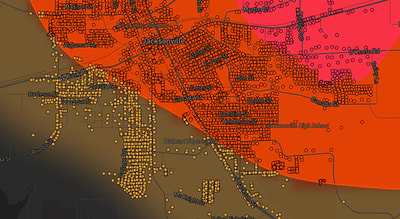
See exactly what you get.
Explore the full Springdale, AR Strike Map free – hail track, address overlay, and CSV download. No account required.
Try the Free Demo →