Liberal, MO Hail Storm – August 2025
August 11, 2025 hail storm near Liberal, MO. Radar-confirmed hail track and contractor lead lists available.
Max Hail
1.75"1.25" est.
confirmed
Zones
4
NWS alerts
Radar
95
dual-pol hits
Spotter
1
field reports
Dual-Pol Radar
Spotter Report
NWS Warning
NWS WARNING AREA · Liberal Metro · Aug 11, 2025 · Click a zone to highlight
PURCHASE THIS STORM
Full storm data delivered to all buyers. No slot limit.
By purchasing, you agree to our Terms of Service and acknowledge the Data Accuracy Disclaimer. Address lists are derived from NOAA radar and federal databases; inclusion does not guarantee property damage.
Pro gets 1-hour priority access
From $49/mo · Auto-delivered leads
NWS WARNING AREAS · 4
This storm generated 4 NWS alert zones. One purchase covers the complete storm track and all addresses across every zone.
ZONE 1NWS SGF
Liberal, MO
Dual-Pol Radar
Alert issued Mon, Aug 11 · 9:06 PM UTC
1.75"
confirmed
1.25"
est. (NWS)
ZONE 2NWS SGF
Asbury, MO
Dual-Pol Radar
14,221 addresses in warning area
Alert issued Mon, Aug 11 · 9:40 PM UTC
1.75"
confirmed
1"
est. (NWS)
ZONE 3NWS SGF
Springfield, MO
NWS Warning
Alert issued Tue, Aug 12 · 12:01 AM UTC
1"
est. (NWS)
ZONE 4NWS SGF
Warsaw, MO
Dual-Pol Radar
258 addresses in warning area
Alert issued Tue, Aug 12 · 12:05 AM UTC
1.5"
confirmed
1"
est. (NWS)
Liberal, MO saw a concluded hail storm on 2025-08-11 with a maximum confirmed hail size of 1.25 inches. The event produced four NWS alerts across the afternoon and evening.
What Happened
The first alert came at 4:06 PM CDT with 1.25-inch hail tied to dual-polarization radar confidence. A second alert followed at 4:40 PM CDT with 1-inch hail, supported by radar and spotter verification. Two more alerts were issued in the evening, at 7:01 PM CDT and 7:05 PM CDT, both for 1-inch hail. The 7:01 PM alert carried NWS warning-only confidence. The 7:05 PM alert returned to dual-polarization radar confidence.
The storm moved through more than one warning area during the afternoon and early evening. The alert sequence shows a hail-producing line or cluster that maintained enough intensity to generate repeated hail reports over several hours. The highest verified hail size remained 1.25 inches.
The event is now concluded. No additional hail alerts were listed after the 7:05 PM CDT warning.
Damage Assessment
Hail in the 1-inch to 1.25-inch range can affect roof coverings, soft metal components, vents, gutters, siding, and vehicle surfaces. In Liberal, the event produced a hail footprint large enough to warrant inspection of asphalt shingles, ridge caps, window screens, and exposed HVAC equipment.
Crews should expect the most visible impact on older roofs, thin gauge metal, and vehicles left outside during the warning periods. On residential properties, walk the roof perimeter first. Check for granule loss, bruising on shingles, dented flashing, and cracked accessories. On commercial sites, inspect skylights, membrane seams, rooftop units, and parapet caps.
Field teams should separate cosmetic impact from functional damage. Dents on soft metals and downspouts may be present with limited roof failure. Roofing loss, punctures, and broken penetrations need closer review. Where the storm crossed multiple alert areas, inspect both the primary path and adjacent properties that may have received marginal hail on the edge of the warning polygon.
What Contractors Should Know
This event supports a targeted canvass in Liberal, MO, with attention to neighborhoods and commercial corridors that fell under the afternoon and evening hail alerts. The repeated 1-inch hail reports and the earlier 1.25-inch peak point to a mixed damage pattern. Some properties will show visible exterior loss. Others may need close inspection to document smaller impacts that do not appear from street level.
Prioritize roofs with steep slopes, older asphalt shingles, aging gutters, and properties with prior repair history. Vehicles, metal siding, and screen enclosures should also be checked where clients report exposure during the 4:06 PM CDT to 7:05 PM CDT period. For production planning, separate quick visual triage from full loss documentation. That keeps inspection time focused on the addresses most likely to show measurable hail impact.
Storm Details
- Start Date
- Monday, August 11, 2025
- Last Activity
- Tuesday, August 12, 2025
- Location
- Liberal, MO
- Warning Areas
- 4
- Dual-Pol Radar
- 95
- Spotter Reports
- 1
StormSnipe Pro
BEST VALUENever miss a storm in your market.
Auto-delivered leads with 1-hour priority access before shared buyers. Set it and close more jobs.
$49
/mo
1 Zone
POPULAR
$99
/mo
5 Zones
$199
/mo
Unlimited
- 1-hour priority access before public
- Auto-delivered every storm in your market
- Interactive Strike Map + hail track
Cancel anytime · No commitment
Try Before You Buy
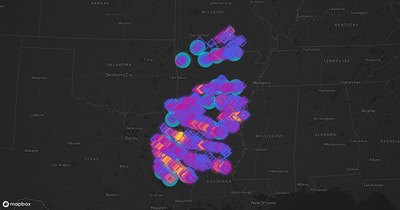
See exactly what you get.
Explore the full Springdale, AR Strike Map free – hail track, address overlay, and CSV download. No account required.
Try the Free Demo →