Limon, CO Hail Storm – August 2025
August 14, 2025 hail storm near Limon, CO. Radar-confirmed hail track and contractor lead lists available.
Max Hail
3"1.75" est.
confirmed
Zones
4
NWS alerts
Radar
226
dual-pol hits
Spotter
2
field reports
NWS WARNING AREA · Limon Metro · Aug 14, 2025
Intelligence Platform
StormSnipe Pro
$49/ mo
Cancel anytime · No contracts
›All 50 states
›No zone limits
›No per-event fees
Subscribe to Pro
Pro renews monthly until canceled · Cancel anytime in the billing portal
What's included
Instant delivery
Every storm published within hours of NOAA confirmation.
Interactive Strike Map
Full radar-confirmed hail track on an interactive map.
Address CSV export
Every affected residential address, export-ready.
Smart alerts
Notified when a storm hits your area. Set zones once.
Nationwide coverage
All 50 states. No zone restrictions. No geographic caps.
Live pipeline
NOAA NEXRAD processed and delivered 24/7.
Address data notice
Pro coverage in California, Vermont, and Oregon includes the confirmed hail track and Strike Map only — no address lists. State data-privacy law treats compiled address lists differently in those three states, so we exclude their addresses from extraction and delivery.
NWS WARNING AREAS · 4
This storm generated 4 NWS alert zones. Pro access covers the complete storm track and all addresses across every zone.
ZONE 1NWS BOU
Limon, CO
Dual-Pol Radar
96 addresses in warning area
Alert issued Thu, Aug 14 · 11:08 PM UTC
1.75"
confirmed
1"
est. (NWS)
ZONE 2NWS PUB
Ordway, CO
Dual-Pol Radar
Alert issued Thu, Aug 14 · 11:59 PM UTC
2.25"
confirmed
1"
est. (NWS)
ZONE 3NWS BOU
Merino, CO
Dual-Pol Radar
Alert issued Fri, Aug 15 · 12:19 AM UTC
3"
confirmed
1.75"
est. (NWS)
ZONE 4NWS GLD
Joes, CO
Dual-Pol Radar
Alert issued Fri, Aug 15 · 3:20 AM UTC
1.75"
confirmed
1"
est. (NWS)
Limon, CO saw a concluded hail storm on August 14, 2025, with a peak confirmed hail size of 1.75 inches. Three NWS alerts tracked the event through late afternoon and early evening.
What Happened
The first alert came at 5:08 PM MDT and carried a 1-inch hail call with radar and spotter verification. A second alert followed at 5:59 PM MDT, again with 1-inch hail and dual-polarization radar confidence. The final alert came at 6:19 PM MDT and raised the hail size to 1.75 inches based on dual-polarization radar detection.
The storm remained confined to the Limon metro area and reached its strongest hail threat during the early evening. The alert sequence shows a short interval between the first verified hail report and the larger radar-derived hail estimate.
Damage Assessment
Hail in the 1-inch range can dent softer metals, mark siding, and damage exposed roof components. The later 1.75-inch hail introduces a higher risk of broken roof accessories, cracked skylights, bruised shingles, and impact damage on vehicles, especially in exposed parking areas.
For contractors, the spread from 1 inch to 1.75 inches matters in the field. Properties on the edge of the storm may show lighter cosmetic impacts, while the core path can carry more concentrated roof, gutter, window, and exterior trim damage. Mixed damage across a neighborhood is common after a multi-alert storm like this one.
Ground inspections should focus on roof slopes that faced the storm path, soft metals, vents, downspouts, HVAC fins, and window screens. On commercial sites, flat roofs, rooftop units, and perimeter siding deserve close review. Vehicle damage may be concentrated in open lots and along street-facing exposures.
What Contractors Should Know
Start with a tight canvass in the Limon metro area and work outward along the warning area. The first verified hail report came at 5:08 PM MDT, but the strongest hail estimate arrived at 6:19 PM MDT. Properties with direct exposure during that window are the highest-priority inspection targets.
Look for small-impact evidence before making a roof recommendation. Fresh bruising on asphalt shingles, soft-metal dents, granule displacement, cracked pipe boots, and impact marks on condensers often appear before obvious leaks. On steep-slope homes, test slopes on the windward side first. On low-slope buildings, inspect rooftop drains, parapets, and membrane edges for strike patterns and accessory damage.
Document every elevation and exposure. Photos should capture hail marks on gutters, AC fins, siding, and window trim, along with roof soft metal and test squares where needed. If the site is in a mixed-result area, separate direct-path damage from fringe impacts so estimates match what was actually hit.
For portfolio work, sort addresses by alert timing and proximity to the strongest radar-confirmed hail signal. That keeps inspection routes efficient and reduces repeat visits after the initial walk-through.
Storm Details
- Start Date
- Thursday, August 14, 2025
- Last Activity
- Thursday, August 14, 2025
- Location
- Limon, CO
- Warning Areas
- 4
- Dual-Pol Radar
- 226
- Spotter Reports
- 2
Preview Strike Map
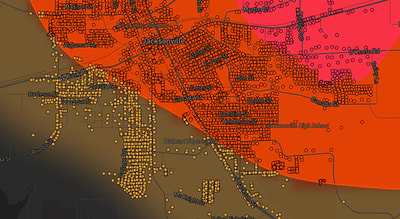
See exactly what you get.
Explore the full Springdale, AR Strike Map free – hail track, address overlay, and CSV download. No account required.
Try the Free Demo →