Rushville, NE Hail Storm – August 2025
August 16, 2025 hail storm near Rushville, NE. Radar-confirmed hail track and contractor lead lists available.
Max Hail
2.75"1" est.
confirmed
Zones
2
NWS alerts
Radar
46
dual-pol hits
Spotter
1
field reports
NWS WARNING AREA · Rushville Metro · Aug 16, 2025
Intelligence Platform
StormSnipe Pro
$49/ mo
Cancel anytime · No contracts
›All 50 states
›No zone limits
›No per-event fees
Subscribe to Pro
Pro renews monthly until canceled · Cancel anytime in the billing portal
What's included
Instant delivery
Every storm published within hours of NOAA confirmation.
Interactive Strike Map
Full radar-confirmed hail track on an interactive map.
Address CSV export
Every affected residential address, export-ready.
Smart alerts
Notified when a storm hits your area. Set zones once.
Nationwide coverage
All 50 states. No zone restrictions. No geographic caps.
Live pipeline
NOAA NEXRAD processed and delivered 24/7.
Address data notice
Pro coverage in California, Vermont, and Oregon includes the confirmed hail track and Strike Map only — no address lists. State data-privacy law treats compiled address lists differently in those three states, so we exclude their addresses from extraction and delivery.
NWS WARNING AREAS · 2
This storm generated 2 NWS alert zones. Pro access covers the complete storm track and all addresses across every zone.
ZONE 1NWS LBF
Rushville, NE
Dual-Pol Radar
32 addresses in warning area
Alert issued Sat, Aug 16 · 11:49 PM UTC
2.75"
confirmed
1"
est. (NWS)
ZONE 2NWS CYS
Marsland, NE
Dual-Pol Radar
35 addresses in warning area
Alert issued Sun, Aug 17 · 1:11 AM UTC
1.5"
confirmed
1"
est. (NWS)
Rushville, NE saw a concluded hail event on 2025-08-16 with a peak confirmed hail size of 1 inch. Two NWS alerts covered the storm, with hail verified in the evening across the Rushville metro area.
What Happened
The first alert came at 6:49 PM CDT, with radar and spotter verification supporting 1-inch hail in the warning area. A second alert followed at 8:11 PM CDT and kept the hail size at 1 inch, this time with dual-polarization radar support from NEXRAD hail detection.
The timing points to an evening storm sequence rather than a brief, isolated pulse. The alert set ran for more than an hour and a half, with the later radar update confirming the hail signal after the first report. The event is concluded.
Damage Assessment
One-inch hail is large enough to produce visible roof, siding, and window impacts when it falls into a concentrated path. In a multi-zone report like this, damage is usually uneven. One block can show only scattered marks while the next sees repeated strikes on exposed surfaces.
For contractors, the key work is to separate cosmetic impacts from functional loss. Asphalt shingles can show bruising, granule displacement, and cracked tabs. Metal surfaces can show dings that are easier to see at an angle. Skylights, screens, soft metals, and vehicle panels are common inspection points after hail at this size.
Field crews should document slope direction, roof age, and material type before making repair calls. On mixed-surface properties, the hail pattern often differs by elevation and exposure. South- and west-facing elevations may show more visible impact in late-day storms, but each structure still needs its own close inspection. Pay attention to gutter lines, downspouts, vents, and ridge caps where strikes can concentrate.
Interior checks matter when exterior impacts are paired with broken glazing or compromised seals. Water intrusion can follow a delayed failure, especially when impacts are scattered and not obvious from the ground. Crews should note any existing wear so post-storm findings stay clean and defensible.
What Contractors Should Know
Set the lead pack on the roofs and elevations most exposed to the evening hail path. Start with steep-slope roofs, then move to low-slope sections, attached coverings, and trim metal. Use the same inspection sequence across the canvass zone so condition photos line up from property to property.
Crews should expect one-inch hail to create a narrow but inconsistent claim field. Some homes will show only minor collateral marks. Others will show concentrated losses on shingles, vents, siding, and soft metal. Keep notes on impact counts, hail direction, and any matching damage on nearby vehicles or fences. That record helps separate storm-caused findings from prior wear.
For contractors working the Rushville metro area, the most useful approach is fast exterior triage followed by targeted roof and accessory checks. Measure exposed damage, record slopes and elevations, and flag properties with corroborating ground-truth evidence from neighbor reports or photos. If the roof surface is older or already brittle, document that condition before recommending further action.
Storm Details
- Start Date
- Saturday, August 16, 2025
- Last Activity
- Saturday, August 16, 2025
- Location
- Rushville, NE
- Warning Areas
- 2
- Dual-Pol Radar
- 46
- Spotter Reports
- 1
Preview Strike Map
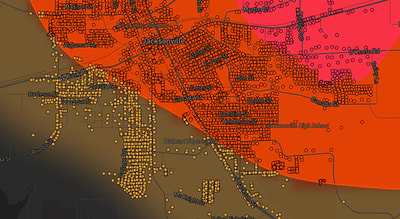
See exactly what you get.
Explore the full Springdale, AR Strike Map free – hail track, address overlay, and CSV download. No account required.
Try the Free Demo →