Mangum, OK Hail Storm – August 2025
August 17, 2025 hail storm near Mangum, OK. Radar-confirmed hail track and contractor lead lists available.
Max Hail
2.75"1.75" est.
confirmed
Zones
5
NWS alerts
Radar
356
dual-pol hits
Spotter
–
field reports
NWS WARNING AREA · Mangum Metro · Aug 17, 2025
Intelligence Platform
StormSnipe Pro
$49/ mo
Cancel anytime · No contracts
›All 50 states
›No zone limits
›No per-event fees
Subscribe to Pro
Pro renews monthly until canceled · Cancel anytime in the billing portal
What's included
Instant delivery
Every storm published within hours of NOAA confirmation.
Interactive Strike Map
Full radar-confirmed hail track on an interactive map.
Address CSV export
Every affected residential address, export-ready.
Smart alerts
Notified when a storm hits your area. Set zones once.
Nationwide coverage
All 50 states. No zone restrictions. No geographic caps.
Live pipeline
NOAA NEXRAD processed and delivered 24/7.
Address data notice
Pro coverage in California, Vermont, and Oregon includes the confirmed hail track and Strike Map only — no address lists. State data-privacy law treats compiled address lists differently in those three states, so we exclude their addresses from extraction and delivery.
NWS WARNING AREAS · 5
This storm generated 5 NWS alert zones. Pro access covers the complete storm track and all addresses across every zone.
ZONE 1NWS OUN
Mangum, OK
Dual-Pol Radar
12 addresses in warning area
Alert issued Sun, Aug 17 · 10:07 PM UTC
1.5"
confirmed
1"
est. (NWS)
ZONE 2NWS OUN
Elk City, OK
Dual-Pol Radar
Alert issued Sun, Aug 17 · 11:27 PM UTC
2.25"
confirmed
1"
est. (NWS)
ZONE 3NWS OUN
Woodward, OK
Dual-Pol Radar
6,236 addresses in warning area
Alert issued Mon, Aug 18 · 1:33 AM UTC
2.5"
confirmed
1"
est. (NWS)
ZONE 4NWS OUN
Buffalo, OK
Dual-Pol Radar
141 addresses in warning area
Alert issued Mon, Aug 18 · 2:01 AM UTC
2.75"
confirmed
1.25"
est. (NWS)
ZONE 5NWS OUN
Alva, OK
Dual-Pol Radar
12 addresses in warning area
Alert issued Mon, Aug 18 · 2:26 AM UTC
2.75"
confirmed
1.75"
est. (NWS)
Mangum, OK saw a concluded hail event on 2025-08-17 with peak hail at 1.75 inches. The storm produced multiple hail alerts through the afternoon and evening.
What Happened
The first hail alert for Mangum came at 5:07 PM CDT with 1 inch hail detected by dual-polarization radar confidence. A second 1 inch alert followed at 6:27 PM CDT, then another at 8:33 PM CDT.
The storm strengthened late in the evening. At 9:01 PM CDT, radar confidence supported 1.25 inch hail. The final alert came at 9:26 PM CDT with 1.75 inch hail. That was the largest confirmed hail size in the event.
Across the five alerts, the hail signal held through several hours of storm activity. The sequence shows repeated hail detection rather than a single brief burst.
Damage Assessment
Hail in the 1 inch range can leave impact marks on softer exterior materials and begin to expose weak points in roofs, trim, and vents. It often shows up first on south- and west-facing slopes, metal flashing, gutter corners, and rooftop accessories.
At 1.25 inches, the inspection focus should widen. Creased shingles, cracked skylight covers, split ridge caps, and bruised soft metals become more likely. The 1.75 inch peak raises the chance of visible roof surface loss, broken window screens, damaged siding, dented condenser fins, and strike patterns on vehicle panels.
The presence of several hail alerts over a long span matters for field work. Properties outside the first hail zone may still show impact signs from later pulses in the storm path. Roof and exterior checks should cover the full sequence, not just the first reported hail size.
Mixed hail sizes also change the visual picture on the ground. Some addresses may only show light cosmetic marks while others on the same storm track show heavier roof and siding impacts. Tree cover, roof pitch, building age, and exterior material all influence how the hail appears after the event.
What Contractors Should Know
Start with roofs, soft metals, and peripheral attachments. Look for bruising on shingles, lifted tabs, dented ridge caps, damaged flashings, and torn window screens. Check HVAC units, gutters, downspouts, vents, and exposed pipe jacks. Document every slope separately.
The alert sequence suggests a storm that evolved over time. That calls for a broader canvass pattern across Mangum and nearby properties in the warning area. Late-arriving hail can expand the field of impacted addresses beyond the first visible line of damage.
Use close-range photos, consistent roof angles, and clear address records. Note the time of each inspection and separate cosmetic loss from functional damage. Pay attention to vehicles, fence tops, awnings, and north-south exposure differences when the storm path crossed.
When matching claims or scheduling follow-up visits, prioritize homes and businesses with open exposures and older roofing materials. Newer roofs may show fewer visible marks, while metal and asphalt surfaces can record hail more clearly. The full event sequence should be reviewed before closing out any property.
Storm Details
- Start Date
- Sunday, August 17, 2025
- Last Activity
- Sunday, August 17, 2025
- Location
- Mangum, OK
- Warning Areas
- 5
- Dual-Pol Radar
- 356
- Spotter Reports
- --
Preview Strike Map
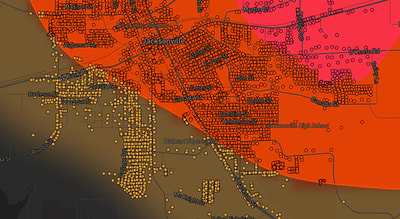
See exactly what you get.
Explore the full Springdale, AR Strike Map free – hail track, address overlay, and CSV download. No account required.
Try the Free Demo →