Gage, OK Hail Storm – August 2025
August 18, 2025 hail storm near Gage, OK. Radar-confirmed hail track and contractor lead lists available.
Max Hail
3.75"2" est.
confirmed
Zones
5
NWS alerts
Radar
385
dual-pol hits
Spotter
2
field reports
NWS WARNING AREA · Gage Metro · Aug 18, 2025
Intelligence Platform
StormSnipe Pro
$49/ mo
Cancel anytime · No contracts
›All 50 states
›No zone limits
›No per-event fees
Subscribe to Pro
Pro renews monthly until canceled · Cancel anytime in the billing portal
What's included
Instant delivery
Every storm published within hours of NOAA confirmation.
Interactive Strike Map
Full radar-confirmed hail track on an interactive map.
Address CSV export
Every affected residential address, export-ready.
Smart alerts
Notified when a storm hits your area. Set zones once.
Nationwide coverage
All 50 states. No zone restrictions. No geographic caps.
Live pipeline
NOAA NEXRAD processed and delivered 24/7.
Address data notice
Pro coverage in California, Vermont, and Oregon includes the confirmed hail track and Strike Map only — no address lists. State data-privacy law treats compiled address lists differently in those three states, so we exclude their addresses from extraction and delivery.
NWS WARNING AREAS · 5
This storm generated 5 NWS alert zones. Pro access covers the complete storm track and all addresses across every zone.
ZONE 1NWS OUN
Gage, OK
Dual-Pol Radar
540 addresses in warning area
Alert issued Mon, Aug 18 · 10:18 PM UTC
3.75"
confirmed
2"
est. (NWS)
ZONE 2NWS OUN
Gage, OK
Dual-Pol Radar
3 addresses in warning area
Alert issued Mon, Aug 18 · 10:48 PM UTC
3.75"
confirmed
1.75"
est. (NWS)
ZONE 3NWS OUN
Enid, OK
Dual-Pol Radar
3,853 addresses in warning area
Alert issued Mon, Aug 18 · 11:27 PM UTC
2.25"
confirmed
1"
est. (NWS)
ZONE 4NWS OUN
Mooreland, OK
Dual-Pol Radar
333 addresses in warning area
Alert issued Mon, Aug 18 · 11:42 PM UTC
2.25"
confirmed
1"
est. (NWS)
ZONE 5NWS OUN
Okeene, OK
Dual-Pol Radar
804 addresses in warning area
Alert issued Tue, Aug 19 · 12:11 AM UTC
2.5"
confirmed
1"
est. (NWS)
Gage, OK saw a concluded hail storm on August 18, 2025, with a peak confirmed hail size of 2 inches. The event produced five hail alerts between late afternoon and early evening.
What Happened
The first hail alert came at 5:18 PM CDT with a 2-inch estimate tied to dual-polarization radar confidence. A second alert followed at 5:48 PM CDT with a 1.75-inch estimate from the same radar source.
Hail reports then continued into the evening. At 6:27 PM CDT, the storm carried a 1-inch estimate with radar and spotter verification. Two more alerts followed at 6:42 PM CDT and 7:11 PM CDT, both at 1 inch with dual-polarization radar confidence.
The sequence shows a storm that held hail production over a multi-hour span. The strongest hail signal came first, then the storm maintained smaller hail reports as it moved through the warning area.
Damage Assessment
A 2-inch hail report points to the potential for roof punctures, broken skylights, and damage to soft metals. Vehicles parked outside during the peak hail window may show denting on hoods, roofs, and trim. Siding, window screens, and gutters can also take impact damage, especially on exposed sides of structures.
The 1.75-inch and 1-inch reports support a broader hail swath with repeated impact risk across the storm path. Properties at the edge of the warning area may see lighter but still measurable damage, while areas closer to the peak hail signal carry the higher repair load.
For contractors, the alert progression matters. The storm did not produce a single brief burst. It kept dropping hail as it tracked through the area, which can spread service calls across a larger canvass zone and extend inspection needs into the evening and next day.
What Contractors Should Know
Start with the roof surfaces first. Look for bruised shingles, granule loss, cracked tabs, and impact marks on vents, pipe boots, and flashing. On metal roofs and accessories, check for clear denting patterns. If the property has skylights, AC fins, or painted trim, document those before cleanup or temporary repairs begin.
Use the 2-inch peak as the upper-end marker for triage, but do not assume every structure took the same hit. The verified 1-inch report and the later radar-derived alerts suggest repeated hail exposure rather than one isolated core. That can leave mixed damage across a neighborhood, with one block showing roof loss and the next showing only cosmetic impact.
Field teams should also watch for secondary issues. Screens, fence caps, downspouts, and soft metal components often reveal the storm track before the roof does. On multi-family and commercial properties, check parapet caps, rooftop units, and membrane seams where hail impact may be harder to see from the ground.
If you are dispatching inspectors, prioritize the homes and buildings closest to the strongest alert times first. The late-afternoon to early-evening sequence gives a clean time window for resident interviews, photo matching, and response logs.
Storm Details
- Start Date
- Monday, August 18, 2025
- Last Activity
- Monday, August 18, 2025
- Location
- Gage, OK
- Warning Areas
- 5
- Dual-Pol Radar
- 385
- Spotter Reports
- 2
Preview Strike Map
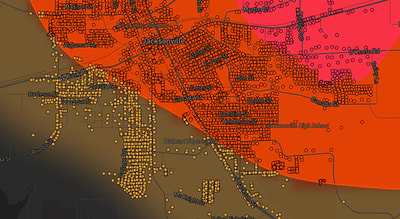
See exactly what you get.
Explore the full Springdale, AR Strike Map free – hail track, address overlay, and CSV download. No account required.
Try the Free Demo →