White Sands Missile Range, NM Hail Storm – August 2025
August 18, 2025 hail storm near White Sands Missile Range, NM. Radar-confirmed hail track and contractor lead lists available.
Max Hail
1"1" est.
confirmed
Zones
1
NWS alerts
Radar
4
dual-pol hits
Spotter
–
field reports
NWS WARNING AREA · White Sands Missile Range Metro · Aug 18, 2025
Intelligence Platform
StormSnipe Pro
$49/ mo
Cancel anytime · No contracts
›All 50 states
›No zone limits
›No per-event fees
Subscribe to Pro
Pro renews monthly until canceled · Cancel anytime in the billing portal
What's included
Instant delivery
Every storm published within hours of NOAA confirmation.
Interactive Strike Map
Full radar-confirmed hail track on an interactive map.
Address CSV export
Every affected residential address, export-ready.
Smart alerts
Notified when a storm hits your area. Set zones once.
Nationwide coverage
All 50 states. No zone restrictions. No geographic caps.
Live pipeline
NOAA NEXRAD processed and delivered 24/7.
Address data notice
Pro coverage in California, Vermont, and Oregon includes the confirmed hail track and Strike Map only — no address lists. State data-privacy law treats compiled address lists differently in those three states, so we exclude their addresses from extraction and delivery.
NWS WARNING AREA
NWS EPZ
White Sands Missile Range, NM
Dual-Pol Radar
Alert issued Mon, Aug 18 · 10:32 PM UTC
1"
confirmed
1"
est. (NWS)
On August 18, 2025, a concluded severe hail storm over White Sands Missile Range, NM produced a maximum confirmed hail size of 1 inch. The storm was tracked through one NWS alert area in the late afternoon.
What Happened
The storm crossed the White Sands Missile Range area on August 18 and produced one verified hail alert at 4:32 PM MDT. The alert called for 1-inch hail and was supported by dual-polarization radar confidence from NEXRAD.
No additional hail alerts were issued for this event. The storm remained a single-zone report with one confirmed hail signal tied to the same afternoon storm path.
Damage Assessment
Hail at 1 inch sits at the upper end of common severe hail reports. Stones in that range can break soft roofing surfaces, dent gutters, and mark metal trim. Vehicles left outdoors can show visible dings on hoods, roofs, and mirrors.
On flat and low-slope roofs, look for bruised shingles, displaced granules, cracked tabs, and exposed mat at impact points. Check skylights, pipe boots, condenser fins, and downspout elbows. Even when exterior damage is limited, small punctures and seal failures can show up later as leaks after the next rain.
Field crews should treat this as a property-wide inspection event rather than a spot check on one obvious surface. Single-zone hail reports often follow narrow paths, but the impact pattern still shifts across roofs, elevations, and windward exposures. Metal accessories and painted surfaces may show the clearest indicators of strike density.
Interior claims should be documented with the exterior conditions, the storm date, and the local time window. Roof slopes with tree cover or limited visibility can hide impact marks during the first walk-through. A second pass from a different angle often reveals more consistent hail scarring, especially on synthetic shingles and soft metals.
What Contractors Should Know
Start with the roof plane that faced the storm approach, then work outward to adjacent slopes, ridges, and transitions. On this size hail report, inspect ridge caps, eave edges, flashing, vents, exhaust caps, and soft metal accessories before moving to siding, window wraps, and HVAC units. Photograph each elevation separately and keep the time stamp aligned to the August 18 event window.
Use a consistent count of test squares and note the surface type on each section. Asphalt shingles, modified bitumen, metal panels, and low-slope membranes will not show the same strike pattern. On metal roofs, look for fresh dents and coating loss. On composite shingles, check for granule loss, bruising, and displaced tabs near seams and terminations.
For insurance and bid work, tie observations to the local storm timing and the verified 1-inch hail report rather than a broad weather summary. Record the first visible evidence, the roof age if known, and any leak locations reported by the occupant. If multiple trades will be on site, make sure the roof, gutters, screens, and HVAC findings stay separated in the file.
Storm Details
- Start Date
- Monday, August 18, 2025
- Last Activity
- Monday, August 18, 2025
- Location
- White Sands Missile Range, NM
- Warning Areas
- 1
- Dual-Pol Radar
- 4
- Spotter Reports
- --
Preview Strike Map
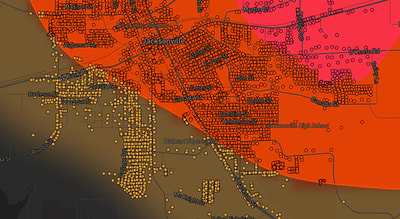
See exactly what you get.
Explore the full Springdale, AR Strike Map free – hail track, address overlay, and CSV download. No account required.
Try the Free Demo →