Wichita Falls, TX Hail Storm – August 2025
August 20, 2025 hail storm near Wichita Falls, TX. Radar-confirmed hail track and contractor lead lists available.
Max Hail
1.25"1" est.
confirmed
Zones
1
NWS alerts
Radar
3
dual-pol hits
Spotter
1
field reports
NWS WARNING AREA · Wichita Falls Metro · Aug 20, 2025
Intelligence Platform
StormSnipe Pro
$49/ mo
Cancel anytime · No contracts
›All 50 states
›No zone limits
›No per-event fees
Subscribe to Pro
Pro renews monthly until canceled · Cancel anytime in the billing portal
What's included
Instant delivery
Every storm published within hours of NOAA confirmation.
Interactive Strike Map
Full radar-confirmed hail track on an interactive map.
Address CSV export
Every affected residential address, export-ready.
Smart alerts
Notified when a storm hits your area. Set zones once.
Nationwide coverage
All 50 states. No zone restrictions. No geographic caps.
Live pipeline
NOAA NEXRAD processed and delivered 24/7.
Address data notice
Pro coverage in California, Vermont, and Oregon includes the confirmed hail track and Strike Map only — no address lists. State data-privacy law treats compiled address lists differently in those three states, so we exclude their addresses from extraction and delivery.
NWS WARNING AREA
NWS OUN
Wichita Falls, TX
Dual-Pol Radar
4,430 addresses in warning area
Alert issued Wed, Aug 20 · 10:30 AM UTC
1.25"
confirmed
1"
est. (NWS)
What Happened
A severe hail storm moved through Wichita Falls, TX on August 20, 2025, producing 1-inch hail and a spotter-verified report of 0.75-inch stones after sunrise. The storm carried radar and spotter verification in the 5:30 AM CDT warning area.
The first alert came at 5:30 AM CDT, with dual-source verification tied to 1-inch hail. Field reports followed at 6:30 AM CDT, when a spotter in the area described rushing water 5 to 6 inches high, a fallen tree, and a barbed wire fence brought down by the flow. The observer measured the water with a ruler and rain gauge after emptying the gauge before the rain began.
That report placed the storm in the early morning window, after the first warning but while the event was still unfolding across the Wichita Falls metro. The radar signal and the later ground report stayed consistent on timing and intensity. The hail and heavy rain arrived close enough together to produce both hail verification and runoff damage in the same segment of the storm.
The event concluded the same day. No additional alert was listed in the storm record beyond the single warning area entry tied to the 5:30 AM CDT issuance.
Damage Assessment
The field report shows a brief but forceful surface impact in Wichita Falls during the early morning hours. The main documented damage was water-driven. Rushing flow 5 to 6 inches deep was enough to take down a tree and a barbed wire fence. The report does not describe structural roof or siding loss, but it does confirm enough runoff to move small objects and stress ground-level property.
The hail report came in at 0.75 inches from the spotter note, which sat below the 1-inch verified size in the warning area record. That puts the event in a narrow range where hail was present, but the clearest damage signal in the ground truth came from rainfall and runoff rather than from a large hail swath. The observer’s note also indicates the rain gauge had been emptied before the rain started, which adds weight to the measured water depth in the report.
For contractors, that means the first pass through Wichita Falls should not start with a broad hail assumption alone. The event produced both hail and concentrated water movement. Crews checking homes and light commercial property in the metro should look for roof soft-surface impacts, gutter stress, downspout displacement, and fence-line failures near low spots or drainage paths.
The tree and fence damage point to exposed outdoor assets at grade level. In a mixed residential and commercial setting, that usually means looking first along open boundaries, alley edges, and yards with shallow drainage grades. Where runoff pooled, check for erosion at fence posts, soil washout around small trees, and debris impact near downspouts and curb cuts.
What Contractors Should Know
Storm Details
- Start Date
- Wednesday, August 20, 2025
- Last Activity
- Wednesday, August 20, 2025
- Location
- Wichita Falls, TX
- Warning Areas
- 1
- Dual-Pol Radar
- 3
- Spotter Reports
- 1
Preview Strike Map
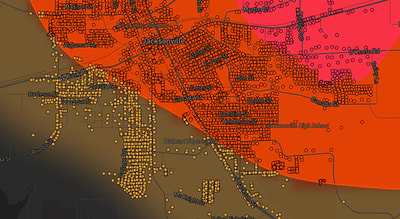
See exactly what you get.
Explore the full Springdale, AR Strike Map free – hail track, address overlay, and CSV download. No account required.
Try the Free Demo →