Atlanta, GA Hail Storm – August 2025
August 21, 2025 hail storm near Atlanta, GA. Radar-confirmed hail track and contractor lead lists available.
Max Hail
1.75"1" est.
confirmed
Zones
1
NWS alerts
Radar
12
dual-pol hits
Spotter
2
field reports
Dual-Pol Radar
Spotter Report
NWS Warning
NWS WARNING AREA · Atlanta Metro · Aug 21, 2025
PURCHASE THIS STORM
Full storm data delivered to all buyers. No slot limit.
By purchasing, you agree to our Terms of Service and acknowledge the Data Accuracy Disclaimer. Address lists are derived from NOAA radar and federal databases; inclusion does not guarantee property damage.
Pro gets 1-hour priority access
From $49/mo · Auto-delivered leads
NWS WARNING AREA
NWS FFC
Atlanta, GA
Dual-Pol Radar
75,758 addresses in warning area
Alert issued Thu, Aug 21 · 9:53 PM UTC
1.75"
confirmed
1"
est. (NWS)
What Happened
A severe thunderstorm moved through Atlanta, Georgia, on 2025-08-21, producing verified 1-inch hail and spotter-confirmed wind damage in the metro area during the evening. The NWS alert issued at 5:53 PM EDT carried a radar and spotter-verified confidence assessment for 1-inch hail.
Field reports followed within minutes. At 5:58 PM EDT, a spotter photo showed a large tree limb down near the Hamilton E. Holmes MARTA station. At 6:15 PM EDT, a corrected report from Little Five Points documented large tree limbs down near the intersection of Moreland Ave and Austin Ave from thunderstorm winds.
The storm stayed localized. The available reports point to a short-lived severe core with hail and wind impacts arriving in the early evening, first west of downtown and then farther east in the city core. Radar and spotter input lined up closely on the severe threat.
Damage Assessment
The field picture in Atlanta was driven more by wind than by widespread hail accumulation. The reported tree limb damage at Hamilton E. Holmes MARTA station and near Moreland Ave and Austin Ave places the strongest surface impacts in two separate parts of the metro. Both reports came from spotter verification, which puts the damage on firm ground.
The Hamilton E. Holmes report points to the west side of the city. The Little Five Points report places additional tree damage on the east side, near a dense urban corridor with heavy tree cover and major traffic routes. No broader corridor of structural damage appears in the available reports. The observed impacts were limited to limbs and localized tree failure.
The hail signal remained tied to the severe warning and the verified 1-inch maximum. That puts the storm in a category where roofing, siding, soft metals, and exposed vehicle surfaces can take isolated hits, but the report set for this event does not show a wide hail damage field. The documented ground impacts were concentrated in tree damage locations rather than a citywide damage footprint.
For Atlanta specifically, the combination of a single severe alert, two spotter-verified tree limb reports, and a 1-inch hail confirmation points to a narrow event with scattered surface damage. The metro did not show a long-duration sequence of severe reports. It showed a brief evening storm with localized wind effects and verified hail.
What Contractors Should Know
Work the west side first, then the east side. The reports place one impact near the Hamilton E. Holmes MARTA station and another near Moreland Ave and Austin Ave in Little Five Points. Those are separate canvass targets, not one continuous corridor. Check nearby roofs, gutters, trim, and vehicle lots around each point, with attention to blocks that carry mature trees.
The most efficient early pass is a ground-level drive through the two report locations and adjacent residential streets. In Atlanta, tree canopy often hides strike points from the road. Look for broken limbs, fresh tree scars, dented vents, and isolated roof impacts on homes and small commercial buildings near the reported locations. The report set does not support a broad citywide claim. It supports a focused inspection window around the verified points.
Storm Details
- Start Date
- Thursday, August 21, 2025
- Last Activity
- Thursday, August 21, 2025
- Location
- Atlanta, GA
- Warning Areas
- 1
- Dual-Pol Radar
- 12
- Spotter Reports
- 2
StormSnipe Pro
BEST VALUENever miss a storm in your market.
Auto-delivered leads with 1-hour priority access before shared buyers. Set it and close more jobs.
$49
/mo
1 Zone
POPULAR
$99
/mo
5 Zones
$199
/mo
Unlimited
- 1-hour priority access before public
- Auto-delivered every storm in your market
- Interactive Strike Map + hail track
Cancel anytime · No commitment
Try Before You Buy
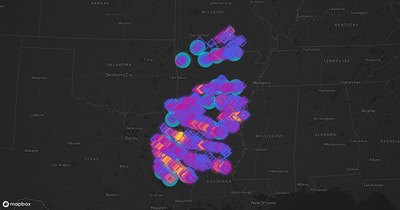
See exactly what you get.
Explore the full Springdale, AR Strike Map free – hail track, address overlay, and CSV download. No account required.
Try the Free Demo →