Kaycee, WY Hail Storm – August 2025
August 21, 2025 hail storm near Kaycee, WY. Radar-confirmed hail track and contractor lead lists available.
Max Hail
2"1.25" est.
confirmed
Zones
3
NWS alerts
Radar
23
dual-pol hits
Spotter
–
field reports
NWS WARNING AREA · Kaycee Metro · Aug 21, 2025
Intelligence Platform
StormSnipe Pro
$49/ mo
Cancel anytime · No contracts
›All 50 states
›No zone limits
›No per-event fees
Subscribe to Pro
Pro renews monthly until canceled · Cancel anytime in the billing portal
What's included
Instant delivery
Every storm published within hours of NOAA confirmation.
Interactive Strike Map
Full radar-confirmed hail track on an interactive map.
Address CSV export
Every affected residential address, export-ready.
Smart alerts
Notified when a storm hits your area. Set zones once.
Nationwide coverage
All 50 states. No zone restrictions. No geographic caps.
Live pipeline
NOAA NEXRAD processed and delivered 24/7.
Address data notice
Pro coverage in California, Vermont, and Oregon includes the confirmed hail track and Strike Map only — no address lists. State data-privacy law treats compiled address lists differently in those three states, so we exclude their addresses from extraction and delivery.
NWS WARNING AREAS · 3
This storm generated 3 NWS alert zones. Pro access covers the complete storm track and all addresses across every zone.
ZONE 1NWS RIW
Kaycee, WY
Dual-Pol Radar
Alert issued Thu, Aug 21 · 11:49 PM UTC
1.75"
confirmed
1.25"
est. (NWS)
ZONE 2NWS RIW
Kaycee, WY
Dual-Pol Radar
Alert issued Fri, Aug 22 · 12:09 AM UTC
2"
confirmed
1"
est. (NWS)
ZONE 3NWS RIW
Kaycee, WY
Dual-Pol Radar
Alert issued Fri, Aug 22 · 12:44 AM UTC
2"
confirmed
1"
est. (NWS)
On August 21, 2025, a concluded hail storm moved through Kaycee, WY and produced a maximum confirmed hail size of 1.25 inches. The event included three NWS alert areas with dual-polarization radar confidence.
What Happened
The storm first showed 1.25-inch hail confidence at 5:49 PM MDT. A second alert followed at 6:09 PM MDT with 1-inch hail confidence, then a third at 6:44 PM MDT also carried 1-inch hail confidence. The sequence points to a hail-producing cell that maintained severe output through the early evening.
All three alerts were part of the same multi-zone aggregate storm report for Kaycee. The peak size remained 1.25 inches across the event. Radar-derived confidence stayed in the severe range through the full alert set.
Damage Assessment
Hail in the 1 to 1.25 inch range is large enough to damage exposed roofing, soft metal trim, skylights, vents, gutters, and vehicle panels. Granule loss on asphalt shingles is common at this size. Older roofs and weak points around ridge caps, flashing, and penetrations tend to show the first signs of impact.
In rural and small-town settings around Kaycee, detached structures, mobile homes, farm equipment, and parked vehicles are often the first assets to show visible hail marks. Window screens and exterior paint can also carry impact scarring when the hail is repeated over multiple passes. With three separate alert areas in this storm, inspection teams should expect a mixed field of spotty surface damage and localized higher-impact areas.
What Contractors Should Know
Field crews should start with the roof system and work outward. Check for shingle bruising, lifted tabs, cracked sealant lines, exposed mat, and fresh impact marks on metal flashing and vents. On steep-slope roofs, look closely at ridges, valleys, and north-facing slopes where hail scars often stand out after a short inspection. On low-slope commercial roofs, scan membranes, edge metal, rooftop units, and drain assemblies.
Ground-level checks should include siding, gutters, downspouts, soft metals, and vehicle inventories. Hail at 1.25 inches can leave shallow dents on aluminum trim, outdoor AC fins, mailboxes, and fence caps without creating immediate leaks. Document every exposure by elevation and façade. Use date-stamped photos from multiple angles. Separate cosmetic impact from functional damage in the field notes. That keeps estimates aligned with the actual storm path and the observed hit pattern.
Crews working in Kaycee should also watch for delayed claims tied to intermittent hail swaths. A property can sit just outside one alert area and still show isolated impact. Inspect adjacent blocks, not just the centerline address. Compare roof slope, surrounding tree cover, and nearby open ground before closing out a visit. Small shifts in track position can change the damage picture from one block to the next.
Storm Details
- Start Date
- Thursday, August 21, 2025
- Last Activity
- Thursday, August 21, 2025
- Location
- Kaycee, WY
- Warning Areas
- 3
- Dual-Pol Radar
- 23
- Spotter Reports
- --
Preview Strike Map
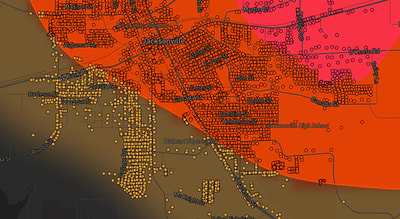
See exactly what you get.
Explore the full Springdale, AR Strike Map free – hail track, address overlay, and CSV download. No account required.
Try the Free Demo →