Grants Pass, OR Hail Storm – August 2025
August 27, 2025 hail storm near Grants Pass, OR. Radar-confirmed hail track and contractor lead lists available.
Max Hail
2"1.5" est.
confirmed
Zones
7
NWS alerts
Radar
123
dual-pol hits
Spotter
2
field reports
Map requires hardware acceleration
NWS WARNING AREA · Grants Pass Metro · Aug 27, 2025 · Click a zone to highlight
Intelligence Platform
StormSnipe Pro
$49/ mo
Cancel anytime · No contracts
›All 50 states
›No zone limits
›No per-event fees
Subscribe to Pro
Billed monthly · Cancel anytime
What's included
Instant delivery
Every storm published within hours of NOAA confirmation.
Interactive Strike Map
Full radar-confirmed hail track on an interactive map.
Address CSV export
Every affected residential address, export-ready.
Smart alerts
Notified when a storm hits your area. Set zones once.
Nationwide coverage
All 50 states. No zone restrictions. No geographic caps.
Live pipeline
NOAA NEXRAD processed and delivered 24/7.
NWS WARNING AREAS · 7
This storm generated 7 NWS alert zones. Pro access covers the complete storm track and all addresses across every zone.
ZONE 1NWS MFR
Grants Pass, OR
Dual-Pol Radar
Alert issued Wed, Aug 27 · 12:07 AM UTC
2"
confirmed
1"
est. (NWS)
ZONE 2NWS MFR
Fort Jones, CA
Dual-Pol Radar
Alert issued Wed, Aug 27 · 12:30 AM UTC
1.5"
confirmed
1"
est. (NWS)
ZONE 3NWS MFR
Fort Jones, CA
Dual-Pol Radar
Alert issued Wed, Aug 27 · 1:04 AM UTC
1.5"
confirmed
1"
est. (NWS)
ZONE 4NWS MFR
Fort Jones, CA
Dual-Pol Radar
Alert issued Wed, Aug 27 · 1:29 AM UTC
1.5"
confirmed
1"
est. (NWS)
ZONE 5NWS MFR
Grants Pass, OR
Dual-Pol Radar
Alert issued Wed, Aug 27 · 1:31 AM UTC
2"
confirmed
1.5"
est. (NWS)
ZONE 6NWS MFR
Horse Creek, CA
Dual-Pol Radar
Alert issued Wed, Aug 27 · 1:47 AM UTC
1.5"
confirmed
1"
est. (NWS)
ZONE 7NWS MFR
Ashland, OR
Dual-Pol Radar
Alert issued Wed, Aug 27 · 3:05 AM UTC
1.25"
confirmed
1"
est. (NWS)
Grants Pass, OR saw a concluded hail storm on 2025-08-27 with a peak confirmed hail size of 1.5 inches. The storm produced seven hail alerts across the metro area from late afternoon into the evening.
What Happened
The first hail alert came at 5:07 PM PDT, when radar and a spotter both supported 1-inch hail. Additional alerts followed at 5:30 PM, 6:04 PM, and 6:29 PM PDT, each carrying a 1-inch hail estimate from dual-polarization radar.
A stronger report came at 6:31 PM PDT, when hail reached 1.5 inches and was verified by radar and a spotter. Two more 1-inch hail alerts followed at 6:47 PM and 8:05 PM PDT. The full sequence shows a repeated hail-producing storm mode across the Grants Pass metro during the late afternoon and early evening.
The hail alerts moved through the area in waves rather than as a single short burst. The verified 1.5-inch report came after several earlier 1-inch detections, then smaller hail continued later in the event.
Damage Assessment
Hail in the 1-inch to 1.5-inch range can affect roofs, gutters, siding, screens, and exterior trim. Asphalt shingles can show scattered granule loss. Metal surfaces can show denting. Soft metals, vent caps, skylight frames, and thin roof accessories can take visible impact in the strongest core areas.
For contractors, this storm profile calls for roof and exterior inspections across the parts of Grants Pass that sat under repeated hail alerts. The mix of 1-inch and 1.5-inch reports suggests a narrow but meaningful hail corridor, with the highest likelihood of roof and property impacts near the verified peak report at 6:31 PM PDT.
Field crews should document impact marks on shingles, window screens, fascia, HVAC fins, and vehicle surfaces. Check for bruising on asphalt tabs, cracked ridge caps, loose flashing, and hail strikes around roof penetrations. On commercial work, inspect modified bitumen, membrane edges, skylights, and rooftop units. On residential work, pay close attention to south- and west-facing slopes if the storm approached in the late afternoon.
Tree and landscape damage is also worth logging when it lines up with roof claims. Broken leaves, stripped twigs, and fresh scarring on softer vegetation can help place the storm path on the ground. Keep time-stamped photos from each inspection stop. Use local observations to separate one roof with isolated hits from a property that sat under repeated hail cores.
When you are canvassing after a multi-alert event like this one, start with addresses closest to the verified 1.5-inch hail report, then widen outward along the earlier 1-inch alert line. Recheck homes and businesses that reported no visible roof loss but show denting on metal accessories, screens, or siding. Those properties often need a second look before any claim or repair scope is closed.
Storm Details
- Start Date
- Tuesday, August 26, 2025
- Last Activity
- Tuesday, August 26, 2025
- Location
- Grants Pass, OR
- Warning Areas
- 7
- Dual-Pol Radar
- 123
- Spotter Reports
- 2
Preview Strike Map
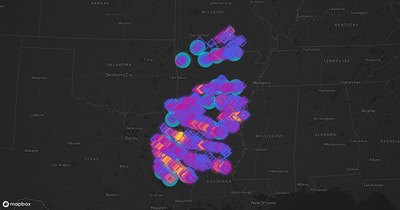
See exactly what you get.
Explore the full Springdale, AR Strike Map free – hail track, address overlay, and CSV download. No account required.
Try the Free Demo →