Fort Lupton, CO Hail Storm – August 2025
August 27, 2025 hail storm near Fort Lupton, CO. Radar-confirmed hail track and contractor lead lists available.
Max Hail
3.25"1.75" est.
confirmed
Zones
15
NWS alerts
Radar
533
dual-pol hits
Spotter
3
field reports
NWS WARNING AREA · Fort Lupton Metro · Aug 27, 2025
Intelligence Platform
StormSnipe Pro
$49/ mo
Cancel anytime · No contracts
›All 50 states
›No zone limits
›No per-event fees
Subscribe to Pro
Pro renews monthly until canceled · Cancel anytime in the billing portal
What's included
Instant delivery
Every storm published within hours of NOAA confirmation.
Interactive Strike Map
Full radar-confirmed hail track on an interactive map.
Address CSV export
Every affected residential address, export-ready.
Smart alerts
Notified when a storm hits your area. Set zones once.
Nationwide coverage
All 50 states. No zone restrictions. No geographic caps.
Live pipeline
NOAA NEXRAD processed and delivered 24/7.
Address data notice
Pro coverage in California, Vermont, and Oregon includes the confirmed hail track and Strike Map only — no address lists. State data-privacy law treats compiled address lists differently in those three states, so we exclude their addresses from extraction and delivery.
NWS WARNING AREAS · 15
This storm generated 15 NWS alert zones. Pro access covers the complete storm track and all addresses across every zone.
ZONE 1NWS BOU
Fort Lupton, CO
Dual-Pol Radar
4,912 addresses in warning area
Alert issued Wed, Aug 27 · 9:07 PM UTC
1"
confirmed
1"
est. (NWS)
ZONE 2NWS DDC
Johnson, KS
Dual-Pol Radar
875 addresses in warning area
Alert issued Wed, Aug 27 · 10:05 PM UTC
2.5"
confirmed
1"
est. (NWS)
ZONE 3NWS BOU
Genoa, CO
Dual-Pol Radar
Alert issued Thu, Aug 28 · 12:23 AM UTC
2"
confirmed
1.25"
est. (NWS)
ZONE 4NWS DDC
Moscow, KS
Dual-Pol Radar
7 addresses in warning area
Alert issued Thu, Aug 28 · 12:31 AM UTC
3"
confirmed
1"
est. (NWS)
ZONE 5NWS BOU
Hugo, CO
Dual-Pol Radar
Alert issued Thu, Aug 28 · 12:43 AM UTC
2"
confirmed
1"
est. (NWS)
ZONE 6NWS GLD
Wild Horse, CO
Dual-Pol Radar
Alert issued Thu, Aug 28 · 1:08 AM UTC
1.5"
confirmed
1"
est. (NWS)
ZONE 7NWS GLD
Oakley, KS
Dual-Pol Radar
9 addresses in warning area
Alert issued Thu, Aug 28 · 1:22 AM UTC
3.25"
confirmed
1.75"
est. (NWS)
ZONE 8NWS GLD
Oakley, KS
Dual-Pol Radar
Alert issued Thu, Aug 28 · 1:41 AM UTC
3.25"
confirmed
1.5"
est. (NWS)
ZONE 9NWS AMA
Turpin, OK
Dual-Pol Radar
799 addresses in warning area
Alert issued Thu, Aug 28 · 1:46 AM UTC
2.75"
confirmed
1.5"
est. (NWS)
ZONE 10NWS AMA
Forgan, OK
Dual-Pol Radar
13 addresses in warning area
Alert issued Thu, Aug 28 · 2:34 AM UTC
2.75"
confirmed
1"
est. (NWS)
ZONE 11NWS AMA
Forgan, OK
Dual-Pol Radar
442 addresses in warning area
Alert issued Thu, Aug 28 · 2:45 AM UTC
3"
confirmed
1.5"
est. (NWS)
ZONE 12NWS GLD
Tribune, KS
Dual-Pol Radar
94 addresses in warning area
Alert issued Thu, Aug 28 · 3:03 AM UTC
3.25"
confirmed
1.5"
est. (NWS)
ZONE 13NWS AMA
Forgan, OK
Dual-Pol Radar
Alert issued Thu, Aug 28 · 3:03 AM UTC
3"
confirmed
1.5"
est. (NWS)
ZONE 14NWS AMA
Gate, OK
Dual-Pol Radar
Alert issued Thu, Aug 28 · 3:44 AM UTC
3"
confirmed
1.25"
est. (NWS)
ZONE 15NWS AMA
Gate, OK
Dual-Pol Radar
Alert issued Thu, Aug 28 · 3:57 AM UTC
2.5"
confirmed
1.25"
est. (NWS)
Fort Lupton, CO saw a concluded hail event on August 27, 2025 with peak verified hail at 1.25 inches. The storm produced three separate NWS alert areas across the afternoon and evening.
What Happened
The first alert area came in at 3:07 PM MDT with 1-inch hail detected through dual-polarization radar confidence. A second alert area followed at 6:23 PM MDT with a 1.25-inch hail estimate. A third alert area was issued at 6:43 PM MDT with another 1-inch hail estimate.
The sequence shows hail intensity building into the late afternoon, then tapering back to 1 inch in the final alert area. All three alerts were tied to dual-polarization radar, with the 1.25-inch reading marking the peak confirmed hail size for the event.
This was a multi-zone storm report covering the Fort Lupton metro area. The event is concluded.
Damage Assessment
Hail in the 1-inch to 1.25-inch range can leave concentrated impact marks on softer roofing surfaces and exposed exterior materials. Asphalt shingles can show bruising, granule loss, and edge scuffing. Metal trim, roof vents, gutters, and downspouts can show dents. Windows, skylights, and vehicle surfaces are also within the exposed field for this size range.
The 1.25-inch peak places the event in a range where roof checks should stay focused on slopes with direct hail exposure. South- and west-facing surfaces often collect the clearest field evidence in afternoon storms, especially where the storm core crossed quickly and dropped repeated impacts in a narrow corridor.
Exterior clues can be subtle from street level. Fresh granule wash in downspouts, small divots on soft metals, and uniform spotting on siding or deck railings are useful markers. On multi-zone events like this one, the first pass should stay tied to the timing and path of each alert area rather than a single point estimate.
What Contractors Should Know
Start with the 1.25-inch peak area and work outward along the reported hail path. Prioritize steep-slope roofing, roof accessories, vents, skylight frames, condensers, gutters, and window trim. In storms with repeated hail readings, the roof line often shows mixed severity from one exposure corridor to the next. Use that pattern to guide where to open inspection first.
Look for consistent impact signatures across adjacent surfaces. Check for collateral marks on fascia, soffit, siding, and HVAC housings near the same roof sections that picked up the heaviest exposure. For vehicle and exterior claims, document dents by panel and face angle, then pair that with the local timing of the alert areas. The 3:07 PM MDT, 6:23 PM MDT, and 6:43 PM MDT alerts give a clean timeline for field notes and customer conversations.
On multi-zone reports, crews should expect variation. One block can show scattered cosmetic damage while another sees clearer functional risk on softer roofing components. Keep inspection notes tied to the reported times, the observed impact pattern, and the materials present on site. That gives adjusters and property owners a cleaner record of what the storm actually did.
Storm Details
- Start Date
- Wednesday, August 27, 2025
- Last Activity
- Wednesday, August 27, 2025
- Location
- Fort Lupton, CO
- Warning Areas
- 15
- Dual-Pol Radar
- 533
- Spotter Reports
- 3
Preview Strike Map
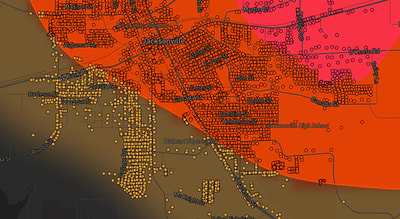
See exactly what you get.
Explore the full Springdale, AR Strike Map free – hail track, address overlay, and CSV download. No account required.
Try the Free Demo →