Wheatland, WY Hail Storm – August 2025
August 28, 2025 hail storm near Wheatland, WY. Radar-confirmed hail track and contractor lead lists available.
Max Hail
2.25"1" est.
confirmed
Zones
2
NWS alerts
Radar
18
dual-pol hits
Spotter
1
field reports
NWS WARNING AREA · Wheatland Metro · Aug 28, 2025
Intelligence Platform
StormSnipe Pro
$49/ mo
Cancel anytime · No contracts
›All 50 states
›No zone limits
›No per-event fees
Subscribe to Pro
Pro renews monthly until canceled · Cancel anytime in the billing portal
What's included
Instant delivery
Every storm published within hours of NOAA confirmation.
Interactive Strike Map
Full radar-confirmed hail track on an interactive map.
Address CSV export
Every affected residential address, export-ready.
Smart alerts
Notified when a storm hits your area. Set zones once.
Nationwide coverage
All 50 states. No zone restrictions. No geographic caps.
Live pipeline
NOAA NEXRAD processed and delivered 24/7.
Address data notice
Pro coverage in California, Vermont, and Oregon includes the confirmed hail track and Strike Map only — no address lists. State data-privacy law treats compiled address lists differently in those three states, so we exclude their addresses from extraction and delivery.
NWS WARNING AREAS · 2
This storm generated 2 NWS alert zones. Pro access covers the complete storm track and all addresses across every zone.
ZONE 1NWS CYS
Wheatland, WY
Dual-Pol Radar
Alert issued Thu, Aug 28 · 7:25 PM UTC
2.25"
confirmed
1"
est. (NWS)
ZONE 2NWS CYS
Wheatland, WY
Dual-Pol Radar
Alert issued Thu, Aug 28 · 8:12 PM UTC
2.25"
confirmed
1"
est. (NWS)
What Happened
A severe hail storm moved through Wheatland, Wyoming, on August 28, 2025, producing 1-inch hail and a spotter-verified report near US-26 and Wheatland Hwy.
The first NWS alert came at 1:25 PM MDT and carried a 1-inch hail threat with radar and spotter verification. A second alert followed at 2:12 PM MDT with the same 1-inch hail threat, this time supported by dual-polarization radar detection. The storm remained organized through the early afternoon as it crossed the Wheatland area.
At 1:30 PM MDT, a storm chaser reported hail ranging from pea size to quarter size at the intersection of US-26 and Wheatland Hwy. That report matched the storm timing closely and placed the hail core near one of Wheatland’s main travel corridors.
Damage Assessment
The field report points to a narrow but meaningful hail swath through the Wheatland road network. Hail to quarter size can leave visible marks on vehicles, especially on exposed parking lots, dealership rows, farm equipment, and light-duty fleet units parked along the US-26 corridor. The report location also puts the first verified impact close to a busy highway junction, where outdoor assets are more likely to be exposed without cover.
The radar-backed alerts show two separate confirmation points within 47 minutes. The first came with spotter input. The second came from dual-polarization radar. Together, they support a short-duration hail event with a defined core over the Wheatland metro area rather than scattered fringe hail.
For property owners, the most likely impact areas are open lots, west- and south-facing exposures, and parked vehicles near the highway approach into Wheatland. Roof damage is less likely at this size than on larger hail events, but soft metal finishes, older shingles, gutters, and skylights can still show localized impact marks. Any insured property with exposed inventory near the US-26 and Wheatland Hwy intersection should be checked first.
What Contractors Should Know
Start with the highway corridor and nearby commercial edges around Wheatland. The spotter report places verified hail at US-26 and Wheatland Hwy, so that intersection should be treated as the primary canvass zone for visual inspection, photos, and customer intake. Look for vehicle claims first. Then move to roofs, awnings, and exterior HVAC units on properties with open parking and little tree cover.
The timing matters. The storm produced confirmed hail in the early afternoon, which can create a short window between impact and first customer report. Contractors working Wheatland should check businesses, schools, and fuel stops along the main approach roads before spreading outward into surrounding residential blocks. The best early leads usually come from places where vehicles sit outside and crews can see fresh impact patterns from the street.
Storm Details
- Start Date
- Thursday, August 28, 2025
- Last Activity
- Thursday, August 28, 2025
- Location
- Wheatland, WY
- Warning Areas
- 2
- Dual-Pol Radar
- 18
- Spotter Reports
- 1
Preview Strike Map
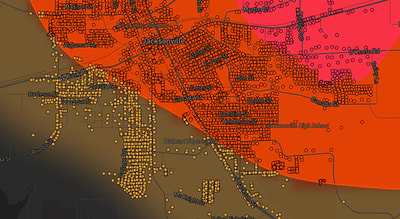
See exactly what you get.
Explore the full Springdale, AR Strike Map free – hail track, address overlay, and CSV download. No account required.
Try the Free Demo →