Walsenburg, CO Hail Storm – August 2025
August 29, 2025 hail storm near Walsenburg, CO. Radar-confirmed hail track and contractor lead lists available.
Max Hail
2"1.25" est.
confirmed
Zones
3
NWS alerts
Radar
22
dual-pol hits
Spotter
–
field reports
NWS WARNING AREA · Walsenburg Metro · Aug 29, 2025
Intelligence Platform
StormSnipe Pro
$49/ mo
Cancel anytime · No contracts
›All 50 states
›No zone limits
›No per-event fees
Subscribe to Pro
Pro renews monthly until canceled · Cancel anytime in the billing portal
What's included
Instant delivery
Every storm published within hours of NOAA confirmation.
Interactive Strike Map
Full radar-confirmed hail track on an interactive map.
Address CSV export
Every affected residential address, export-ready.
Smart alerts
Notified when a storm hits your area. Set zones once.
Nationwide coverage
All 50 states. No zone restrictions. No geographic caps.
Live pipeline
NOAA NEXRAD processed and delivered 24/7.
Address data notice
Pro coverage in California, Vermont, and Oregon includes the confirmed hail track and Strike Map only — no address lists. State data-privacy law treats compiled address lists differently in those three states, so we exclude their addresses from extraction and delivery.
NWS WARNING AREAS · 3
This storm generated 3 NWS alert zones. Pro access covers the complete storm track and all addresses across every zone.
ZONE 1NWS PUB
Walsenburg, CO
Dual-Pol Radar
Alert issued Fri, Aug 29 · 12:46 AM UTC
2"
confirmed
1"
est. (NWS)
ZONE 2NWS PUB
Walsenburg, CO
Dual-Pol Radar
Alert issued Fri, Aug 29 · 12:59 AM UTC
2"
confirmed
1"
est. (NWS)
ZONE 3NWS PUB
Model, CO
Dual-Pol Radar
Alert issued Fri, Aug 29 · 1:11 AM UTC
2"
confirmed
1.25"
est. (NWS)
Walsenburg, CO was hit by a concluded hail storm on 2025-08-29 with a peak confirmed hail size of 1.25 inches. Three NWS alerts tracked the event through early evening.
What Happened
The storm moved across the Walsenburg area in the evening, with hail alerts issued at 6:46 PM MDT, 6:59 PM MDT, and 7:11 PM MDT. The first two alerts carried a 1-inch hail call. The final alert increased to 1.25 inches.
All three alerts were backed by dual-polarization radar confidence. The sequence shows a short-lived hail signal that strengthened as the storm matured. The event later concluded.
Damage Assessment
Hail in the 1-inch to 1.25-inch range can affect soft metals, roofing components, skylights, vents, and exposed trim. In Walsenburg, that size is also consistent with bruised siding, window screen damage, and impact marks on vehicles left outside.
Roofs with older shingles or prior wear deserve closer review. Granule loss can be scattered or concentrated in narrow paths beneath the storm core. Metal roof panels, gutters, downspouts, and AC fins should also be checked. Small dents can be present even where roof leaks are not immediate.
Inspection crews should expect a mixed field. One property may show only cosmetic marks. A nearby structure can carry visible roof hits, soft metal damage, and broken exterior accessories. The difference often comes down to roof age, exposure, and the path of the strongest hail core.
Document findings by elevation, slope, and material type. Note impact on accessories such as ridge vents, turbine vents, pipe boots, and flashing. Collect photos before cleanup. Record direction of travel if dents or bruising appear concentrated on one side of the structure.
What Contractors Should Know
For hail near 1 inch, start with the roof. Look for bruising on asphalt shingles, displaced granules, soft strikes on metal surfaces, and damage around edges, ridges, and penetrations. Use consistent spacing on the inspection grid so light impact areas do not get missed. Check the full envelope, not just the steep slopes. Siding, gutters, window screens, garage doors, and exterior trim can carry the clearer damage pattern when roof markings are subtle.
In multi-zone events like this one, field conditions can shift block by block. A property on the outer edge of the warning area may show little more than minor dings, while a location closer to the main core can show stronger impact and more complete exterior loss. Match inspection notes to the specific address, roof material, and exposure. Keep measurements precise. Use the peak hail size, the alert times, and visible component damage to build a clean claim file or repair estimate.
For precise hail track data, review the paid Strike Map.
Storm Details
- Start Date
- Thursday, August 28, 2025
- Last Activity
- Thursday, August 28, 2025
- Location
- Walsenburg, CO
- Warning Areas
- 3
- Dual-Pol Radar
- 22
- Spotter Reports
- --
Preview Strike Map
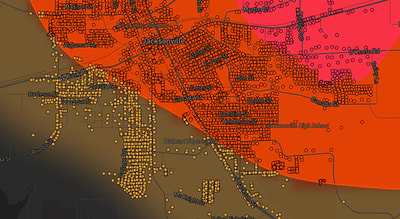
See exactly what you get.
Explore the full Springdale, AR Strike Map free – hail track, address overlay, and CSV download. No account required.
Try the Free Demo →