Atwood, KS Hail Warning – August 2025
August 30, 2025 severe thunderstorm warning near Atwood, KS. NWS warning area data available.
Max Hail
1"NWS Est.
Zones
1
NWS alerts
Radar
–
dual-pol hits
Spotter
–
field reports
NWS WARNING AREA · Atwood Metro · Aug 30, 2025
Intelligence Platform
StormSnipe Pro
$49/ mo
Cancel anytime · No contracts
›All 50 states
›No zone limits
›No per-event fees
Subscribe to Pro
Billed monthly · Cancel anytime
What's included
Instant delivery
Every storm published within hours of NOAA confirmation.
Interactive Strike Map
Full radar-confirmed hail track on an interactive map.
Address CSV export
Every affected residential address, export-ready.
Smart alerts
Notified when a storm hits your area. Set zones once.
Nationwide coverage
All 50 states. No zone restrictions. No geographic caps.
Live pipeline
NOAA NEXRAD processed and delivered 24/7.
NWS WARNING AREA
NWS GLD
Atwood, KS
NWS Warning
Alert issued Sat, Aug 30 · 11:58 PM UTC
1"
est. (NWS)
What Happened
Atwood, KS was under an NWS hail warning on August 30, 2025, with 1-inch hail listed for the evening storm. The alert was issued at 6:58 PM CDT and covered the local warning area as the storm moved through northwest Kansas.
The event was concluded by the end of the evening. No radar or spotter confirmation of hail is included with this storm record, so the page reflects the NWS warning only. The alert language pointed to a hail threat near 1 inch, which places the storm in a range that can affect vehicles, siding, roof edges, and exposed outdoor equipment.
Damage Assessment
A 1-inch hail warning is enough to produce scattered property impacts in a small-town setting like Atwood. Cars parked outside can take dents. Soft metals, vinyl trim, window screens, and roof accessories can show impact marks if the heaviest stones overlap the same roof field or fall with enough frequency.
Roof damage, if present, is more likely on older shingles, thin slope transitions, and surfaces already worn by heat and wind. Fresh losses may be limited to granule scuffing or isolated shingle bruising. Sheds, barns, RV covers, greenhouses, and patio furniture are also common check points after a warning of this size.
The warning area should be treated as a review zone for exterior inspections. Hail listed at 1 inch does not point to the same impact pattern everywhere in the polygon. Some blocks may see only light stone fall, while others closer to the storm core can take a heavier hit.
What Contractors Should Know
Contractors working Atwood should start with the most exposed roof planes, soft metals, and vehicle storage areas. Look for shingle bruising, loss of granules along ridge and hip edges, cracked plastic vents, bent aluminum trim, torn screens, and denting on gutters or downspouts. On homes with older asphalt roofs, field checks should include the slopes facing the storm approach path and any accessories that sit above the roofline.
Crews should also document detached structures and light commercial property in the same pass. Metal awnings, agricultural equipment, AC condenser fins, mailboxes, and fence caps often show the clearest signs of impact after a 1-inch hail warning. In a town the size of Atwood, parking lots, shop roofs, and storage yards can hold the quickest visual evidence because those surfaces are open and easy to inspect.
Use the warning time and location to narrow canvass zones, then verify each address from the ground before moving to a roof. A single warning can cover more than one neighborhood edge, and tree cover, roof pitch, and building age can change what is visible at street level. Keep notes tied to the local time of the alert, the property type, and any exterior damage points that line up with the storm path.
For more precise hail track data, see the Strike Map.
Storm Details
- Start Date
- Saturday, August 30, 2025
- Last Activity
- Saturday, August 30, 2025
- Location
- Atwood, KS
- Warning Areas
- 1
- Dual-Pol Radar
- --
- Spotter Reports
- --
Preview Strike Map
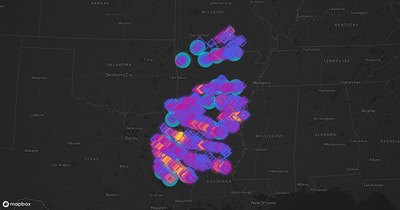
See exactly what you get.
Explore the full Springdale, AR Strike Map free – hail track, address overlay, and CSV download. No account required.
Try the Free Demo →