Minneola, KS Hail Storm – September 2025
September 1, 2025 hail storm near Minneola, KS. Radar-confirmed hail track and contractor lead lists available.
Max Hail
4"1.75" est.
confirmed
Zones
17
NWS alerts
Radar
367
dual-pol hits
Spotter
9
field reports
NWS WARNING AREA · Minneola Metro · Sep 1, 2025
Intelligence Platform
StormSnipe Pro
$49/ mo
Cancel anytime · No contracts
›All 50 states
›No zone limits
›No per-event fees
Subscribe to Pro
Pro renews monthly until canceled · Cancel anytime in the billing portal
What's included
Instant delivery
Every storm published within hours of NOAA confirmation.
Interactive Strike Map
Full radar-confirmed hail track on an interactive map.
Address CSV export
Every affected residential address, export-ready.
Smart alerts
Notified when a storm hits your area. Set zones once.
Nationwide coverage
All 50 states. No zone restrictions. No geographic caps.
Live pipeline
NOAA NEXRAD processed and delivered 24/7.
Address data notice
Pro coverage in California, Vermont, and Oregon includes the confirmed hail track and Strike Map only — no address lists. State data-privacy law treats compiled address lists differently in those three states, so we exclude their addresses from extraction and delivery.
NWS WARNING AREAS · 17
This storm generated 17 NWS alert zones. Pro access covers the complete storm track and all addresses across every zone.
ZONE 1NWS DDC
Minneola, KS
Dual-Pol Radar
45 addresses in warning area
Alert issued Mon, Sep 1 · 7:25 PM UTC
3.25"
confirmed
1.5"
est. (NWS)
ZONE 2NWS DDC
Ashland, KS
Dual-Pol Radar
70 addresses in warning area
Alert issued Mon, Sep 1 · 8:06 PM UTC
2.75"
confirmed
1.25"
est. (NWS)
ZONE 3NWS OUN
Buffalo, OK
Dual-Pol Radar
93 addresses in warning area
Alert issued Mon, Sep 1 · 8:41 PM UTC
2"
confirmed
1.5"
est. (NWS)
ZONE 4NWS DDC
Wilmore, KS
Dual-Pol Radar
122 addresses in warning area
Alert issued Mon, Sep 1 · 8:44 PM UTC
3.25"
confirmed
1.25"
est. (NWS)
ZONE 5NWS OUN
Laverne, OK
Dual-Pol Radar
12 addresses in warning area
Alert issued Mon, Sep 1 · 8:47 PM UTC
2"
confirmed
1.5"
est. (NWS)
ZONE 6NWS ICT
Kingman, KS
Dual-Pol Radar
2,447 addresses in warning area
Alert issued Mon, Sep 1 · 10:03 PM UTC
4"
confirmed
1.75"
est. (NWS)
ZONE 7NWS ICT
Clearwater, KS
Dual-Pol Radar
33,152 addresses in warning area
Alert issued Mon, Sep 1 · 10:24 PM UTC
1.5"
confirmed
1"
est. (NWS)
ZONE 8NWS OUN
Woodward, OK
Dual-Pol Radar
36 addresses in warning area
Alert issued Mon, Sep 1 · 10:28 PM UTC
1.75"
confirmed
1"
est. (NWS)
ZONE 9NWS ICT
Anthony, KS
Dual-Pol Radar
Alert issued Mon, Sep 1 · 10:51 PM UTC
3.75"
confirmed
1.75"
est. (NWS)
ZONE 10NWS OUN
Camargo, OK
Dual-Pol Radar
400 addresses in warning area
Alert issued Mon, Sep 1 · 11:00 PM UTC
1.75"
confirmed
1.5"
est. (NWS)
ZONE 11NWS OUN
Butler, OK
NWS Warning
Alert issued Mon, Sep 1 · 11:36 PM UTC
1"
est. (NWS)
ZONE 12NWS OUN
Cheyenne, OK
NWS Warning
Alert issued Mon, Sep 1 · 11:37 PM UTC
1"
est. (NWS)
ZONE 13NWS OUN
Jet, OK
NWS Warning
Alert issued Mon, Sep 1 · 11:38 PM UTC
1.5"
est. (NWS)
ZONE 14NWS ICT
Anthony, KS
Dual-Pol Radar
Alert issued Mon, Sep 1 · 11:44 PM UTC
1.25"
confirmed
1"
est. (NWS)
ZONE 15NWS ICT
South Haven, KS
Dual-Pol Radar
8 addresses in warning area
Alert issued Mon, Sep 1 · 11:54 PM UTC
2.5"
confirmed
1.25"
est. (NWS)
ZONE 16NWS OUN
Braman, OK
Dual-Pol Radar
44 addresses in warning area
Alert issued Mon, Sep 1 · 11:59 PM UTC
0.5"
confirmed
1"
est. (NWS)
ZONE 17NWS OUN
Fairview, OK
Dual-Pol Radar
2,224 addresses in warning area
Alert issued Tue, Sep 2 · 2:55 AM UTC
2"
confirmed
1"
est. (NWS)
Minneola, KS saw a concluded hail storm on 2025-09-01 with a maximum confirmed hail size of 1.5 inches. The event produced three hail alerts across the afternoon.
What Happened
The storm developed through the afternoon over the Minneola, KS area and produced repeated hail signatures through late afternoon. The first alert came at 2:25 PM CDT, with 1.5-inch hail verified by radar and spotter reports.
Two later alerts followed as the storm continued along its path. At 3:06 PM CDT, dual-polarization radar indicated 1.25-inch hail. Another 1.25-inch hail alert followed at 3:44 PM CDT, also tied to dual-polarization radar detection.
The alert sequence shows a storm with sustained hail production rather than a single isolated burst. Confidence was highest on the first alert, which combined radar and spotter verification. The later alerts held to the 1.25-inch range as the storm moved through the warning area.
Damage Assessment
Hail in the 1.25-inch to 1.5-inch range can damage roof shingles, dent gutters, mark siding, and crack soft exterior materials. Vehicles parked in the open can also show impact dents and broken trim. Window screens and outdoor equipment often take the first visible hit.
For roofs, the most common field checks are on south- and west-facing slopes, ridge caps, flashing, vents, and any older asphalt surfaces already showing wear. On homes with metal accessories, inspect downspouts, chimney caps, and roof penetrations for dents and seal loss. Granule loss on shingles can be present even when damage is not obvious from the street.
Siding, fences, and yard structures should be checked for impact marks along exposed faces. Lightweight aluminum trim, soft vinyl panels, and painted wood surfaces can show the storm path clearly. If the property sits near trees or open ground, also check for broken limbs and debris strikes that may hide hail impact.
Commercial sites in the Minneola area should review HVAC units, roof drains, skylights, and membrane seams. Flat roofs often hold water and debris after hail, which can expose punctures or membrane stress that are not visible during a brief walkthrough. Inventory stored outdoors should be inspected for impact damage before it is moved or covered.
What Contractors Should Know
This storm produced three separate hail alerts in one afternoon, with the strongest verified at 2:25 PM CDT. Field crews should treat the event as a multi-pass hail episode and not as a single impact zone. That matters for route planning, especially when multiple roofs or structures in the same part of Minneola need separate visits.
Start with properties showing the most direct exposure to the storm path, then move to adjacent neighborhoods and outlying structures. Document roof slopes, accessory metals, soft metals, and any visible granule loss before cleanup begins. On residential claims, attic checks and interior stain review should follow exterior findings when hail-related roof impact is suspected.
Storm Details
- Start Date
- Monday, September 1, 2025
- Last Activity
- Monday, September 1, 2025
- Location
- Minneola, KS
- Warning Areas
- 17
- Dual-Pol Radar
- 367
- Spotter Reports
- 9
Preview Strike Map
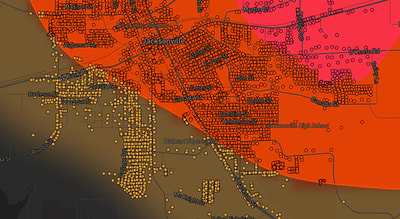
See exactly what you get.
Explore the full Springdale, AR Strike Map free – hail track, address overlay, and CSV download. No account required.
Try the Free Demo →