Cimarron, NM Hail Storm – September 2025
September 2, 2025 hail storm near Cimarron, NM. Radar-confirmed hail track and contractor lead lists available.
Max Hail
2.5"1.5" est.
confirmed
Zones
2
NWS alerts
Radar
60
dual-pol hits
Spotter
–
field reports
NWS WARNING AREA · Cimarron Metro · Sep 2, 2025
Intelligence Platform
StormSnipe Pro
$49/ mo
Cancel anytime · No contracts
›All 50 states
›No zone limits
›No per-event fees
Subscribe to Pro
Pro renews monthly until canceled · Cancel anytime in the billing portal
What's included
Instant delivery
Every storm published within hours of NOAA confirmation.
Interactive Strike Map
Full radar-confirmed hail track on an interactive map.
Address CSV export
Every affected residential address, export-ready.
Smart alerts
Notified when a storm hits your area. Set zones once.
Nationwide coverage
All 50 states. No zone restrictions. No geographic caps.
Live pipeline
NOAA NEXRAD processed and delivered 24/7.
Address data notice
Pro coverage in California, Vermont, and Oregon includes the confirmed hail track and Strike Map only — no address lists. State data-privacy law treats compiled address lists differently in those three states, so we exclude their addresses from extraction and delivery.
NWS WARNING AREAS · 2
This storm generated 2 NWS alert zones. Pro access covers the complete storm track and all addresses across every zone.
ZONE 1NWS ABQ
Cimarron, NM
Dual-Pol Radar
13 addresses in warning area
Alert issued Tue, Sep 2 · 8:44 PM UTC
2.5"
confirmed
1.5"
est. (NWS)
ZONE 2NWS ABQ
Ute Park, NM
Dual-Pol Radar
300 addresses in warning area
Alert issued Tue, Sep 2 · 9:26 PM UTC
2.5"
confirmed
1.25"
est. (NWS)
Cimarron, NM saw a concluded hail storm on 2025-09-02 with a peak confirmed hail size of 1.5 inches. Two NWS alerts tracked the event through the afternoon.
What Happened
The storm developed over the Cimarron area on Tuesday afternoon and produced a verified hail core during the mid to late afternoon window. The first NWS alert came at 2:44 PM MDT with 1.5-inch hail confidence from dual-polarization radar. A second alert followed at 3:26 PM MDT with 1.25-inch hail confidence from the same radar source.
The alert sequence shows a storm that remained hail-capable across more than 40 minutes. Radar-derived confidence held in the large hail range through the event. The storm is now concluded.
Damage Assessment
Hail in the 1.25-inch to 1.5-inch range can damage roofs, vents, skylights, gutters, and soft metal finishes. Shingle impact marks are common in this range, along with denting on vehicles, window trim, and exposed exterior equipment.
On newer roofing, the visible loss may be limited to bruising, granule displacement, and scattered broken seals. On older roofs, repeat strikes across the same slope can create more obvious wear patterns and larger inspection areas. Metal surfaces and HVAC lids often show the clearest impact signatures after a storm like this.
This event fits a hail profile that warrants roof, siding, and exterior-metal inspection across the storm path in Cimarron. Localized impacts can vary block by block, especially near the stronger radar cores tied to the afternoon alerts.
What Contractors Should Know
Crews should start with steep-slope roofing and then work down to accessory damage. Focus on impact marks in the field of shingles, soft metals, ridge caps, and roof penetrations. Check downspouts, window screens, fence caps, patio covers, and painted trim for fresh dents and chipped coatings. Photograph slope direction, impact density, and any side-specific wear before cleanup begins.
Pay close attention to asphalt shingles with prior weathering. In the 1.25-inch to 1.5-inch range, hail often leaves scattered bruising that is easy to miss without a close walk. On metal roofs and standing-seam systems, look for cosmetic denting, seam disturbance, and fastener-area impact. On vehicles and siding, the damage pattern can help separate isolated strikes from broader exposure.
For estimating, segment the work by roof plane and exterior surface type. The storm covered more than one alert cycle, so inspection routes should not stop at the first visible hit area. Document the earliest and latest field indicators, then compare them against the storm timing to support the claim file and the repair scope.
Use the Strike Map for precise hail track data across Cimarron and the surrounding warning area.
Storm Details
- Start Date
- Tuesday, September 2, 2025
- Last Activity
- Tuesday, September 2, 2025
- Location
- Cimarron, NM
- Warning Areas
- 2
- Dual-Pol Radar
- 60
- Spotter Reports
- --
Preview Strike Map
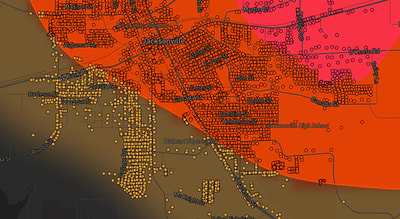
See exactly what you get.
Explore the full Springdale, AR Strike Map free – hail track, address overlay, and CSV download. No account required.
Try the Free Demo →