Wagon Mound, NM Hail Storm – September 2025
September 7, 2025 hail storm near Wagon Mound, NM. Radar-confirmed hail track and contractor lead lists available.
Max Hail
2"1.5" est.
confirmed
Zones
3
NWS alerts
Radar
83
dual-pol hits
Spotter
1
field reports
NWS WARNING AREA · Wagon Mound Metro · Sep 7, 2025
Intelligence Platform
StormSnipe Pro
$49/ mo
Cancel anytime · No contracts
›All 50 states
›No zone limits
›No per-event fees
Subscribe to Pro
Pro renews monthly until canceled · Cancel anytime in the billing portal
What's included
Instant delivery
Every storm published within hours of NOAA confirmation.
Interactive Strike Map
Full radar-confirmed hail track on an interactive map.
Address CSV export
Every affected residential address, export-ready.
Smart alerts
Notified when a storm hits your area. Set zones once.
Nationwide coverage
All 50 states. No zone restrictions. No geographic caps.
Live pipeline
NOAA NEXRAD processed and delivered 24/7.
Address data notice
Pro coverage in California, Vermont, and Oregon includes the confirmed hail track and Strike Map only — no address lists. State data-privacy law treats compiled address lists differently in those three states, so we exclude their addresses from extraction and delivery.
NWS WARNING AREAS · 3
This storm generated 3 NWS alert zones. Pro access covers the complete storm track and all addresses across every zone.
ZONE 1NWS ABQ
Wagon Mound, NM
Dual-Pol Radar
2 addresses in warning area
Alert issued Sun, Sep 7 · 9:20 PM UTC
2"
confirmed
1.5"
est. (NWS)
ZONE 2NWS ABQ
Ocate, NM
Dual-Pol Radar
67 addresses in warning area
Alert issued Sun, Sep 7 · 10:38 PM UTC
2"
confirmed
1.5"
est. (NWS)
ZONE 3NWS ABQ
Watrous, NM
Dual-Pol Radar
2 addresses in warning area
Alert issued Sun, Sep 7 · 11:15 PM UTC
2"
confirmed
1"
est. (NWS)
Wagon Mound, NM saw a concluded hail storm on 2025-09-07 with a maximum confirmed hail size of 1.5 inches. The event produced multiple hail cores across the warning area through the afternoon and early evening.
What Happened
The first hail signal came at 3:20 PM MDT, when dual-polarization radar showed 1.5-inch hail potential over the Wagon Mound area. A second alert followed at 4:38 PM MDT with 1.5-inch hail noted in radar and spotter-verified confidence. A later alert at 5:15 PM MDT showed 1-inch hail as the storm continued into early evening.
The alert sequence points to a hail-producing storm that maintained severe characteristics for several hours. The strongest hail size was confirmed early, then repeated in the later alert cycle with spotter support. The final alert showed a smaller hail size, which is consistent with weakening hail cores as the storm shifted east and lost intensity.
Damage Assessment
Hail up to 1.5 inches is large enough to break windows, dent vehicle panels, and leave visible impact marks on softer roofing materials. It can also bruise crops, damage siding, and strike exposed equipment in open lots and along roadways.
The 1-inch hail reported later in the event still falls in a range that can affect shingles, gutters, skylights, and vehicle glass. Mixed hail sizes across a single storm often create uneven damage from block to block, especially where the strongest core passed first and lighter hail followed on the storm edge.
For contractors, the first pass should focus on roofs, downspouts, vents, and window screens in the storm path. Inspect slopes facing the incoming hail direction first. Look for granule loss, fractured tabs, soft metal dents, and cracked trim pieces. Check for collateral damage on fences, sheds, outbuildings, and HVAC equipment where the hail field was most concentrated.
Interior checks matter as well. After larger hail, leaks often show up first around skylights, ridge caps, pipe boots, and penetrations near the roof edge. Water intrusion can lag the storm by hours or days. Crews should document exterior impacts before cleanup and capture date-stamped photos of denting, shingle abrasion, and broken glazing.
For estimating, separate areas hit by the 1.5-inch core from sections that saw 1-inch hail later in the event. The strongest impacts may not cover the full warning area. Concentrated cores can create narrow repair zones while nearby properties see only cosmetic loss. That distinction should guide canvassing, inspection routes, and scope notes.
The best field results come from moving fast on accessible properties, checking high-value exposures first, and keeping notes tied to street-level conditions. Use the hail size sequence, the alert times, and the local roof conditions to sort likely claim density before full-site inspections begin.
Storm Details
- Start Date
- Sunday, September 7, 2025
- Last Activity
- Sunday, September 7, 2025
- Location
- Wagon Mound, NM
- Warning Areas
- 3
- Dual-Pol Radar
- 83
- Spotter Reports
- 1
Preview Strike Map
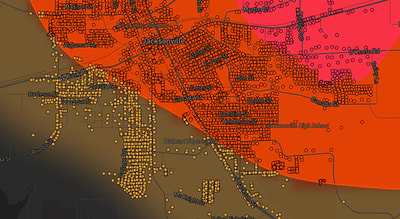
See exactly what you get.
Explore the full Springdale, AR Strike Map free – hail track, address overlay, and CSV download. No account required.
Try the Free Demo →