Lamar, CO Hail Storm – September 2025
September 7, 2025 hail storm near Lamar, CO. Radar-confirmed hail track and contractor lead lists available.
Max Hail
4"2.5" est.
confirmed
Zones
6
NWS alerts
Radar
134
dual-pol hits
Spotter
–
field reports
NWS WARNING AREA · Lamar Metro · Sep 7, 2025
Intelligence Platform
StormSnipe Pro
$49/ mo
Cancel anytime · No contracts
›All 50 states
›No zone limits
›No per-event fees
Subscribe to Pro
Pro renews monthly until canceled · Cancel anytime in the billing portal
What's included
Instant delivery
Every storm published within hours of NOAA confirmation.
Interactive Strike Map
Full radar-confirmed hail track on an interactive map.
Address CSV export
Every affected residential address, export-ready.
Smart alerts
Notified when a storm hits your area. Set zones once.
Nationwide coverage
All 50 states. No zone restrictions. No geographic caps.
Live pipeline
NOAA NEXRAD processed and delivered 24/7.
Address data notice
Pro coverage in California, Vermont, and Oregon includes the confirmed hail track and Strike Map only — no address lists. State data-privacy law treats compiled address lists differently in those three states, so we exclude their addresses from extraction and delivery.
NWS WARNING AREAS · 6
This storm generated 6 NWS alert zones. Pro access covers the complete storm track and all addresses across every zone.
ZONE 1NWS PUB
Lamar, CO
Dual-Pol Radar
Alert issued Sun, Sep 7 · 10:31 PM UTC
4"
confirmed
2.5"
est. (NWS)
ZONE 2NWS PUB
Lamar, CO
Dual-Pol Radar
Alert issued Sun, Sep 7 · 11:12 PM UTC
4"
confirmed
2.5"
est. (NWS)
ZONE 3NWS PUB
Springfield, CO
Dual-Pol Radar
Alert issued Sun, Sep 7 · 11:46 PM UTC
3.25"
confirmed
2"
est. (NWS)
ZONE 4NWS PUB
Pritchett, CO
NWS Warning
Alert issued Sun, Sep 7 · 11:57 PM UTC
1"
est. (NWS)
ZONE 5NWS PUB
Springfield, CO
Dual-Pol Radar
Alert issued Mon, Sep 8 · 12:22 AM UTC
3.25"
confirmed
1.75"
est. (NWS)
ZONE 6NWS PUB
Pritchett, CO
Dual-Pol Radar
Alert issued Mon, Sep 8 · 12:24 AM UTC
2.25"
confirmed
1"
est. (NWS)
Lamar, Colorado, saw a concluded hail storm on September 7, 2025, with confirmed hail up to 2.5 inches. The event moved through the metro through late afternoon and early evening.
What Happened
The first hail alert came at 4:31 PM MDT, when dual-polarization radar indicated 2.5-inch hail. A second 2.5-inch alert followed at 5:12 PM MDT. Hail estimates then eased to 2 inches at 5:46 PM MDT.
A warning-only alert came at 5:57 PM MDT with 1-inch hail. Radar-based hail detection returned at 6:22 PM MDT with 1.75-inch hail, then 1-inch hail at 6:24 PM MDT. In total, six alerts were tied to this storm over a span of less than two hours.
The alert sequence shows a period of intense hail production, then a gradual reduction in hail size later in the evening. The storm has concluded.
Damage Assessment
Hail up to 2.5 inches is large enough to cause concentrated impact damage to roofs, gutters, skylights, and soft metals across exposed properties in Lamar. Vehicles parked outdoors during the core of the storm were also at risk for visible body damage and broken glass.
The range from 1 inch to 2.5 inches matters for field review. The larger stones are consistent with the most severe roof and siding strikes, while the later 1-inch and 1.75-inch alerts indicate continued hail exposure after the peak phase. Crews should expect damage to vary by roof age, slope, and construction type, even within the same storm path.
Commercial properties with flat roofs, HVAC units, and rooftop accessories may need closer review. South-facing slopes, parapet edges, and low spots around drains can show the first visible signs of impact and follow-on water intrusion.
What Contractors Should Know
This event deserves a focused canvass in the Lamar metro. Start with the structures most exposed during the late-afternoon hail core, then work outward to areas that stayed under the storm path during the 5:12 PM MDT to 6:24 PM MDT alert window. Watch for bruised shingles, granular loss, dented vents, cracked polymer components, and membrane punctures on flat roofs.
Use the hail range to sort roofs by likely claim density. Properties hit by 2.5-inch hail should move ahead of sites that likely saw only 1-inch to 1.75-inch hail. Field teams should document impact marks, soft-metal hits, and collateral damage on downspouts, window trim, condensers, and fence tops before weathering or cleanup reduces visibility.
Adjust inspection routes for mixed construction. Older asphalt roofs may show heavy granule loss and shingle fracture. Newer impact-resistant products may still show collateral damage on attachments and surrounding exterior surfaces. New vehicle lots, municipal buildings, retail centers, and agricultural outbuildings all warrant separate review because exposure and roof design differ across the same storm corridor.
Storm Details
- Start Date
- Sunday, September 7, 2025
- Last Activity
- Sunday, September 7, 2025
- Location
- Lamar, CO
- Warning Areas
- 6
- Dual-Pol Radar
- 134
- Spotter Reports
- --
Preview Strike Map
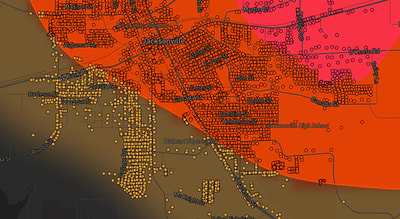
See exactly what you get.
Explore the full Springdale, AR Strike Map free – hail track, address overlay, and CSV download. No account required.
Try the Free Demo →