Sierra Blanca, TX Hail Storm – September 2025
September 15, 2025 hail storm near Sierra Blanca, TX. Radar-confirmed hail track and contractor lead lists available.
Max Hail
2.25"1" est.
confirmed
Zones
1
NWS alerts
Radar
7
dual-pol hits
Spotter
–
field reports
NWS WARNING AREA · Sierra Blanca Metro · Sep 15, 2025
Intelligence Platform
StormSnipe Pro
$49/ mo
Cancel anytime · No contracts
›All 50 states
›No zone limits
›No per-event fees
Subscribe to Pro
Pro renews monthly until canceled · Cancel anytime in the billing portal
What's included
Instant delivery
Every storm published within hours of NOAA confirmation.
Interactive Strike Map
Full radar-confirmed hail track on an interactive map.
Address CSV export
Every affected residential address, export-ready.
Smart alerts
Notified when a storm hits your area. Set zones once.
Nationwide coverage
All 50 states. No zone restrictions. No geographic caps.
Live pipeline
NOAA NEXRAD processed and delivered 24/7.
Address data notice
Pro coverage in California, Vermont, and Oregon includes the confirmed hail track and Strike Map only — no address lists. State data-privacy law treats compiled address lists differently in those three states, so we exclude their addresses from extraction and delivery.
NWS WARNING AREA
NWS EPZ
Sierra Blanca, TX
Dual-Pol Radar
2 addresses in warning area
Alert issued Mon, Sep 15 · 8:34 PM UTC
2.25"
confirmed
1"
est. (NWS)
Sierra Blanca, TX saw a concluded hail storm on September 15, 2025. The peak confirmed hail size was 1 inch.
What Happened
The storm affected Sierra Blanca during the afternoon, with the key NWS alert issued at 3:34 PM CDT. That alert called for 1-inch hail and carried dual-polarization radar confidence from NEXRAD hail detection.
This was a single-zone event tied to one warning area. No additional hail alerts were included in the storm record. The storm is now concluded.
The timing points to a short-lived hail threat centered on the mid-afternoon period. The hail size remained at the 1-inch threshold, which is large enough to produce property claims in exposed areas, but below the larger sizes often tied to wider structural impacts.
Damage Assessment
At 1 inch, hail can dent soft metals, bruise shingles, and mark vehicle surfaces. The most common field signs include granule loss on asphalt roofs, light impact points on vents, downspouts, gutters, and trim, and scattered vehicle dents on unprotected panels.
In a town like Sierra Blanca, the exposure pattern matters. Roofs, cars, and exterior equipment in the warning area can show very different outcomes depending on roof age, slope, parking access, and how long the hail core remained overhead. A brief burst can still leave a narrow but documentable strip of impacts.
Contractors should expect claims tied to cosmetic loss and localized roof impacts first. When hail stays at 1 inch, inspection notes should focus on shingle condition, metal accessory damage, siding hits on windward faces, and any concentrated debris or denting around one travel path through town.
The report supports a targeted field check rather than a broad damage assumption across every structure in the warning area. Roof slopes with direct exposure, vehicles parked outdoors, and outbuildings with thin metal skin are the first places to verify.
What Contractors Should Know
Crews working Sierra Blanca should start with roof edges, roof penetrations, ridge caps, gutters, vents, and soft metal trim. At 1 inch, visible roof loss may be limited, so close inspection matters. Photograph each elevation before and after touchpoints are documented. Note impact marks on condensers, awnings, downspouts, garage doors, and exterior utility boxes.
Vehicle claims may be more common than full roof replacement indicators in a hail size range like this. Check hoods, deck lids, mirrors, and horizontal surfaces first. If the storm track crossed only part of town, match field findings to the timing of the alert and the specific addresses showing the most exposed path.
Use consistent wording in reports. Record the confirmed hail size, the local time of the alert, and the exact exterior materials affected. Keep comments tied to what is visible on site. Avoid broad language that assigns uniform damage across the entire warning area.
Storm Details
- Start Date
- Monday, September 15, 2025
- Last Activity
- Monday, September 15, 2025
- Location
- Sierra Blanca, TX
- Warning Areas
- 1
- Dual-Pol Radar
- 7
- Spotter Reports
- --
Preview Strike Map
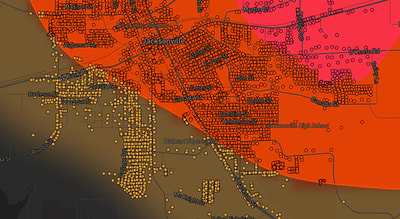
See exactly what you get.
Explore the full Springdale, AR Strike Map free – hail track, address overlay, and CSV download. No account required.
Try the Free Demo →